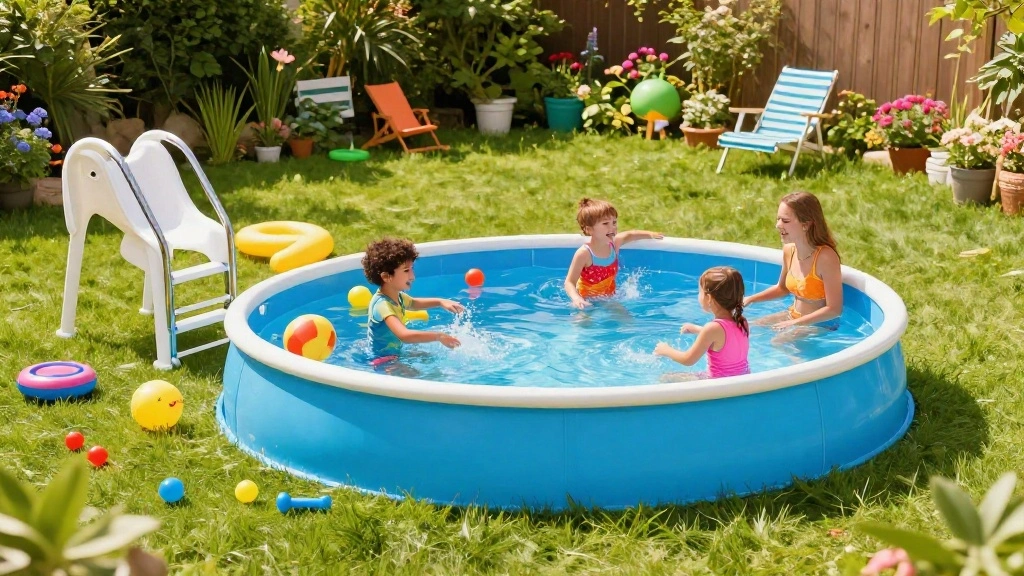
As summer rolls in, the allure of splashing around in the pool is hard to resist. But with kids around, it’s essential to ensure their safety while they enjoy those refreshing dips. I created this post because I know firsthand how overwhelming it can be to juggle fun and safety at the same time. With so many pool accessories available, it can be tough to figure out how to keep your little ones safe without spoiling the fun.
If you’re a parent or caregiver who wants to enjoy peace of mind while your kids play by the water, this guide is for you. You care deeply about your children’s safety, and you want to create a worry-free environment as they discover the joys of swimming. In this article, you’ll learn seven crucial pool ladder safety tips tailored specifically for kids, ensuring that they can dive into summer adventures safely.
From supervising poolside activities to selecting the best pool skimmer and accessories, you’ll get practical tips that are easy to implement. Each suggestion is designed to help you maintain a safe swimming area while allowing your kids to make the most of their pool experience. Let’s jump into these essential safety tips to keep everyone happy and safe this summer!
Key Takeaways
– Always supervise your kids around the pool to prevent accidents and ensure they feel secure in the water.
– Installing a safety fence around the pool can significantly reduce the risk of unsupervised access.
– Use pool accessories wisely, choosing items that enhance safety like non-slip ladder mats or pool floats.
– Teach your kids essential water safety rules to make them aware of potential dangers and encourage cautious behavior.
– Regularly check pool equipment, such as ladders and skimmers, to ensure they are in good condition and safe to use.
1. Always Supervise
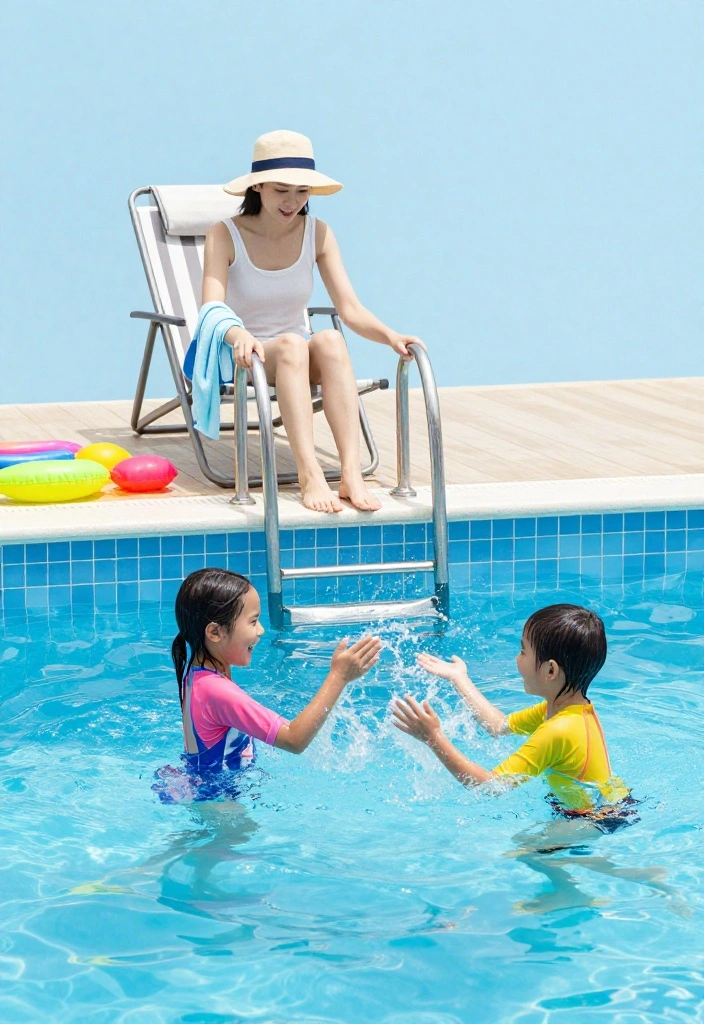
Never let kids out of your sight near the pool. This is the most vital tip for ensuring safety around water. Even when children are just playing on the ladder, accidents can happen in an instant. Having an adult present is essential, especially for younger kids who may not fully understand the dangers of water. Designate a responsible adult as the ‘water watcher’ to focus solely on the children in and around the pool.
Encourage older kids to help watch over their younger siblings, fostering a sense of responsibility. It’s crucial to minimize distractions and stay engaged while your kids are swimming or near the pool.
Essential tips for effective supervision:
– Establish a rule for the number of adults needed for supervision.
– Use a floating safety device if you need to step away briefly.
– Keep a phone nearby for emergencies, ensuring it’s out of kids’ reach.
Being attentive allows you to respond quickly if something goes wrong. Enrolling kids in swim lessons can also boost their confidence and safety awareness.
Always supervise: designate a dedicated ‘water watcher’ and keep distractions away. Your attentive presence turns moments into safety, especially for younger kids near pool ladders. Pair supervision with practical tools like the best pool skimmer to keep debris and hazards at bay.
2. Install a Safety Fence
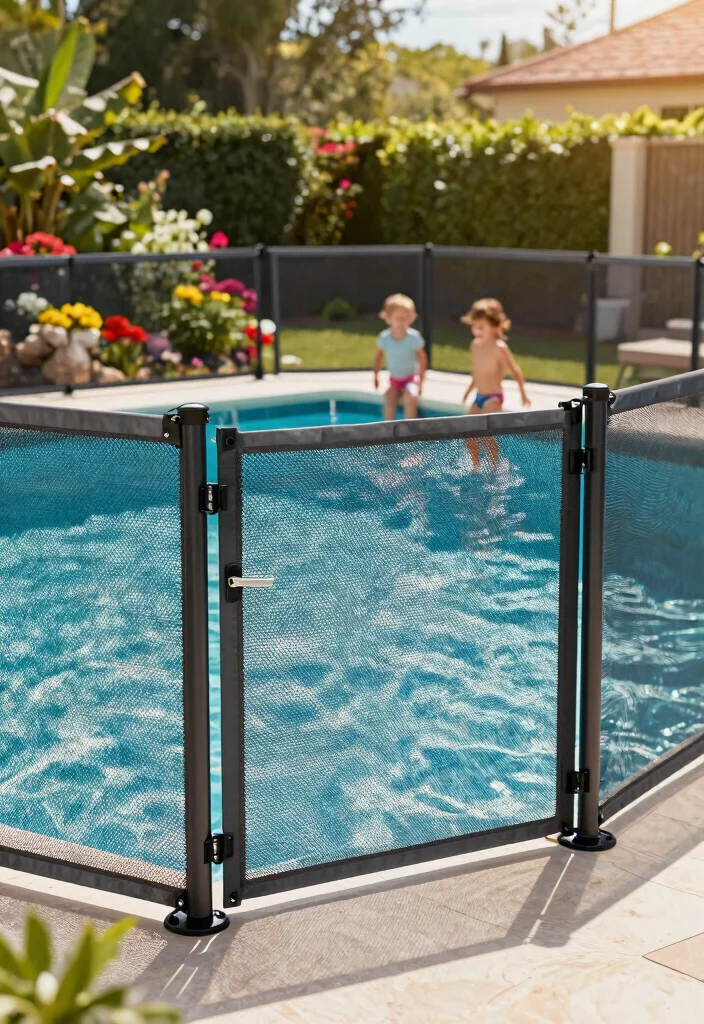
A safety fence can significantly enhance pool safety. By putting up a fence around your pool area, you create a barrier that prevents children from accessing the water when unsupervised. Choose fences that are at least four feet tall and feature self-locking gates that little hands can’t reach.
Make sure to place the fence at least three feet away from the pool’s edge to discourage climbing. If your pool has a slide or diving board, enclose those areas as well for added safety.
Keep these tips in mind for your safety fence:
– Select durable materials like aluminum or vinyl.
– Ensure gates latch securely and are childproof.
– Regularly check for wear and tear on the fence and gate.
A properly installed fence gives you peace of mind, knowing you’ve taken extra precautions to protect your kids from pool-related accidents.
3. Use Pool Accessories Wisely
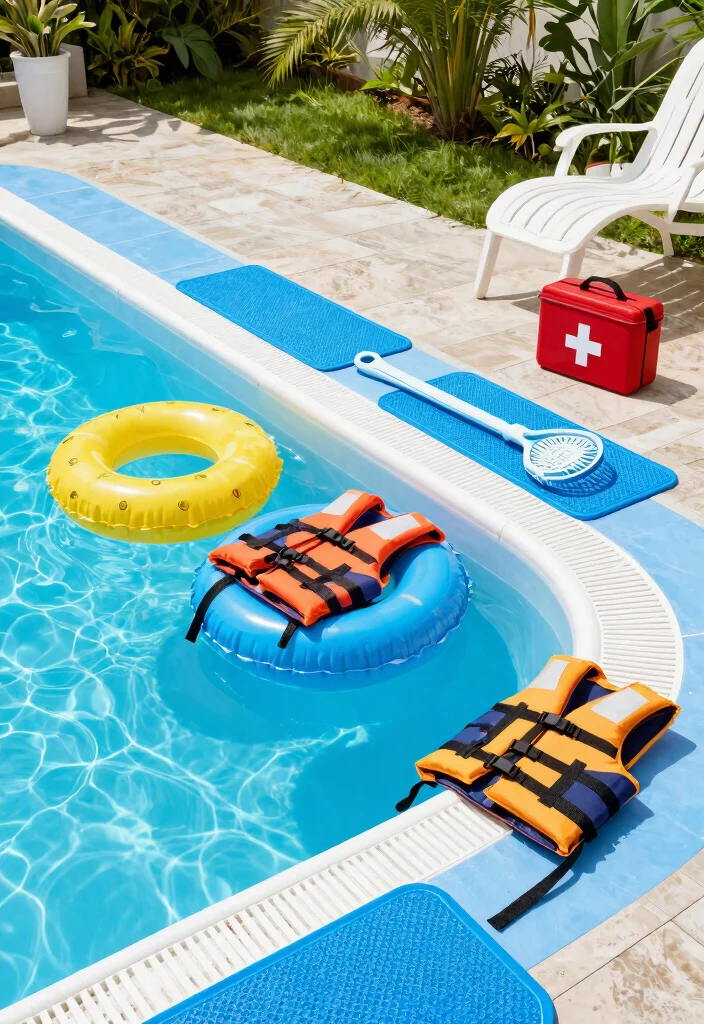
The right accessories can boost safety significantly. Equip your pool with safety floats, life jackets, and a dependable skimmer. A good skimmer not only keeps your pool clean but also prevents accidents by removing debris that can be hazardous.
Invest in child-friendly accessories like inflatable swim aids for younger swimmers. While these are not a substitute for supervision, they can help your kids feel more confident as they enjoy the water.
Here’s a quick list of essential accessories for pool safety:
– Inflatable floaties for younger kids.
– Life jackets for non-swimmers.
– Non-slip mats around the pool area.
– A reliable skimmer for pool maintenance.
With the right accessories, you create a safer and more enjoyable environment for everyone in the family.
Kids feel safer when every pool accessory is chosen with care. The best pool skimmer isn’t just for clean water—it helps spot hazards fast, while child-friendly floats boost confidence and keep supervision practical.
How To Choose the Best Pool Accessories for Safety
When ensuring safety around your pool, selecting the right accessories is key. These items not only enhance enjoyment but also help keep your children safe. Here are some essential criteria to consider when choosing the best pool accessories:
1. Safety Features
Look for accessories equipped with safety features. For example, pool alarms can notify you if someone enters the pool area unexpectedly. Additionally, consider safety covers that can hold the weight of a child, preventing accidental drownings. Accessories with built-in safety mechanisms can provide peace of mind while your kids enjoy the water.
2. Material Quality
Choose accessories made from durable and weather-resistant materials. For instance, a ladder should be made of stainless steel or high-quality plastic that won’t rust or degrade over time. Opting for sturdy materials ensures that the accessories can withstand the elements and regular use, ultimately enhancing safety.
3. Ease of Use
Consider how easy the accessory is to use. Accessories should be straightforward for both kids and adults. For example, a pool cover that is hard to open may not be used regularly, compromising safety. Look for designs that allow for quick setup and removal, making it convenient for you to maintain a safe environment.
4. Size and Compatibility
Make sure to choose pool accessories that match the size of your pool. A ladder should fit securely on the pool edge without wobbling. Measure your pool’s dimensions before purchasing any accessories. This ensures that they will work effectively without compromising safety.
5. Reviews and Recommendations
Check online reviews and ask for recommendations from friends or family. Knowing which accessories have been effective for others can guide your choices. Look for products with high ratings, especially those highlighting safety features and ease of installation. Real-life experiences can provide valuable insights.
6. Budget Considerations
Ensure you have a clear budget in mind. While safety is paramount, it’s possible to find great accessories at various price points. Compare different options and look for sales or bundles that provide more value. Investing in quality accessories can save you money in the long run by minimizing accidents and injuries.
Pro Tip: Always prioritize safety over aesthetics. While it’s tempting to choose accessories based on looks, ensure they meet safety standards first. When it comes to kids and pools, functionality and protection should be your top priorities.
4. Teach Water Safety Rules
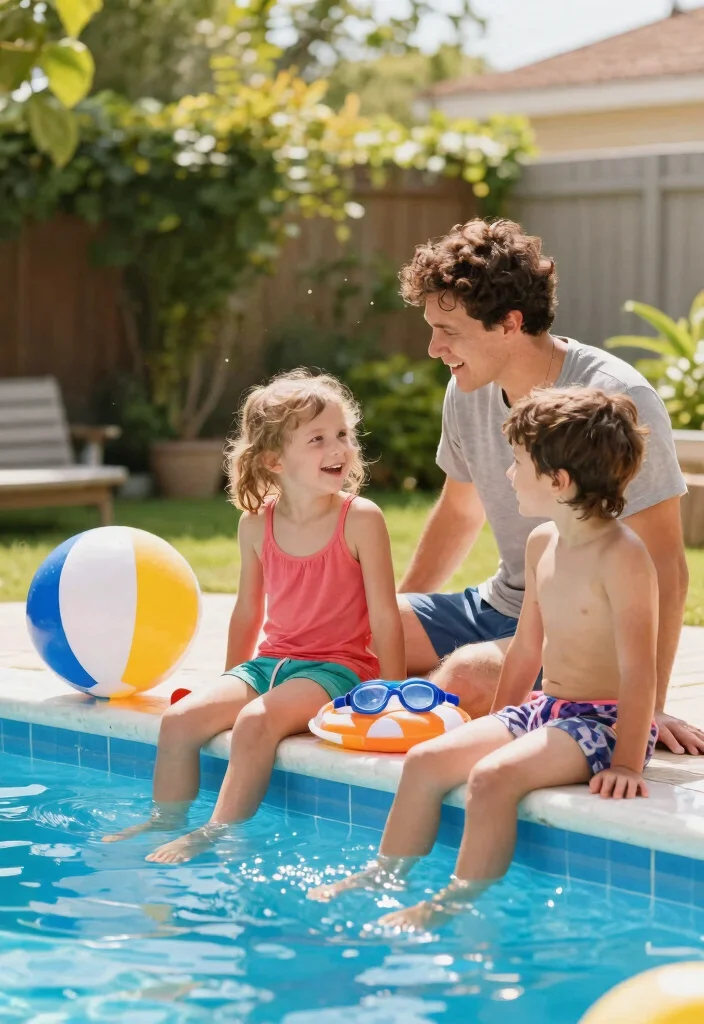
Education is crucial for pool safety. Instill essential rules in your kids, like no running, pushing, or diving into shallow areas. Make sure they understand the importance of waiting for permission before entering the water and always swimming with a buddy.
Discuss what to do if they feel scared or overwhelmed in the water. Open conversations build their confidence and equip them with the knowledge to act safely in various situations.
Here are key rules to teach your kids:
– Always ask for permission before entering the pool.
– No pushing or roughhousing around the pool.
– Wear flotation devices when necessary.
– Respect lifeguards and follow their instructions.
By teaching these basic safety rules, you help cultivate responsible behaviors that will last a lifetime.
5. Check Pool Equipment Regularly
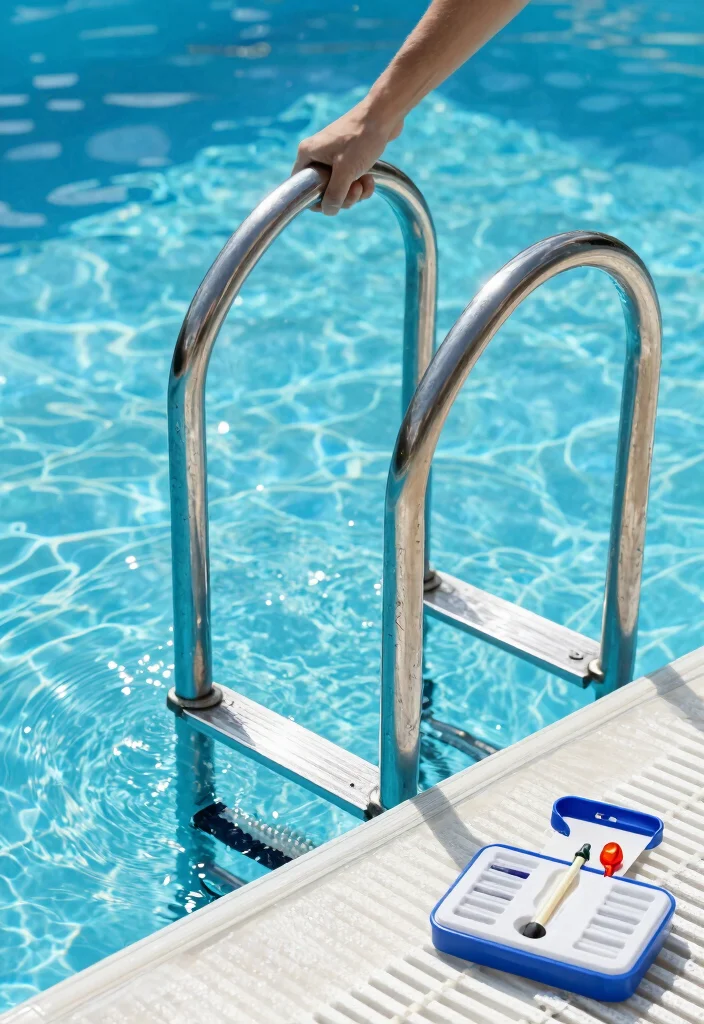
Regular maintenance is vital for pool safety. Consistently inspect your pool equipment, including ladders and floats, to ensure everything is in safe working order. A damaged ladder can pose serious risks, especially for excited kids eager to jump in.
Examine the ladder for rust, loose bolts, or broken rungs before every use. If something seems off, address it immediately. Keep an eye on water quality and chemical balance to ensure a safe swimming environment.
Quick maintenance tips:
– Clean ladders and accessories to avoid slippery surfaces.
– Replace any worn-out equipment promptly.
– Regularly test pool chemicals to stay within safe limits.
– Schedule professional maintenance checks when necessary.
Taking care of your pool equipment not only enhances safety but also improves the overall swimming experience for your family.
6. Set Up a Pool Safety Plan
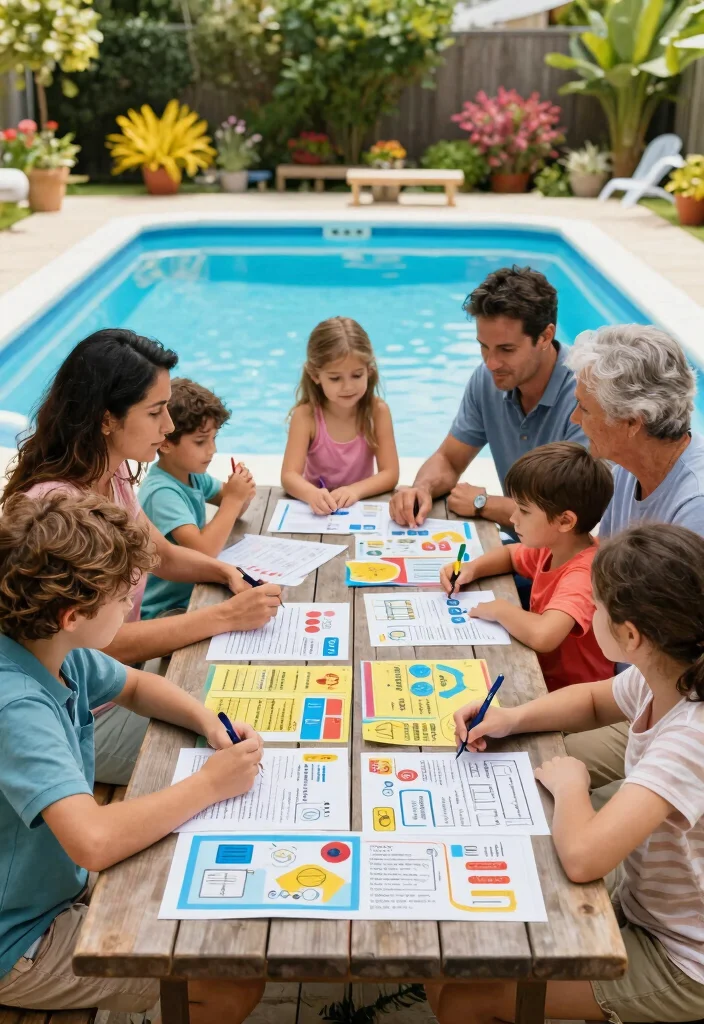
Having a safety plan can make a crucial difference. Create a pool safety plan that outlines emergency procedures, contact numbers, and a communication strategy for your family. This planning ensures everyone knows what to do in case of an emergency, reducing confusion and allowing for a quick response.
Consider holding a family meeting to discuss the plan, including older kids in the conversation. Assign roles, such as who will call for help, and practice emergency drills to familiarize everyone with the steps to take.
Key elements of your safety plan:
– Display an emergency contact list prominently.
– Designate safe areas for kids to play around the pool.
– Regularly refresh family members on pool rules and safety procedures.
– Ensure someone is CPR-trained and present when swimming.
A well-prepared family creates a safer environment, promoting readiness and teamwork in any situation.
Safety plans save lives—it’s as simple as a family chat and a practiced drill. Hold a quick meeting, assign roles, and keep emergency numbers visible; test the plan until it becomes second nature. Even the best pool skimmer can’t replace a practiced response.
7. Encourage Kids to Take Swimming Lessons
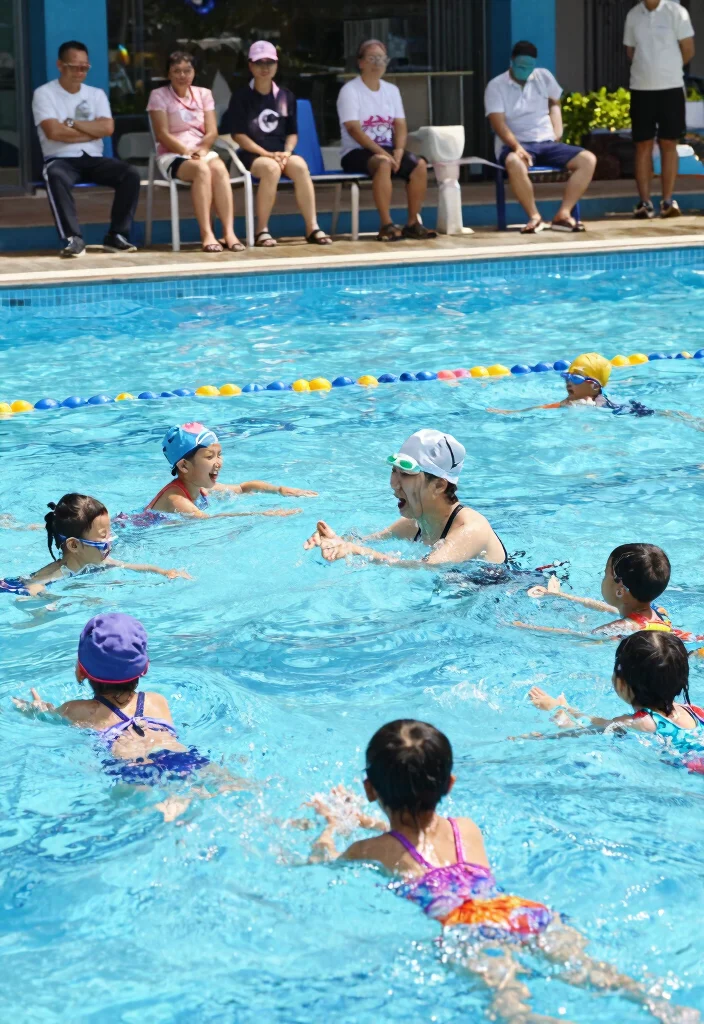
Swimming lessons provide invaluable skills. Enrolling your children in swimming lessons can equip them with essential skills and confidence in and around water. Look for classes that match their age and skill level, emphasizing water safety and swimming techniques.
These lessons teach kids not only how to swim but also how to react safely in emergencies. With instruction from trained professionals, kids learn crucial safety tips in a structured setting. Take advantage of local swim classes for valuable experiences.
Benefits of swimming lessons include:
– Improved safety awareness around water.
– Enhanced swimming skills and self-confidence.
– Knowledge of rescue techniques in emergencies.
– Social interaction with peers in a fun environment.
Encouraging your kids to take swimming lessons fosters a lifelong respect and enjoyment for swimming, creating cherished memories by the pool.
Conclusion
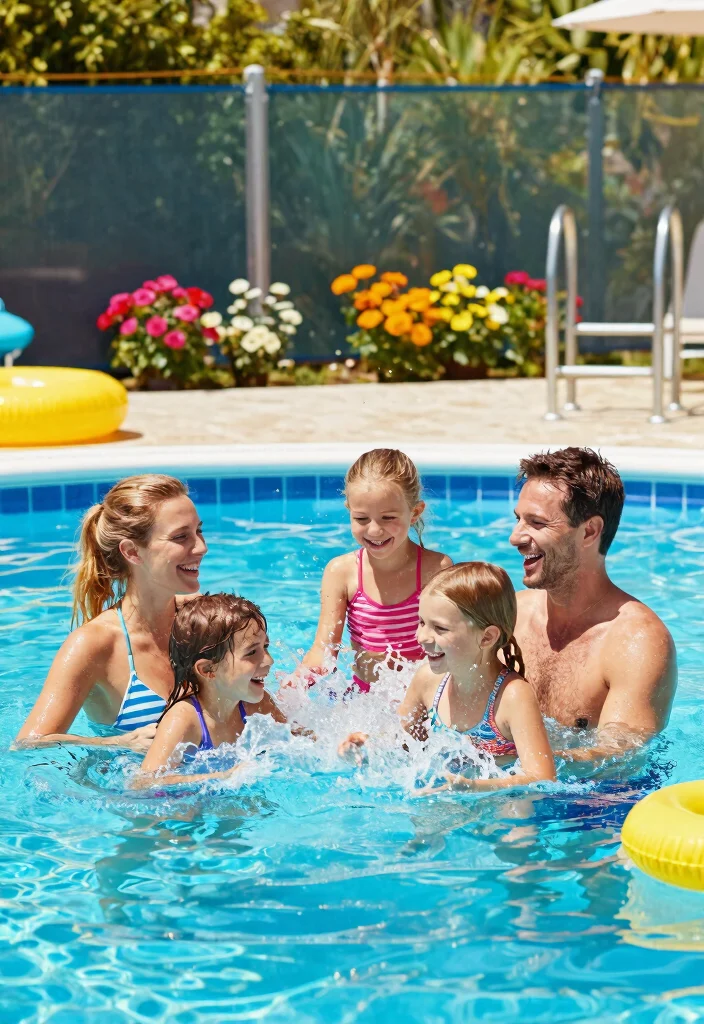
Keeping your kids safe around the pool involves a blend of supervision, education, and proper safety measures. By implementing these crucial tips, you create an environment where your family can enjoy countless joyful moments while ensuring their safety. Remember to regularly review your safety practices and keep the lines of communication open with your children about water safety. Together, you can build a memorable and secure summer experience by the pool.
Note: We aim to provide accurate product links, but some may occasionally expire or become unavailable. If this happens, please search directly on Amazon for the product or a suitable alternative.
This post contains Amazon affiliate links, meaning we may earn a small commission if you purchase through our links, at no extra cost to you.
Frequently Asked Questions
What are the essential pool ladder safety tips every family should know?
Here are the essentials to protect kids around ladders.
Choose a ladder with wide, non-slip steps and sturdy handrails on both sides to give little hands secure grip.
Secure it firmly to the pool deck and check the bolts monthly for looseness or corrosion.
Keep the surrounding deck dry and clutter-free—pair this with a good best pool skimmer to remove leaves and reduce slick spots.
Teach kids to always face the ladder, grip both rails, and climb slowly.
Supervise at all times and designate a water watcher. When the pool isn’t in use, remove or lock the ladder to prevent unsupervised access.
Regularly inspect for sharp edges or bent rungs and replace parts as needed.
How can parents teach kids proper ladder use to prevent accidents?
Teaching kids proper ladder use starts with a hands-on demonstration and plenty of dry-land practice.
Show them how to face the ladder, grip both rails, and move one rung at a time. Let them try with an adult nearby, slowing down if they wobble.
Set clear rules: one person on the ladder at a time, no running near the pool, and always wear a life jacket for beginners.
Turn training into a routine—consistent, calm instructions work better than warnings. Pair ladder training with general pool safety tips and remember that child safety in pools is about steady habits, not one-off lessons.
What maintenance and gear can boost pool ladder safety and overall pool safety?
Regular maintenance and the right gear can make a big difference.
Inspect the ladder for loose bolts, bent rungs, or rust; replace damaged parts immediately.
Choose a ladder with non-slip steps; if the surface is slick, apply anti-slip tape or mats.
Add safety features like a locking mechanism or a detachable ladder so it isn’t accessible when you’re not supervising.
Invest in other best pool accessories like a sturdy handrail, a reliable best pool skimmer to keep the area dry, and a pool alarm or fence as part of maintaining pool safety for families with children.
Are there common ladder hazards I should fix now to prevent accidents?
Yes—acting quickly can prevent accidents.
Loose bolts or a wobbly ladder? Tighten them or replace the ladder.
Damaged or sharp edges? Sand or cover them to avoid cuts.
Rust or corrosion? Replace it, since structural failure can occur over time.
Slippery decks around the ladder? Add non-slip mats and keep the area dry.
Protruding hardware near rungs? Recess or pad it to prevent snagging clothes or skin.
Appropriate height? Ensure kids can reach safely without overextending.
When not in use, store or remove the ladder to reduce access by children unsupervised.
How does ladder safety fit into the broader goal of maintaining pool safety for kids?
Ladder safety is a key piece of the bigger picture of keeping kids safe around water.
Pair ladder safety with constant supervision, proper barriers, and clear family rules around pool use.
Utilize the right gear—like the best pool accessories and a well-chosen best pool skimmer—to keep the pool area clean and safe.
Develop entry-and-exit routines, and consider removing a removable ladder at night or when children aren’t supervised to prevent access.
Regular practice and reinforcement of these habits are essential to maintaining pool safety for the whole family.

![13 Custom DIY Outdoor Griddle Ideas [Built In Layouts]](https://roomeena.com/wp-content/uploads/2026/04/13-Custom-DIY-Outdoor-Griddle-Ideas-Built-In-Layouts-150x150.webp)