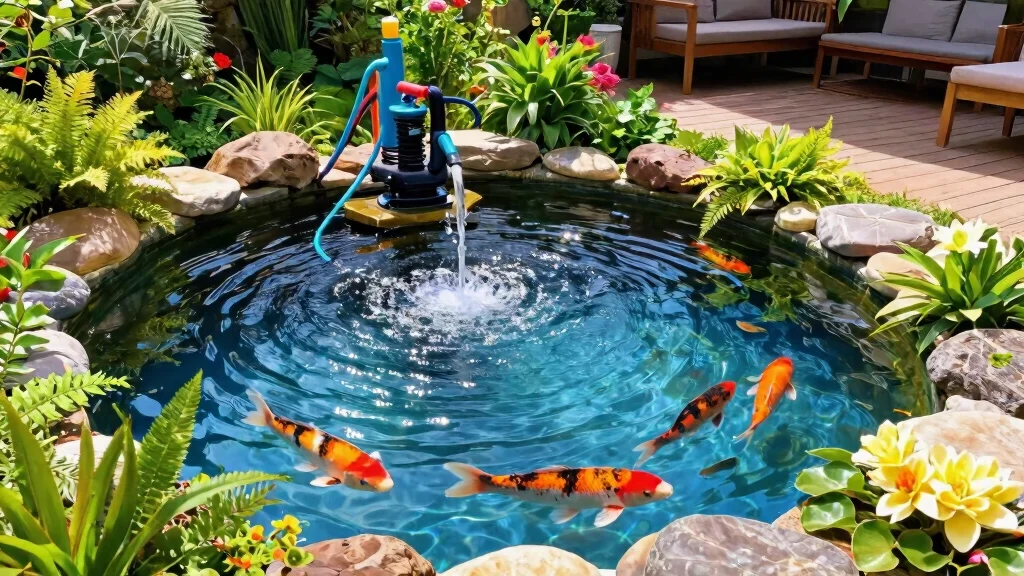
Gardening has always been a passion of mine, and let’s be real: there’s something incredibly soothing about the sight and sound of a pond in your backyard. It creates a tranquil space and attracts beautiful wildlife. However, keeping that pond looking its best isn’t just about planting flowers or placing ornamental stones. Regular maintenance, especially for your pond pump, is key to ensuring that water circulation stays optimal and your aquatic plants and fish thrive. With this in mind, I wanted to share some essential pond pump maintenance tips to help you keep that oasis in top shape.
If you love aquatic gardening or have invested in a water garden, then this post is for you. You likely care about the health of your fish, the clarity of your water, and the overall aesthetic of your landscape. A well-maintained pond creates a vibrant environment not just for plants and fish, but also for you, the gardener. You want to enjoy your space without worrying about the technicalities of pump care, and that’s exactly what I aim to help you with.
In this guide, you’ll discover seven easy and practical tips for pond pump maintenance. These tips are straightforward, actionable, and will help keep your pond equipment in peak condition. Whether you’re a seasoned pond owner or just starting your aquatic landscaping journey, these insights will empower you to maintain a beautiful and healthy garden pond.
Key Takeaways
– Regularly Clean and Inspect Filters: Clean your pump filters frequently to avoid clogs and ensure smooth operation. This simple step can greatly extend the life of your pump.
– Monitor Water Levels: Keep an eye on the water levels in your pond. Low levels can strain your pump and affect water circulation, so replenish as needed.
– Check for Algae and Debris: Regularly inspect your pond for algae and debris. Removing these can prevent pump blockages and enhance the overall beauty of your water garden.
– Winterize Your Pump: If you live in a colder climate, don’t forget to winterize your pump. This step is crucial to prevent damage from freezing temperatures.
– Inspect for Leaks: Periodically check the pump and connections for leaks. Addressing leaks promptly can save you from costly repairs down the line and keep your pond healthy.
1. Regularly Clean and Inspect Filters
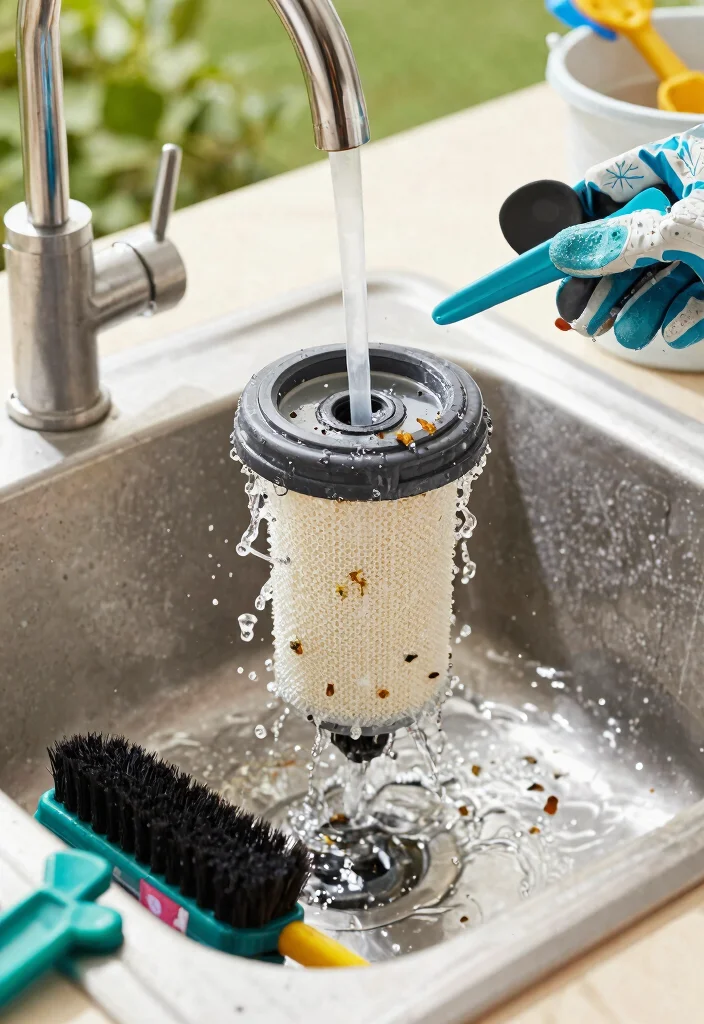
Keeping your pond healthy starts with clean and functional pump filters. Clogged filters can disrupt water flow and harm the aquatic life you cherish. Make it a habit to turn off the pump and carefully remove the filter for a rinse under cool water. Avoid harsh chemicals that can harm the good bacteria, and don’t forget to check for any wear that might need prompt attention.
To maintain optimal filtration, follow these simple steps: Check your filters every two weeks during warm months. Schedule a detailed clean each month. Keep extra filters handy for quick swaps when needed.
Key maintenance actions:
– Rinse filters gently in cool water
– Replace worn-out filters promptly
– Maintain a cleaning schedule to ensure efficiency
Regular filter care not only enhances your pump’s performance but also extends its lifespan, saving you both time and money over the years.
2. Monitor Water Levels
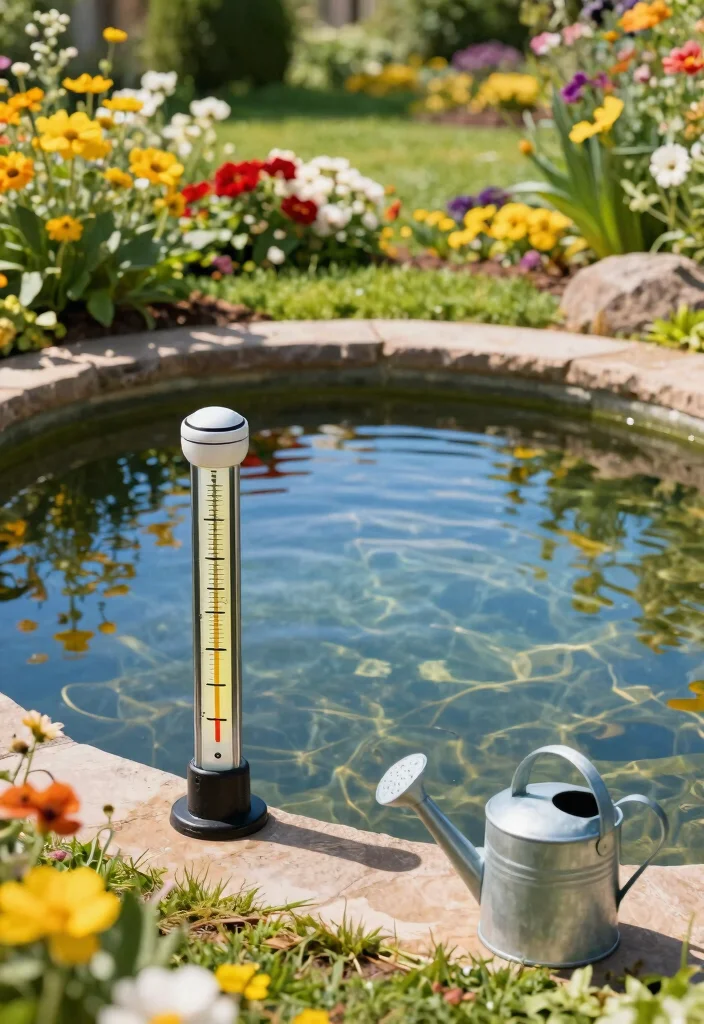
The water level in your pond is vital for both the pump and your aquatic ecosystem. When levels drop too low, the pump may run dry, risking damage and expensive repairs. Regular checks are essential, especially during hot days or dry spells. Topping off the pond when necessary keeps everything running smoothly, and a water level monitor can provide automatic updates for your peace of mind.
Stay vigilant by observing these factors: Watch for evaporation during summer, check for water loss from splashes or features, and look for algae that might signal nutrient issues.
Essential monitoring tips:
– Check water levels daily during hot weather
– Use a pond water level alarm for alerts
– Adjust for evaporation and features
By keeping a close watch on water levels, you’ll help create a thriving environment for all living creatures in your pond.
3. Check for Algae and Debris
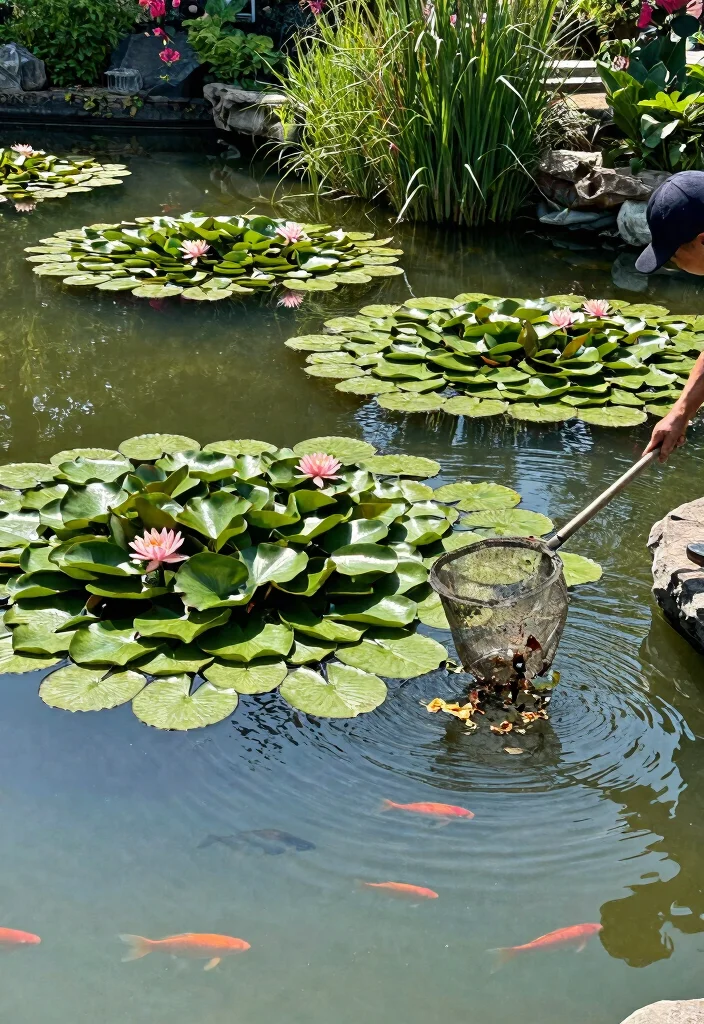
A clear pond is a happy pond, and that starts with regular checks for algae and debris. Take a moment to scan the surface for green scum or weeds that could suffocate your pond’s beauty. Use a skimmer net to scoop out any floating debris and consider adding aquatic plants that thrive on nutrients, preventing algae blooms. If algae grows out of control, a UV clarifier might be your best friend.
Here are some effective prevention strategies: Ensure your pump is the right size for your pond, avoid overfeeding fish, and introduce natural predators to keep algae at bay.
Key maintenance practices:
– Inspect the pond weekly for algae growth
– Use a skimmer net to remove debris
– Add plants that compete with algae
With a little effort, you can keep your pond sparkling and full of life, making it a pleasant retreat for both you and your aquatic friends.
Pro Tip: Regular checks for algae and debris keep ponds crystal clear—even with pool ladder ideas for easy access. A skimmer net is your friend, and adding nutrient-loving plants helps outcompete algae. If blooms spike, a UV clarifier can be a game changer.
4. Winterize Your Pump
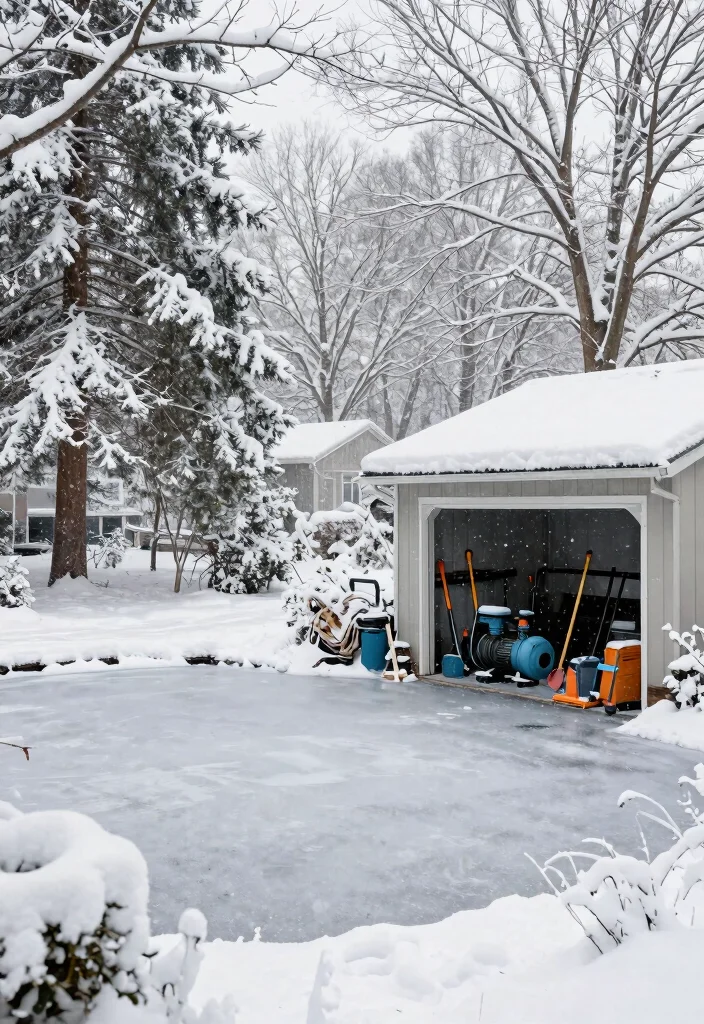
As the cold months approach, winterizing your pond pump is essential to prevent freezing damage. Start by switching off the pump and unplugging it. Drain any leftover water to avoid ice expansion. Store the pump in a frost-free area, and consider using a de-icer to ensure your fish have a safe haven during the chill. It’s also the perfect time for a thorough clean before spring.
Follow this winter maintenance checklist: Remove leaves that could clog the pump, insulate your pond if it’s small, and monitor the water temperature regularly to protect your fish.
Winter preparation steps:
– Clear debris from the pond surface
– Insulate small ponds to retain heat
– Monitor pond temperature to ensure fish safety
By winterizing your pump, you’ll set your pond up for a fresh start come spring, ensuring it’s ready for warmer days.
Winter-proof your pond pump and protect your fish. Switch off and unplug, drain remaining water, and store the pump in a frost-free spot—then add a de-icer for a safe haven. A quick cleanup now saves headaches come spring.
5. Inspect for Leaks
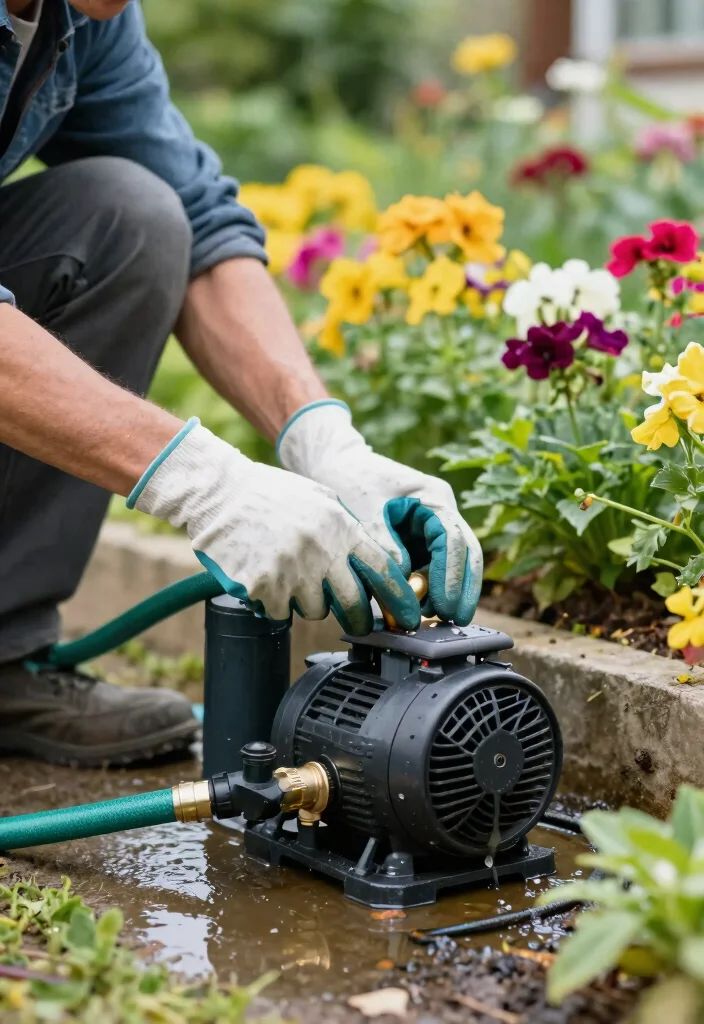
Detecting leaks in your pond system is crucial for maintaining water levels and ensuring your pump operates efficiently. Examine hoses, connections, and fittings for any signs of wear or damage. If you spot water pooling or notice a drop in levels, take a closer look. Use waterproof tape for minor fixes or replace any damaged parts to keep everything flowing smoothly.
Here are some tips for detecting leaks: Conduct regular inspections, especially before summer arrives, monitor water levels for unusual drops, and check hoses for kinks or blockages.
Leak detection strategies:
– Look for damp spots around hoses and fittings
– Regularly review water levels for sudden changes
– Inspect hoses for blockages or wear
Identifying leaks early can save you time and prevent more significant issues, keeping your pond in great shape.
Did you know a tiny leak can waste up to 200 gallons a week from a small pond? Regular checks of hoses and fittings catch leaks early, saving water and keeping your pump running smoothly—whether you’re by pool ladder ideas or tending the pond.
6. Keep an Eye on the Fish
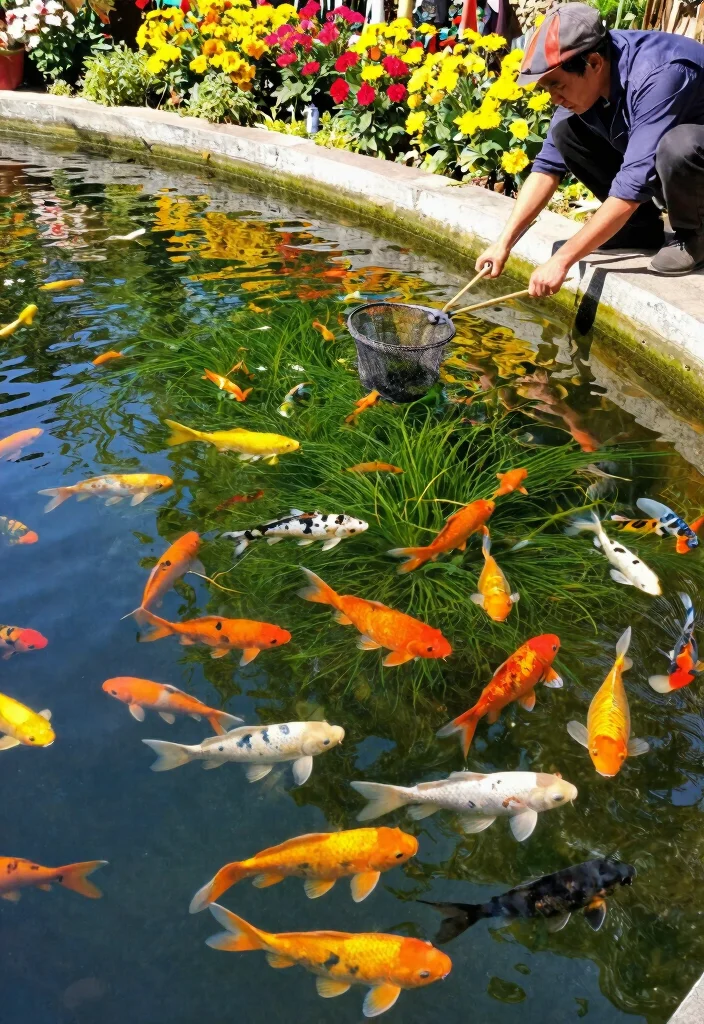
Your fish are not just beautiful; they’re also indicators of your pond’s health. While maintaining your pump, take a moment to observe your fish for any signs of stress or illness. If they start behaving differently—like hanging near the surface or hiding excessively—it might be a sign of poor water quality. Regularly testing the water for pH and ammonia levels can help ensure a healthy environment for your aquatic friends.
Consider these fish care tips: Feed them sparingly to reduce waste, use a fountain or aerator to boost oxygen, and add beneficial bacteria to improve water quality naturally.
Fish health tips:
– Feed your fish smaller amounts to minimize pollution
– Use aerators to enhance oxygen levels
– Introduce beneficial bacteria for better water health
By caring for your fish, you not only enhance their beauty but also contribute to a balanced and thriving ecosystem in your pond.
7. Schedule Regular Professional Maintenance
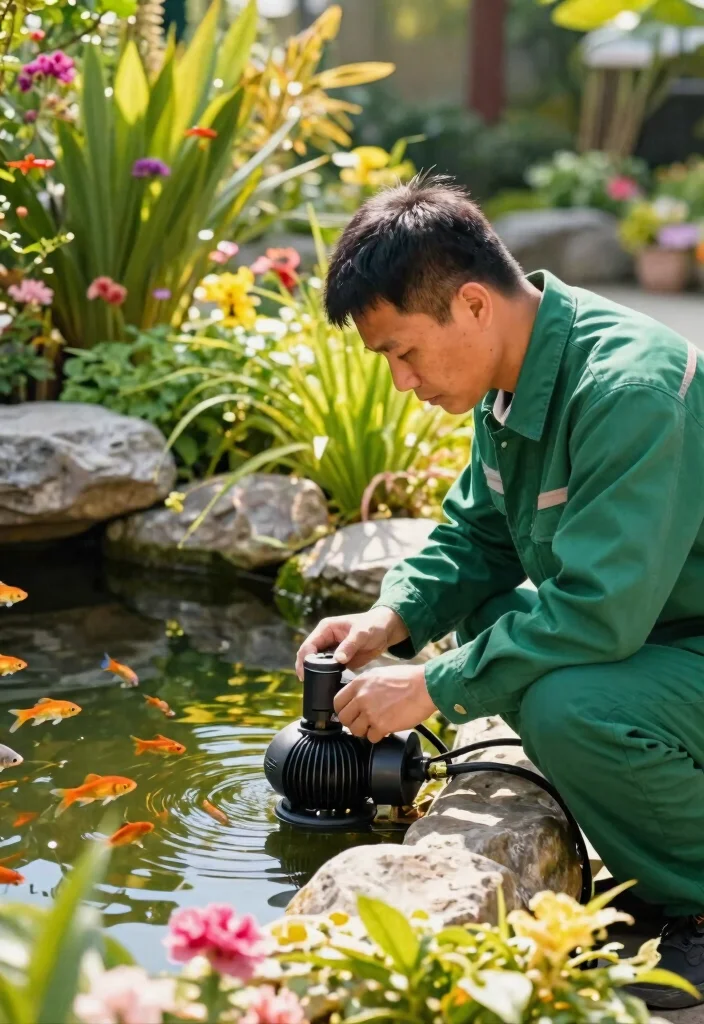
While DIY maintenance is vital, enlisting a professional can elevate your pond’s health to new heights. Aim to schedule at least one professional check-up each year. Experts can provide a thorough assessment of your pond’s ecosystem, perform deep cleaning, and address issues that may go unnoticed. Their insights can greatly enhance your pond’s health and visual appeal.
Consider these benefits of professional maintenance: Receive expert evaluations for underlying problems, enjoy thorough cleaning beyond regular upkeep, and gain valuable advice for pond design and plant selection.
Professional maintenance benefits:
– Expert assessments for long-term pond health
– Comprehensive cleaning that ensures peak condition
– Tailored advice for plant and feature choices
Investing in professional care helps keep your water garden a beautiful and enjoyable retreat for years to come.
Ongoing Maintenance & Care Guide
Maintenance Schedule:
Daily/Weekly Tasks:
– Check water levels. This helps ensure your pump runs efficiently. ⏱ (5 minutes)
– Clean debris from the pond surface. A simple skimming can prevent buildup. 🚀 (10 minutes)
– Inspect the pump for any unusual noises. Early detection helps avoid bigger problems. ✔ (5 minutes)
Monthly/Seasonal Tasks:
– Clean or replace filters. This keeps water flowing smoothly. 🧼 (30 minutes)
– Monitor algae growth and treat as needed. Preventative care is key! 💡 (15 minutes)
– Inspect hoses and connections for wear or leaks. Keep everything tight and functional. 🔍 (20 minutes)
– Check the pump’s energy usage. Higher costs may indicate inefficiency. 💡 (10 minutes)
– Adjust the positioning of plants or decorations. This can improve water flow and aesthetics. 🌿 (15 minutes)
Maintenance Summary Table:
| Task | Frequency | Difficulty | Time Needed |
|————————–|——————-|—————–|————–|
| Check water levels | Daily/Weekly | Easy | 5 minutes |
| Clean debris | Daily/Weekly | Easy | 10 minutes |
| Inspect pump noises | Daily/Weekly | Easy | 5 minutes |
| Clean/replace filters | Monthly | Moderate | 30 minutes |
| Monitor algae | Monthly | Easy | 15 minutes |
| Inspect hoses/connections | Monthly | Moderate | 20 minutes |
| Check energy usage | Monthly | Easy | 10 minutes |
| Adjust plants | Monthly | Easy | 15 minutes |
Common Issues to Watch For:
⚠️ Unusual noises or vibrations: If your pump sounds off, it may be struggling. Check for clogs or damage.
⚠️ Water level drops quickly: Rapid evaporation or leaks can indicate a problem. Look for any visible leaks or cracks in your pond.
⚠️ Increased algae growth: If algae blooms appear more frequently, it may mean your pump isn’t circulating water properly. Address this to maintain a healthy ecosystem.
⚠️ Poor water clarity: Cloudy water can signal that your filtration system isn’t working effectively. Clean or replace filters right away.
⚠️ Fish distress: If your fish are behaving oddly, check water quality. An imbalance can harm aquatic life. Ensure your pump is functioning properly.
Care Tips:
💡 Use a pond cover. A net can keep leaves and debris out while allowing sunlight in. This helps maintain water quality.
💡 Maintain proper fish stock. Overcrowding can stress your fish and strain your pump. Aim for a balanced number based on pond size.
💡 Regularly check water chemistry. Testing pH and ammonia levels keeps your pond healthy. Aim for a balanced environment for fish and plants.
💡 Inspect and clean your pump regularly. A clean pump is a happy pump! This can extend its life significantly.
💡 Educate yourself. Stay updated on aquatic gardening trends and best practices. Knowledge helps you make informed decisions.
Following these maintenance tips will keep your pond pump in top shape. Regular attention not only extends the life of your garden pond equipment but also ensures a thriving aquatic environment. Enjoy your beautiful water garden!
Conclusion
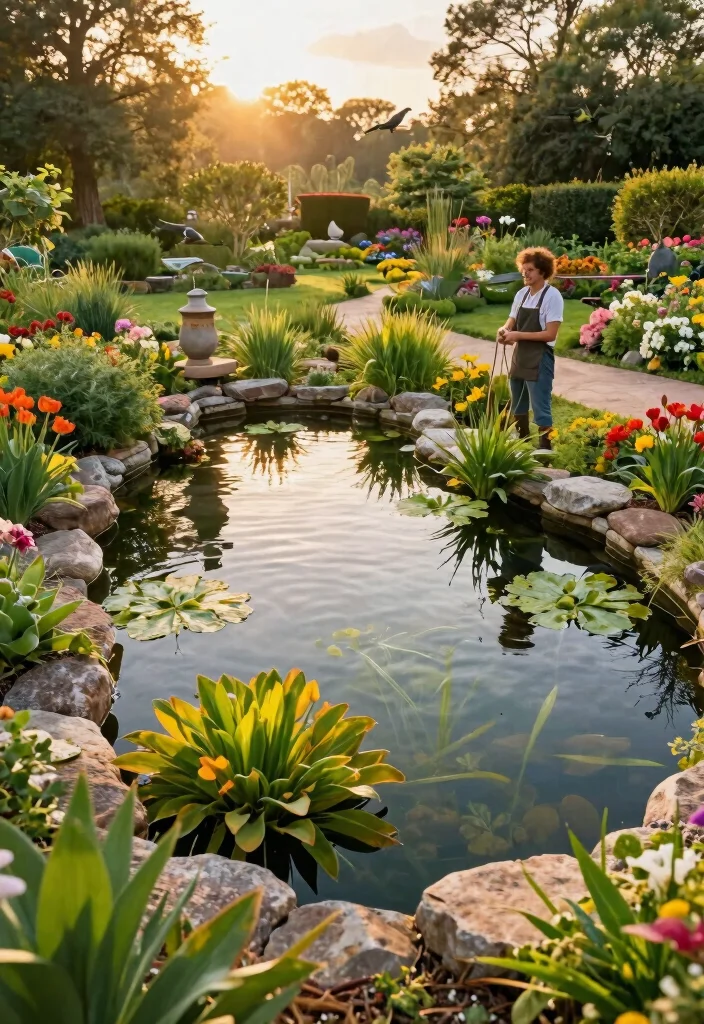
Maintaining your pond pump might seem daunting, but with these tips, it can become a routine part of your gardening hobby. Regular upkeep not only enhances the beauty of your water garden but also supports a thriving ecosystem. As you nurture your pond, remember that a little effort goes a long way in ensuring its health and longevity. So grab those tools, get outside, and enjoy the serene beauty that comes from a well-maintained aquatic space!
Note: We aim to provide accurate product links, but some may occasionally expire or become unavailable. If this happens, please search directly on Amazon for the product or a suitable alternative.
This post contains Amazon affiliate links, meaning we may earn a small commission if you purchase through our links, at no extra cost to you.
Frequently Asked Questions
How often should I clean and inspect my pond pump and filter to keep a healthy water garden?
Regular maintenance keeps the water crystal clear and fish happy. Start with a quick weekly check for unusual noises, vibration, or reduced flow. Do a deeper clean every 2–4 weeks: unplug the pump, remove the pre-filter, rinse away debris, and inspect the impeller for wear. Check hoses for cracks and secure fittings to prevent leaks. After cleaning, reassemble and restart, watching for normal flow. For larger water gardens, increase the cadence during leaf fall. For easier access around deeper ponds, you can borrow some pool ladder ideas to design safe maintenance access.
Keeping a simple log of each session—date, parts replaced, and performance changes—helps with ongoing pond maintenance and pump care.
What are the most common signs that my pond pump needs maintenance or replacement?
If you notice reduced flow, strange noises or vibration, the motor running hot, or visible leaks, it’s time to investigate. Start with a clean check: unplug, inspect the impeller for jams, clean the pre-filter, and examine seals. Check electrical connections and ensure hoses aren’t kinked or cracked. If performance doesn’t improve after cleaning, consider upgrading to a sturdier garden pond equipment or replacing worn parts as part of pump care and pond maintenance.
How can I prevent clogs and keep my pump running efficiently in a water garden?
Install a reliable pre-filter or sieve at the intake and keep a debris trap accessible. Regularly remove leaves and plant debris before they reach the pump, especially in fall. Use well-spaced aquatic plants to reduce detritus and clean screens monthly. Make sure the pump never runs dry and avoid overfeeding fish, which can clog filters. This is pond maintenance, water garden tips, and pump care in action. If you’re designing the setup, you can even borrow ideas from pool ladder ideas for safe, easy access around the pond edge.
What routine maintenance should I perform seasonally to protect pond pumps and garden pond equipment?
Spring is kickoff time: flush hoses, check cables and plugs, replace worn seals, and test the pump with a clean filter. Summer: monitor running hours, check for overheating, and clear debris. Fall: remove fallen leaves and prepare filters for winter. Winter: winterize or winter-safe the system, ensure submersion levels and consider a de-icer or heater if you live in freezing climates. Following these steps helps you keep garden pond equipment running smoothly and supports overall aquatic landscaping goals.
Are there practical safety tips when installing and maintaining a pond pump in a landscaped water feature?
Absolutely. Always unplug before maintenance, use a GFCI outlet, and keep electrical connections dry and elevated off wetted surfaces. Secure cords and use weatherproof, outdoor-rated hardware. Route cables away from the water’s edge and avoid running cords across walkways. Plan the layout with your water garden tips and aquatic landscaping goals in mind, and consider safe maintenance access—some hobbyists even reference pool ladder ideas to design a secure entry point for deep sections.

![13 Custom DIY Outdoor Griddle Ideas [Built In Layouts]](https://roomeena.com/wp-content/uploads/2026/04/13-Custom-DIY-Outdoor-Griddle-Ideas-Built-In-Layouts-150x150.webp)