Rainwater collection systems are becoming increasingly popular as gardeners search for sustainable ways to manage water in their organic gardens. With the need for eco-friendly practices on the rise, I created this guide to help you harness the power of rainwater while reducing your environmental impact. By tapping into this natural resource, you can conserve water and nurture your garden more effectively.
If you’re passionate about gardening and want to make your practices more sustainable, this post is for you. Whether you’re an experienced gardener or just starting out, understanding how to implement these systems can significantly benefit your plants and your pond. You’ll find helpful tips on setting up rainwater collection systems, drip irrigation, and even pond filtration solutions.
In this guide, I’ll walk you through nine innovative and eco-friendly methods for collecting rainwater and utilizing it in your garden. By the end, you’ll have a wealth of ideas to create a thriving garden that respects nature’s resources while enhancing your organic gardening journey.
Key Takeaways
– Gutter Systems for Efficient Rainwater Harvesting: Learn how to set up gutters to direct rainwater into barrels or storage systems, ensuring you capture every drop.
– Rain Barrels – Store and Use!: Discover how rain barrels can be a simple and effective way to store rainwater for later use in your garden.
– Drip Irrigation Systems – Precision Watering: Find out how drip irrigation can give your plants the exact amount of water they need, reducing waste and promoting healthy growth.
– Pond Filtration Solutions – Balancing Ecosystems: Explore how using rainwater helps maintain healthy pond ecosystems, benefiting both your plants and local wildlife.
– Education and Community Involvement: Understand the importance of community engagement in promoting sustainable gardening practices and how you can inspire others to join the cause.
1. Gutter Systems for Efficient Rainwater Harvesting
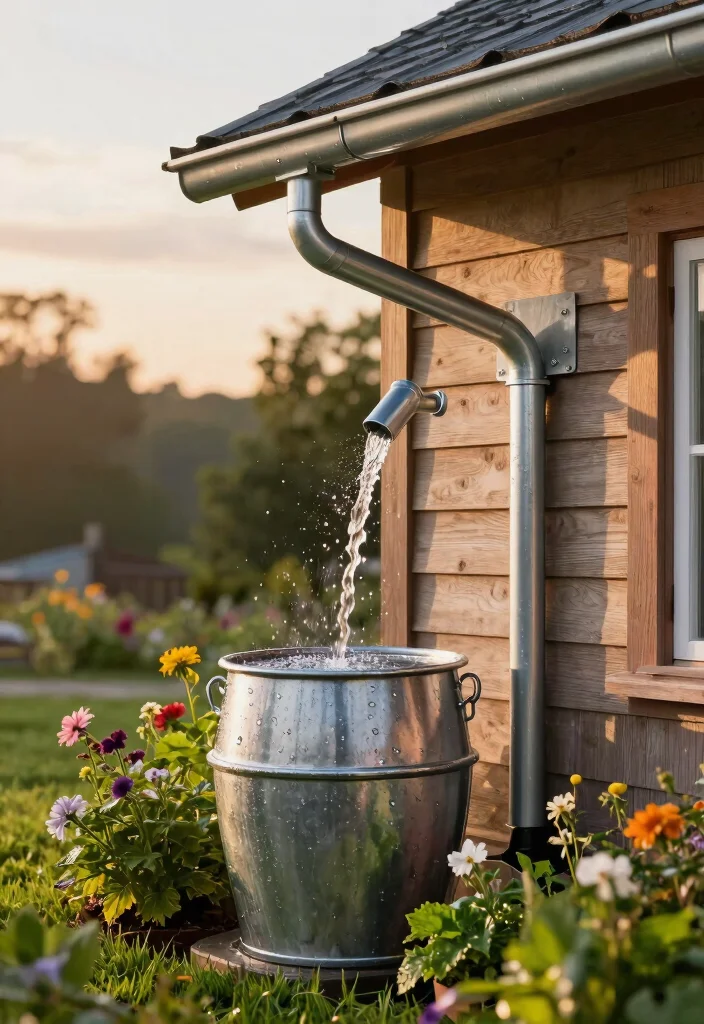
Are you ready to capture the power of rain? Installing a gutter system on your home is a smart way to start harvesting rainwater. These gutters funnel rain from your roof into storage containers, making it easy to use for your plants later. Choose durable, non-toxic materials for your gutters, and don’t forget to add leaf filters to keep debris out. Using opaque containers will help prevent algae growth, ensuring your water stays clean and fresh for your garden.
To get the most from your gutters, ensure they’re positioned to catch the maximum rainfall. Select downspouts that can be adjusted to handle any overflow easily. Regular cleaning of your gutters is essential to maintain their efficiency and prolong their lifespan.
Key considerations for effective gutter systems:
– Position gutters to capture maximum rainfall from your roof.
– Utilize adjustable downspouts for overflow management.
– Clean gutters regularly to maintain optimal flow.
This setup not only saves water but also reduces runoff, benefiting both your garden and the environment.
2. Rain Barrels – Store and Use!
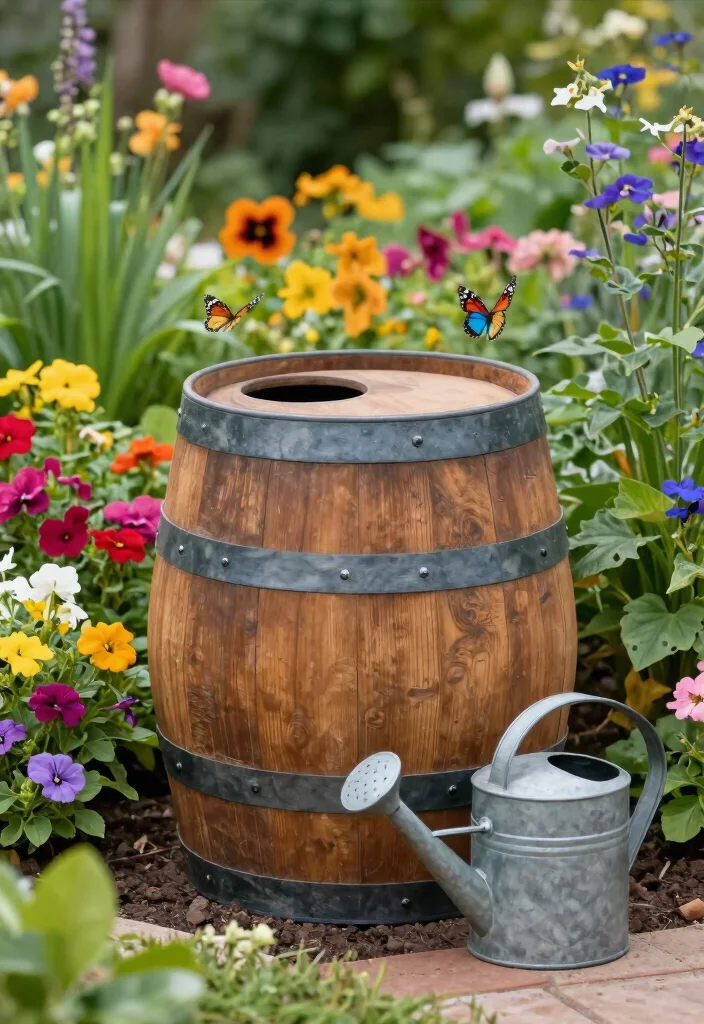
Rain barrels are a fantastic way to store rainwater for your garden. Made from food-grade plastic or recycled materials, these barrels can collect thousands of gallons each year. Placing them under downspouts helps maximize the amount of water you collect, allowing you to use it during dry spells.
When choosing rain barrels, look for models that include spigots for easy access. Opt for barrels with screens to keep mosquitoes at bay, and consider painting them to match your garden’s aesthetics.
Benefits of using rain barrels:
– Collect and store thousands of gallons of rainwater.
– Easily access stored water with built-in spigots.
– Decorate barrels to enhance garden appearance.
By utilizing rain barrels, you can significantly lower your water bills while providing your plants with free, soft rainwater.
3. Drip Irrigation Systems – Precision Watering
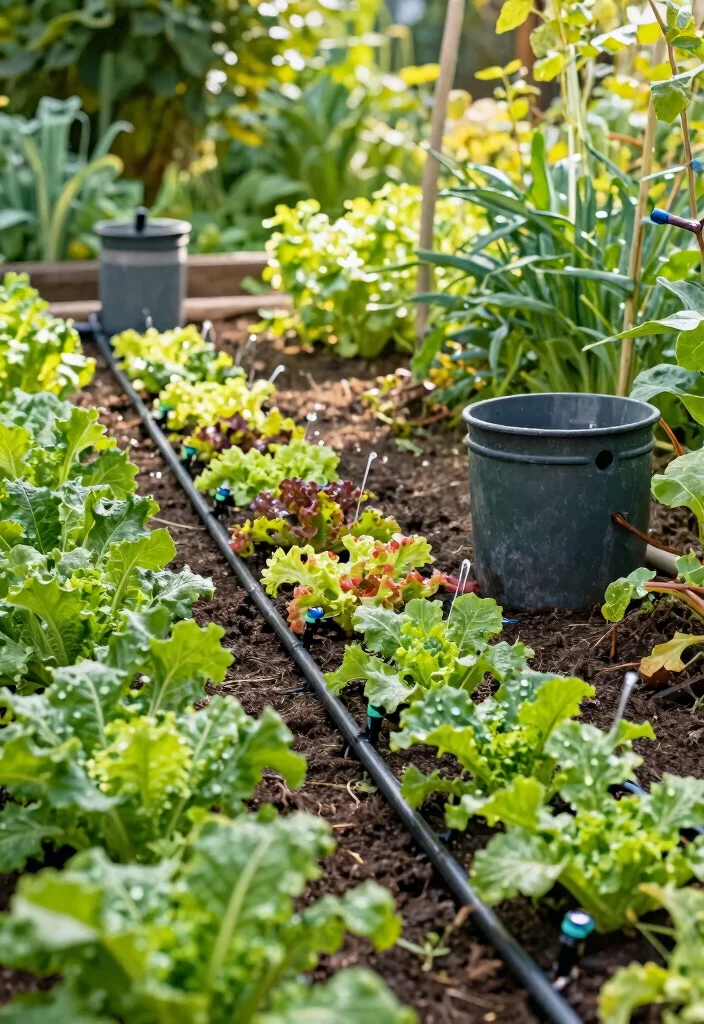
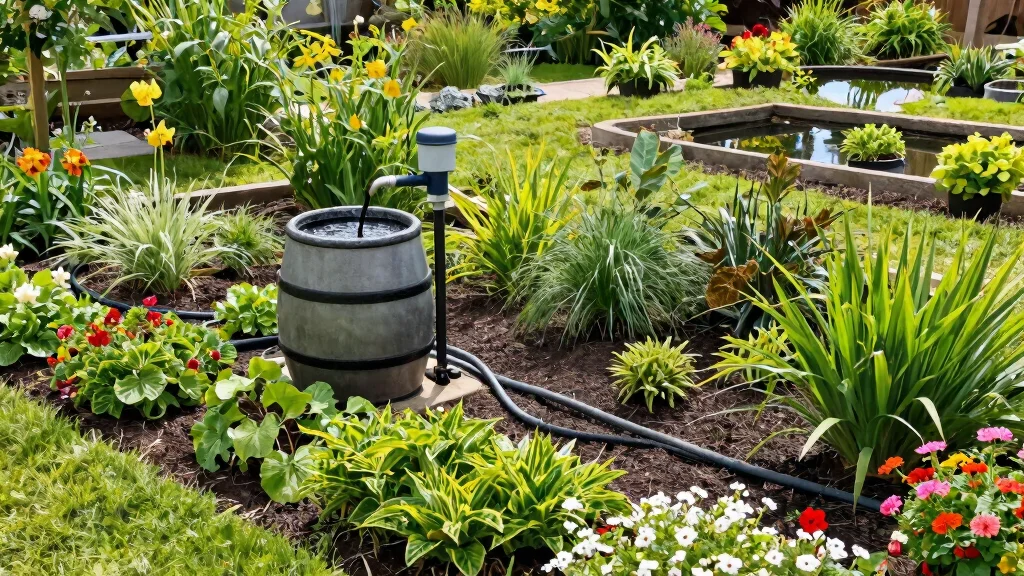
Drip irrigation systems are an efficient way to deliver water directly to your plants’ roots. This method minimizes waste and ensures your plants receive the precise amount of water they need. Using rainwater collected in barrels, you can set up a gravity-fed drip system, ensuring your garden thrives without overwatering.
To implement this system, install emitters right at the base of each plant. Consider using timers to automate your watering schedule, and remember to check for clogs and leaks regularly to maintain flow.
Steps to optimize your drip irrigation:
– Install emitters at the base of each plant for efficiency.
– Use timers to automate your watering routine.
– Regularly check for clogs and leaks.
This method conserves water and encourages healthier plant growth by avoiding the problems associated with overhead watering.
4. Rain Gardens – Nature’s Filter
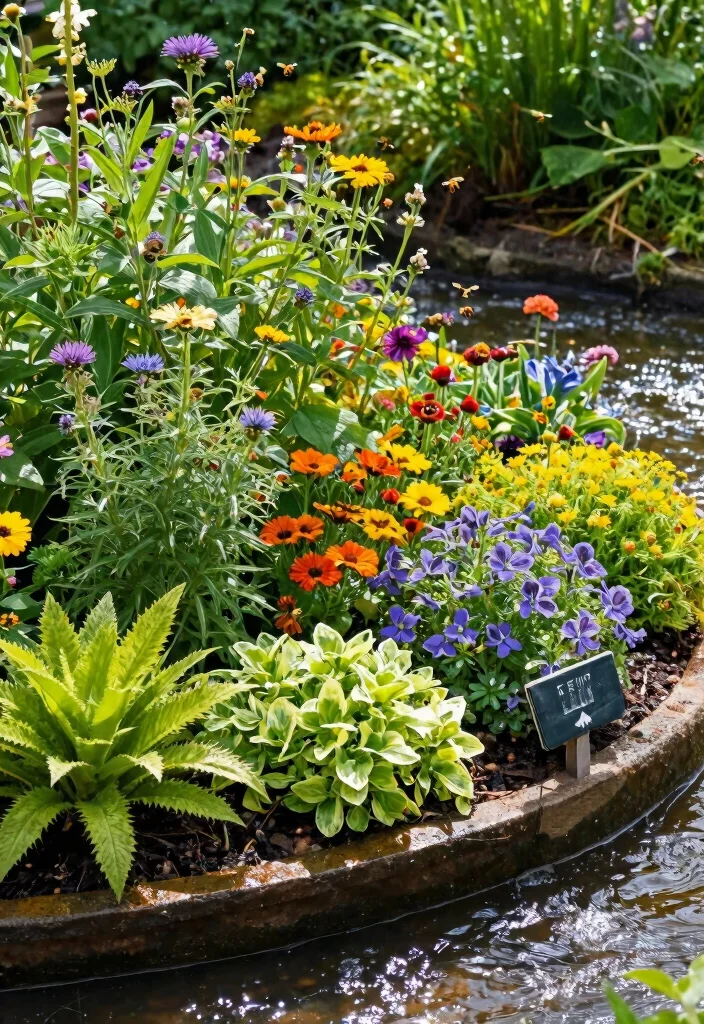
Creating a rain garden is an excellent way to make use of excess rainwater. These gardens capture runoff, filtering it through various plants, which allows water to soak into the ground naturally. Native plants thrive in these environments, providing benefits to local wildlife and enhancing biodiversity.
For a successful rain garden, choose a location that naturally collects water. Include a mix of native plants that can handle varying wet and dry conditions, and design a shallow depression to facilitate water absorption.
Essentials for building a rain garden:
– Select a naturally water-collecting location.
– Use diverse native plants for resilience.
– Design a shallow depression to aid absorption.
Not only do rain gardens reduce flooding in your yard, but they also play a crucial role in improving groundwater recharge.
5. Permeable Pavements – Reduce Runoff
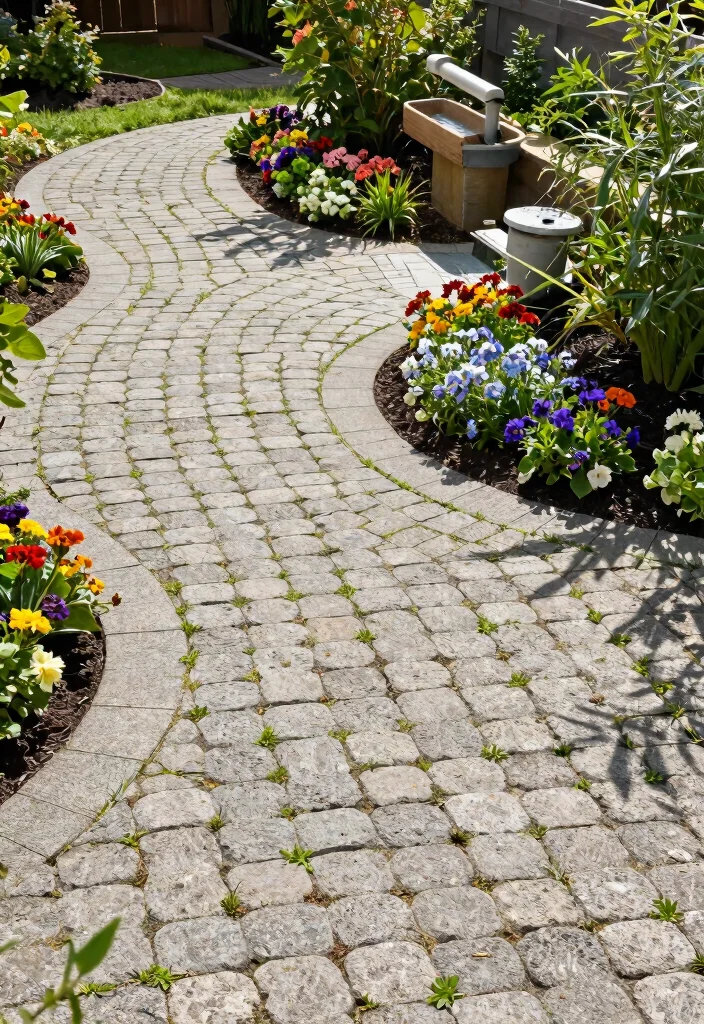
Consider using permeable pavements to manage stormwater effectively. These surfaces allow rainwater to seep through, reducing runoff and promoting groundwater recharge. You can create driveways, walkways, and patios with materials like gravel, porous asphalt, or permeable concrete.
The benefits of permeable pavements are significant. They help decrease erosion and flooding while improving water quality by filtering out pollutants. This approach also reduces the need for extensive stormwater management systems.
Advantages of permeable pavements:
– Minimize erosion and flooding in your outdoor space.
– Improve water quality by filtering rainwater.
– Reduce reliance on stormwater management systems.
Incorporating permeable pavements enhances your landscaping while supporting sustainable gardening practices.
Fun fact: Permeable pavements can cut stormwater runoff by up to 60% during heavy rains, while recharging groundwater between showers. Gravel, porous asphalt, or permeable concrete turn driveways into filtration zones that reduce erosion and keep pollutants out of your garden — even supporting the best duck pond filter.
6. Rooftop Gardens – Urban Oasis
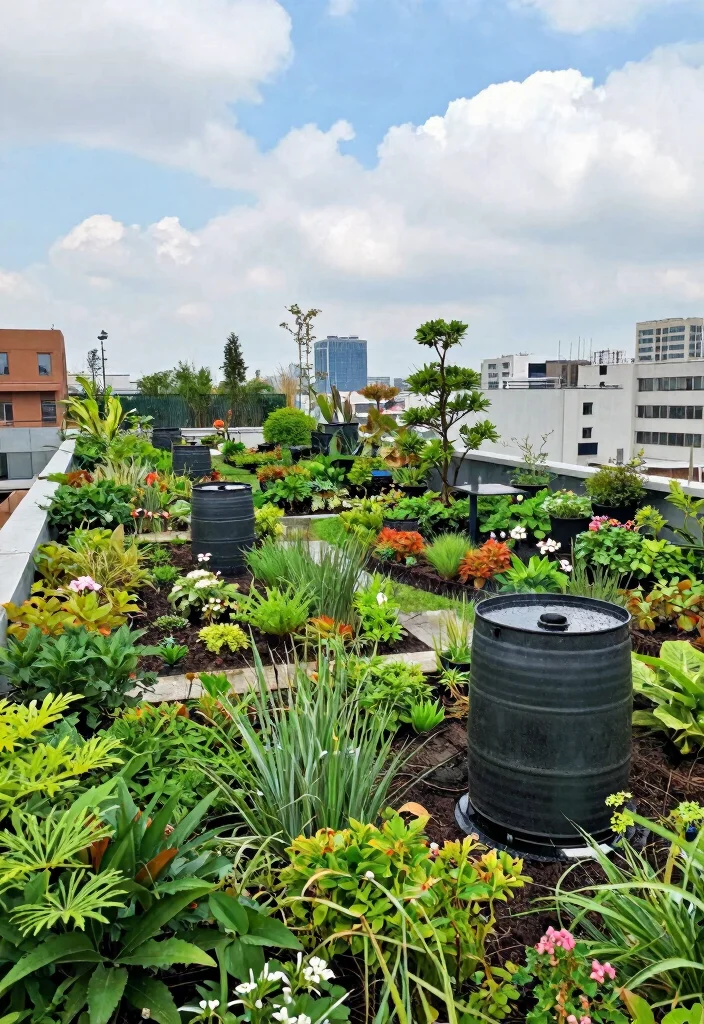
Rooftop gardens are an ideal solution for urban residents seeking to maximize their gardening space. These gardens capture rainwater naturally, which can then be used for irrigation. Growing plants on rooftops not only beautifies city landscapes but also helps cool buildings and improves air quality.
To start your rooftop garden, ensure your roof can support the weight of soil and plants. Incorporate a rainwater collection system to make the most of your resources, and choose drought-tolerant plants to minimize water needs.
Steps for creating a rooftop garden:
– Check your roof’s weight capacity before planting.
– Implement a rainwater collection system for irrigation.
– Select drought-resistant plants to conserve water.
These gardens can insulate buildings and create habitats that benefit local wildlife.
7. Pond Filtration Solutions – Balancing Ecosystems
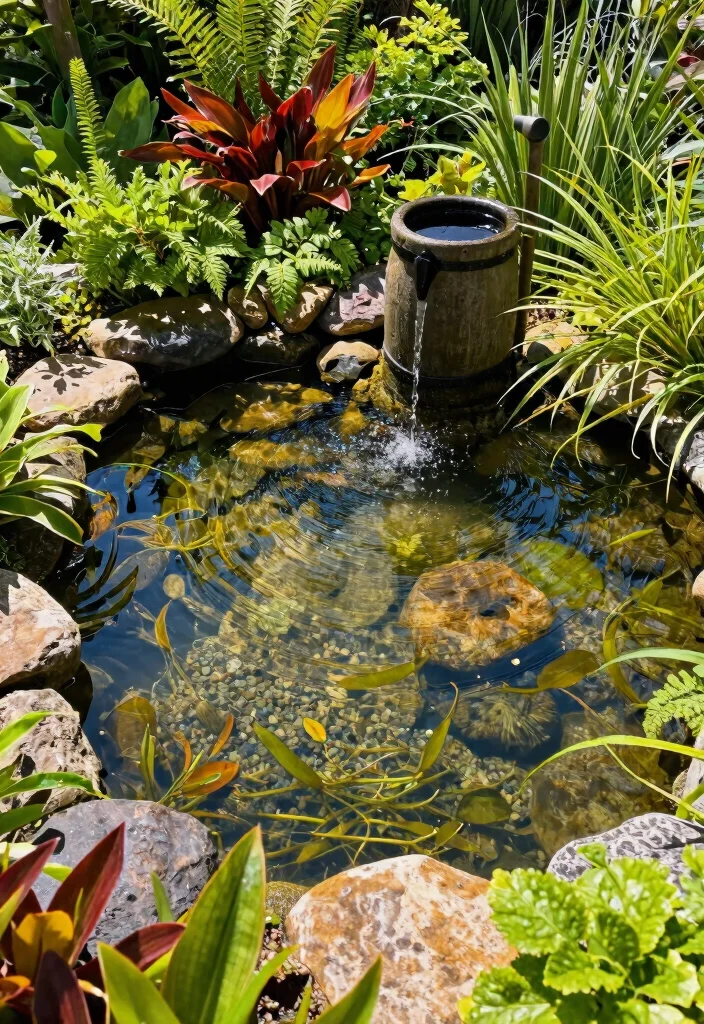
If you have a garden pond, a natural filtration system is vital for maintaining a healthy aquatic environment. Topping off your pond with rainwater not only conserves water but also enhances the ecosystem’s health. Combining biofilters with aquatic plants creates a balanced filtration system that cleans your pond naturally.
To achieve optimal results, incorporate aquatic plants that absorb excess nutrients, and use gravel and rocks to establish a natural filtration setup. Regular monitoring of water quality is essential for maintaining a thriving pond.
Key considerations for pond filtration:
– Use aquatic plants that help absorb nutrients.
– Create a natural filtration setup with gravel and rocks.
– Monitor water quality to ensure a healthy ecosystem.
This integration supports both your pond’s health and the surrounding garden ecosystem.
Fun fact: A balanced pond filtration system, powered by rainwater and aquatic plants, can cut weekly cleaning time by up to 40%. Pair it with gravel and biofilters—the best duck pond filter becomes a natural ecosystem friend, keeping water clearer and healthier.
8. Education and Community Involvement
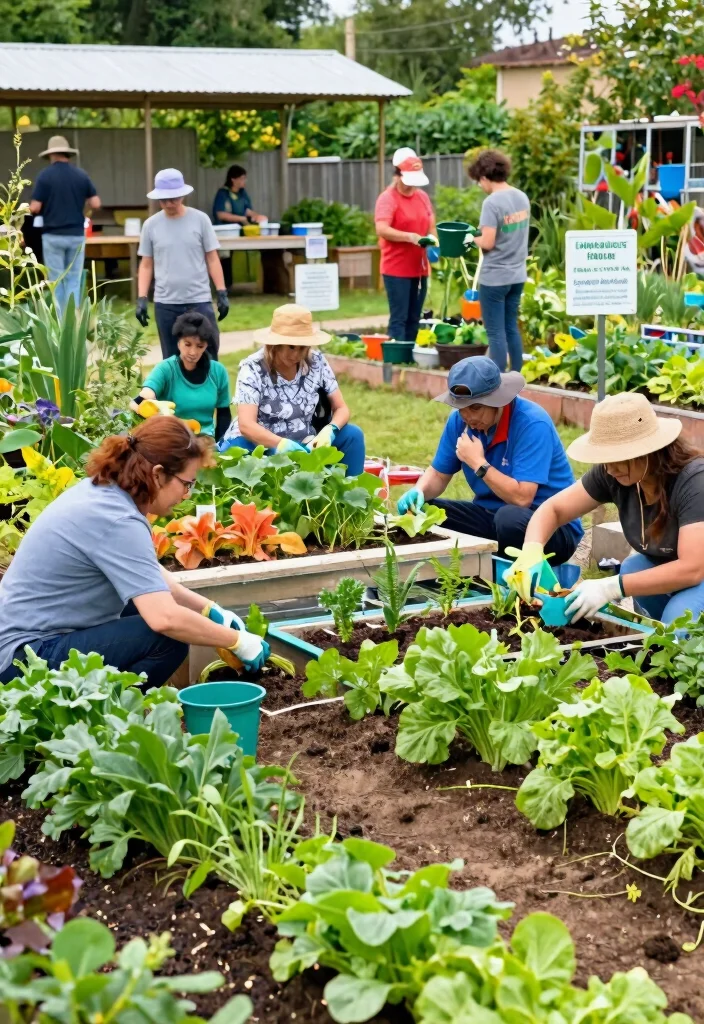
Joining a community effort can greatly enhance the impact of rainwater harvesting and sustainable gardening. Participate in local workshops or community gardens to learn and share knowledge about these practices. Educating others on the benefits of rainwater collection can inspire collective action, leading to a larger environmental impact.
To get involved in your community:
– Organize local cleanup events focused on rain garden creation.
– Share resources about sustainable gardening techniques.
– Collaborate on rainwater harvesting initiatives.
Creating a community around sustainability not only enhances your garden but also positively impacts the environment.
How To Choose the Right Drip Irrigation System
Choosing the best drip irrigation system for your garden can be a game changer for sustainable gardening. Here are some key factors to consider to ensure you make the right choice for rainwater collection and efficient watering of your plants.
1. System Size
The size of your drip irrigation system is crucial. You need to measure the area you want to irrigate. Consider the layout of your garden, including beds and rows. A larger garden may require multiple lines, while smaller spaces can work well with a simple setup. Use a measuring tape and take note of the dimensions to help you select a system that fits.
2. Material Quality
Drip irrigation systems come in various materials like polyethylene, PVC, and rubber. Polyethylene is lightweight and affordable but can wear out quickly. PVC is durable but may be less flexible. Rubber offers good flexibility and longevity. Choose a material based on your garden’s needs and how often you plan to use the system.
3. Emitters and Flow Rate
Different drip systems have varied emitter types and flow rates. Emitters are the small devices that allow water to drip out. Some are adjustable while others are fixed. Look for emitters that suit the water needs of your plants. For example, if you have delicate seedlings, choose emitters with a lower flow rate. If watering larger plants, higher flow rates may be necessary.
4. Budget Considerations
Your budget will play a significant role in your choice. Drip irrigation systems can range from economical kits to more complex setups. It’s essential to weigh how much you’re willing to invest. While you might want to go for a cheaper option, remember that a higher-quality system can save you money in the long run due to reduced water waste and better plant health.
5. Installation and Maintenance
Consider how easy the system is to install and maintain. Some systems come with clear instructions and all necessary components, making them user-friendly. Look for systems that require minimal upkeep, especially if you’re new to gardening. Regular maintenance can help prevent clogs and ensure efficient water delivery.
6. Compatibility with Rainwater Harvesting
If you’re incorporating rainwater harvesting into your garden, ensure your drip irrigation system can handle it. Some systems are specifically designed to work with rain barrels or tanks. Check if any additional filters or fittings are needed to connect your rainwater storage to the irrigation system effectively.
Pro Tip: Before purchasing, read reviews or seek recommendations from fellow gardeners. This will give you insights into which systems work well and any potential challenges you might face. A well-chosen drip irrigation system can save you time, water, and energy, making your gardening experience much more enjoyable!
9. Technology in Rainwater Management
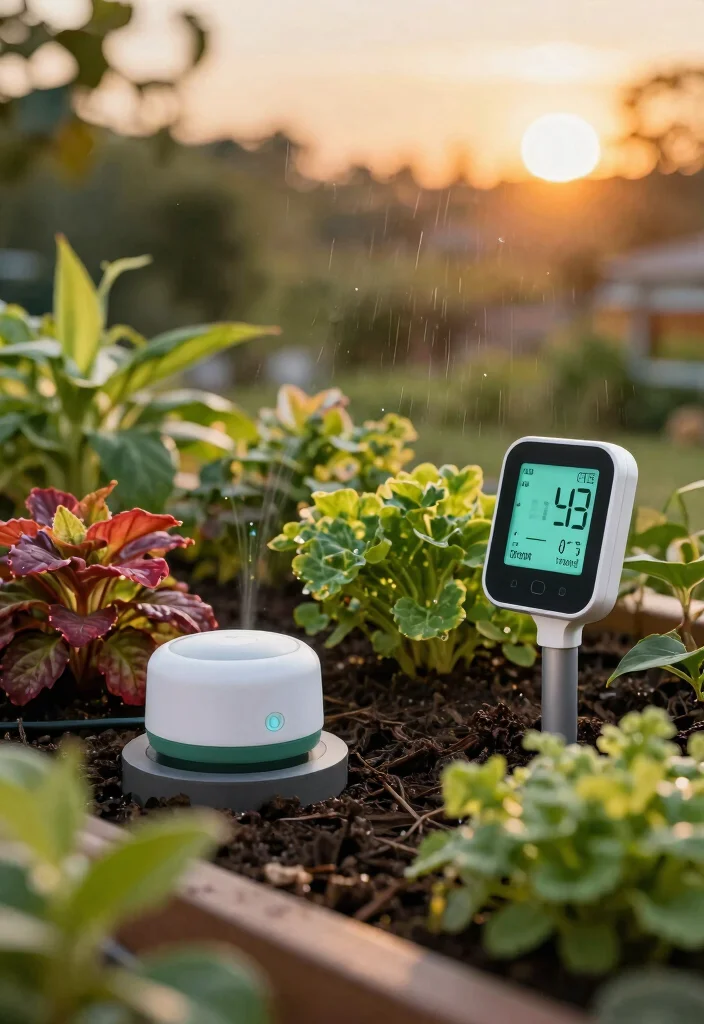
Embracing technology can significantly improve your rainwater management efforts. Smart irrigation systems monitor soil moisture and distribute water only as needed, saving resources. Additionally, apps can track rainfall levels, enabling you to optimize your water usage effectively.
Explore these technological options:
– Use moisture sensors to automate irrigation schedules.
– Consider rain gauge apps for real-time rainfall data.
– Investigate smart rain barrels that alert you when water levels change.
Integrating technology into your gardening practices not only conserves water but also adapts to the changing environmental landscape.
Smart irrigation systems monitor soil moisture and deliver water only where it’s needed, saving resources. Even the best duck pond filter benefits when rain data and real-time alerts guide your watering schedule. Apps tracking rainfall let you fine-tune schedules for healthy plants and a thriving garden.
Conclusion
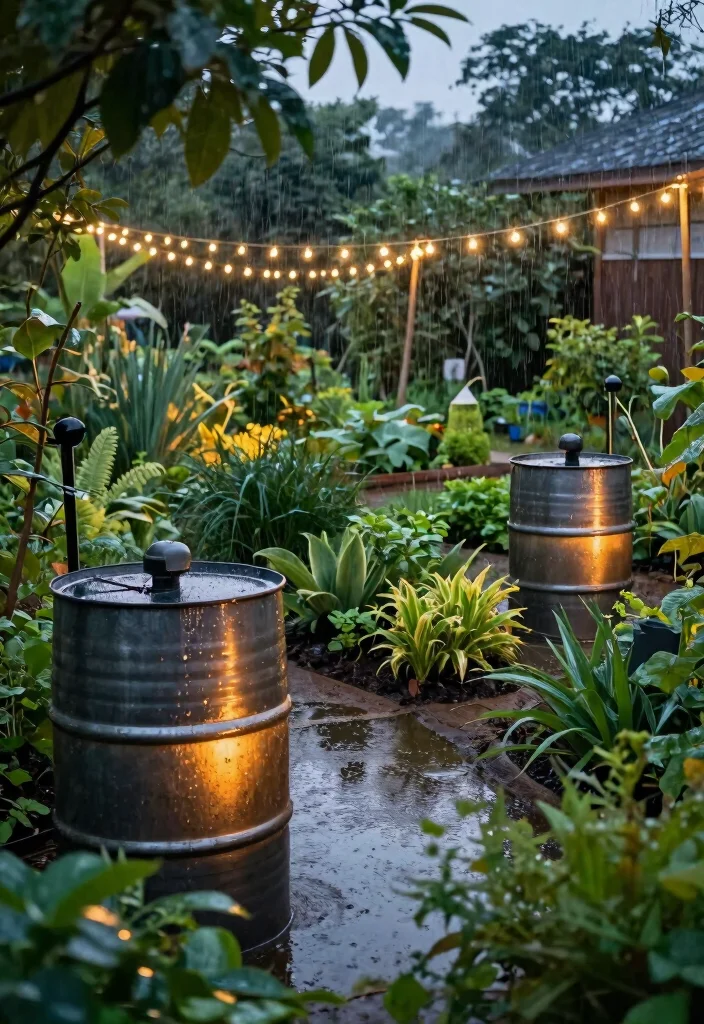
Adopting eco-friendly rainwater collection systems and drip irrigation techniques is a fantastic way to contribute to sustainable gardening. These methods not only save water but also create a thriving environment for your plants and local wildlife. By sharing these ideas and practices, you can inspire others in your community to embrace sustainability. Let’s work together to cultivate healthier gardens for a better future.
Note: We aim to provide accurate product links, but some may occasionally expire or become unavailable. If this happens, please search directly on Amazon for the product or a suitable alternative.
This post contains Amazon affiliate links, meaning we may earn a small commission if you purchase through our links, at no extra cost to you.
Frequently Asked Questions
What are the main benefits of using rainwater harvesting for sustainable gardening and drip irrigation?
Rainwater harvesting reduces reliance on municipal supplies, lowers water bills, and supports eco-friendly gardening practices.
In organic gardens, rainwater is often gentler on soils and beneficial for soil biology.
To start: set up a roof catchment, install a first-flush diverter, store water in a tank, and connect to drip irrigation systems with clean filters. Keep maintenance simple with a filter, a pressure regulator, and periodic seasonal checks. This approach aligns with sustainable gardening goals and helps plants thrive with chemical-free hydration.
How do I set up a rainwater collection system for drip irrigation in a small garden?
Start with a simple plan: collect from roof gutters into a tank, add a screen filter to keep debris out, install a first-flush diverter to minimize contaminants, and route water to your garden with gravity or a small pump.
Attach a filter and emitter lines for your drip irrigation systems, and place a pressure regulator if your water pressure varies.
Keep an eye on overflow and pest protection, and you’ll have a reliable, eco-friendly watering setup for your organic beds.
What maintenance steps keep a drip irrigation system efficient and eco-friendly?
Regularly clean or replace filters, check for clogged emitters, and inspect tubing for leaks.
Winterize where needed, mulch around plants to reduce evaporation, and use rainwater whenever possible to minimize municipal water use.
Schedule irrigation during early morning or late evening to reduce evaporation, and consider periodic soil moisture checks to avoid overwatering—all part of sustainable gardening.
Can rainwater harvesting support a year-round organic garden, and how should I plan storage and usage?
Yes, with smart storage and scheduling.
Estimate your garden’s water needs by season, size your tank capacity accordingly, and plan to use stored rainwater for most irrigation except peak heat days.
Use a simple timer and drip lines to deliver water efficiently to beds, raised planters, and container gardens. With careful planning you can keep an organic garden thriving year-round while conserving water and following eco-friendly gardening practices.
What are the best pond filtration solutions for a garden pond, and is there a ‘best duck pond filter’ to consider?
For garden ponds, choose a combination of mechanical and biological filtration to remove solids and nurture beneficial bacteria.
Popular pond filtration solutions include submersible pumps, biofilters, and skimmers that work well with rainwater-fed ponds.
If you have ducks, look for filters tested for duck ponds and consider the best duck pond filter that fits your pond size and flow needs. Pair your filtration with a stable aeration source and regular cleaning to keep water clear and healthy for both fish and wildlife.
![13 Custom DIY Outdoor Griddle Ideas [Built In Layouts]](https://roomeena.com/wp-content/uploads/2026/04/13-Custom-DIY-Outdoor-Griddle-Ideas-Built-In-Layouts-150x150.webp)