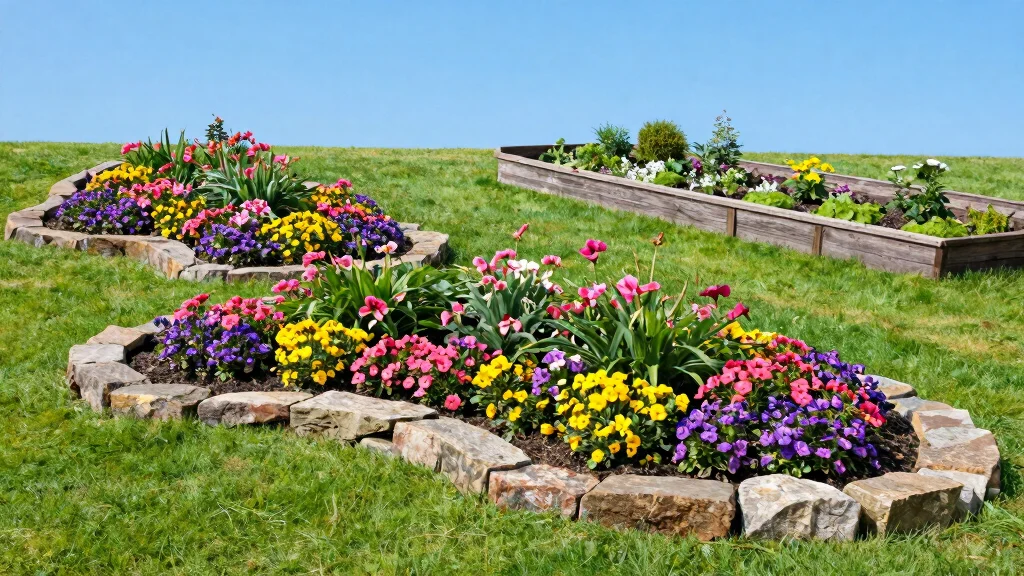
Creating a beautiful garden can feel like a never-ending task, especially when it comes to keeping everything neat and tidy. If you’ve been struggling with unruly edges and overgrown borders, you’re not alone. I made this post to spark your creativity and help you discover the best ways to define your garden spaces. With the right garden edger ideas, you can achieve that polished look you’ve been dreaming of.
This guide is perfect for homeowners, gardening enthusiasts, and anyone who takes pride in their outdoor space. If you love spending time in your yard or want to impress your neighbors with stunning outdoor decor, you’ll find plenty of inspiration here. Whether you’re a novice gardener or a seasoned pro, these ideas will add charm to your garden while making maintenance a breeze.
Inside this post, I’ve compiled 15 clever garden edger ideas that are practical, stylish, and sure to elevate your yard’s aesthetic. You’ll learn about various materials, from stone and brick to recycled options, that offer unique benefits. Get ready to transform the edges of your garden into a neat, defined space that draws the eye and enhances the overall beauty of your yard.
Key Takeaways
– Explore 15 creative garden edger ideas, ranging from natural stones to recycled materials, to enhance your yard’s beauty.
– Discover the advantages of different materials, including durability, cost, and aesthetic appeal, so you can choose what suits your needs best.
– Learn practical tips for installation and maintenance that will save you time and effort in the long run.
– Gain insight into how effective garden edging can improve your overall garden landscaping ideas and contribute to better pest control solutions.
– Find inspiration to mix and match materials, creating unique combinations that reflect your personal style and elevate your outdoor decor.
1. Stone Path Edgers
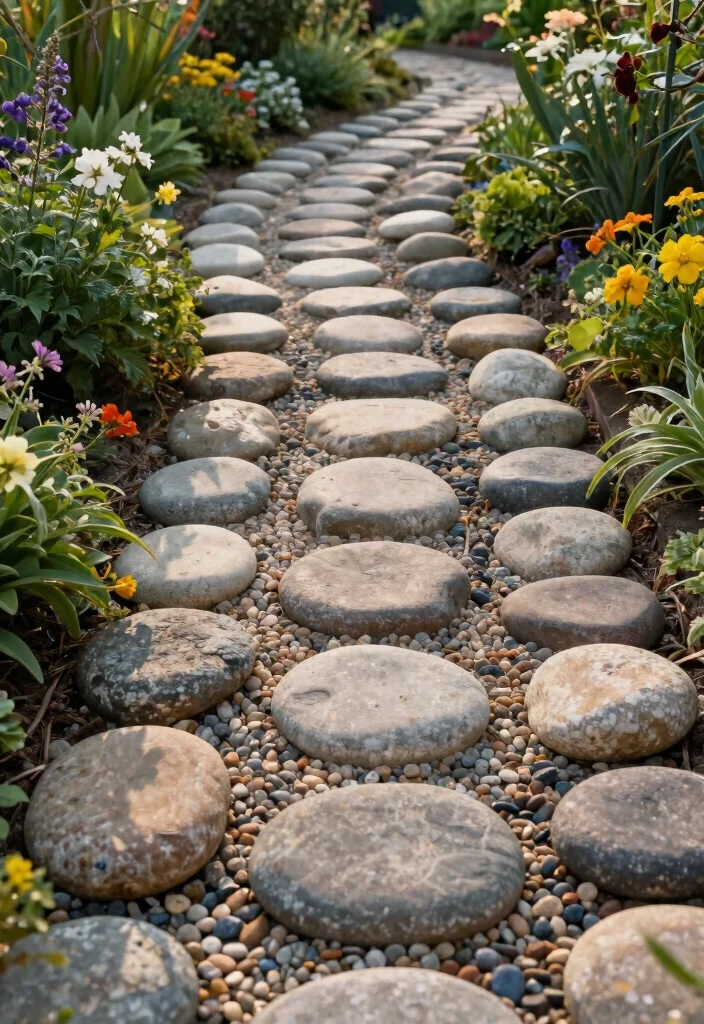
Looking to add a touch of elegance to your garden? Stone path edgers offer a classic way to define walkways while enhancing your landscape’s aesthetics. Whether you choose smooth river stones for a polished look or rugged boulders for a more natural feel, stone can guide visitors through your outdoor space beautifully.
These durable edgers withstand the elements and maintain their charm throughout the year. You can lay them in straight lines for a formal appearance or arrange them in a winding path for a more relaxed vibe.
Consider these tips for using stone edgers:
– Choose stones that match your garden’s color scheme.
– Mix various sizes for an organic look.
– Add gravel or mulch between stones for easy upkeep.
With their versatility, stone edgers can complement both rustic and modern gardens, ensuring your outdoor area remains attractive for years.
2. Brick Borders
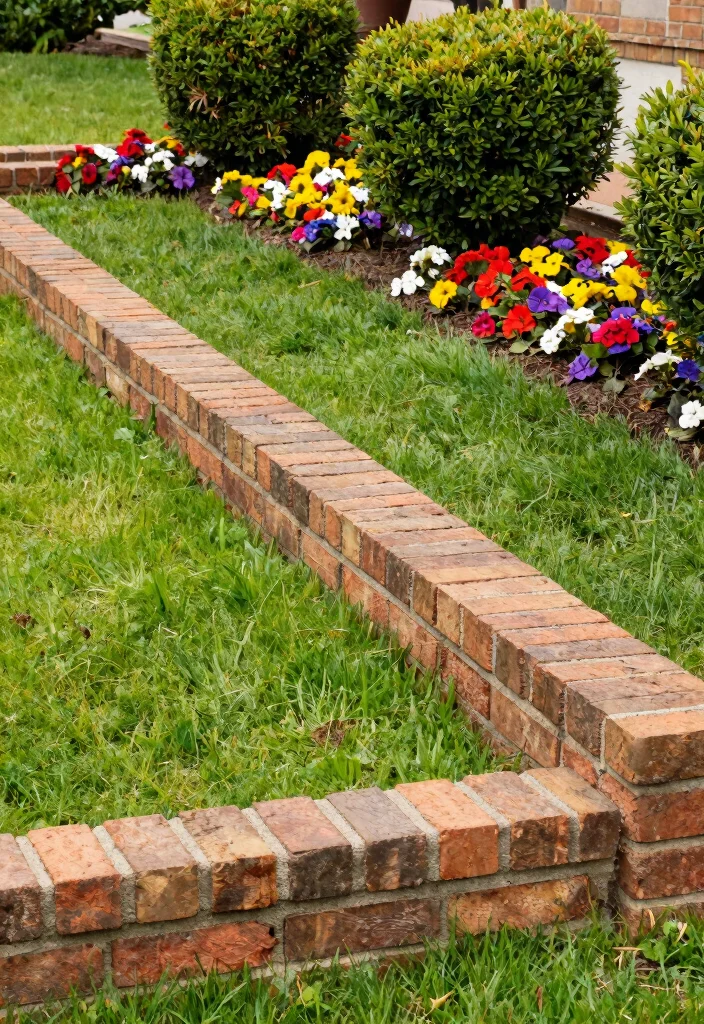
Want to create a defined, polished look in your garden? Brick borders are a sturdy choice that adds structure and charm to your landscape. Available in a variety of colors and styles, bricks can be arranged in simple lines or intricate patterns, making them adaptable to any garden design.
Bricks are incredibly versatile, complementing both modern and traditional homes. Stack them for height or lay them flat for a seamless finish that’s easy to maintain.
Here are some creative ways to use brick as an edger:
– Incorporate reclaimed bricks for a vintage feel.
– Create gentle curves for a softer appearance.
– Add a splash of color by painting select bricks.
With thoughtful planning, brick borders can elevate your garden’s sophistication and style.
Fun fact: Brick borders can add a crisp, defined edge to your garden in as little as 2 hours of work, and with proper care, they easily last 20+ years. Choose bricks in colors that match your home for instant charm.
3. Wooden Edging
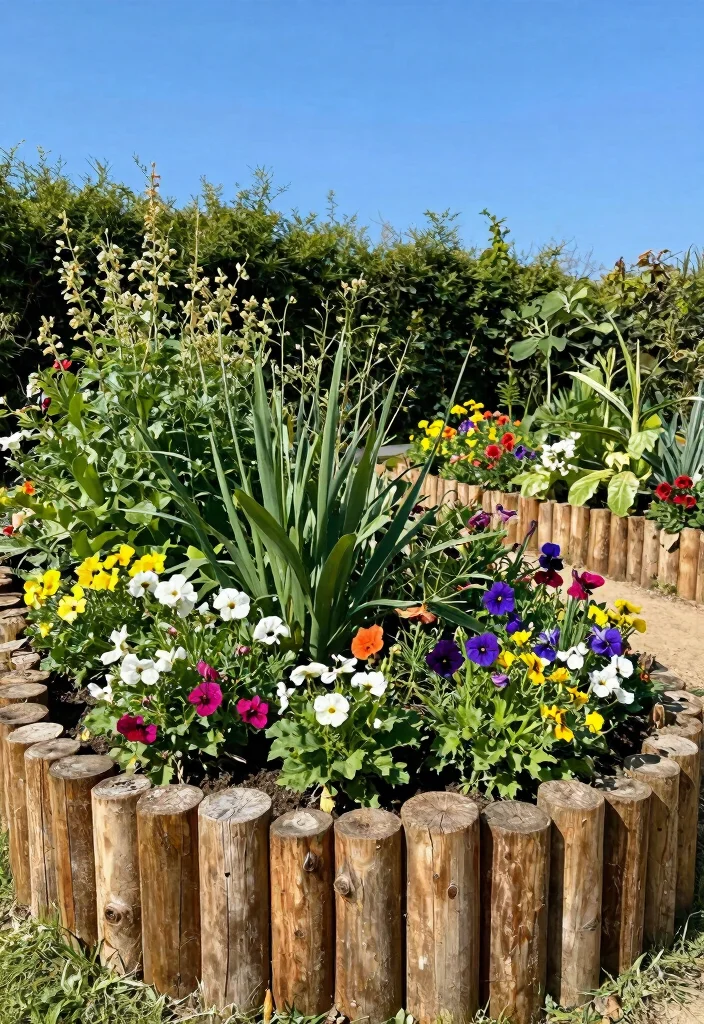
Seeking a rustic charm for your garden? Wooden edging is a wonderful option that adds warmth and character to any outdoor space. Whether you use treated timbers for durability or natural logs for an organic feel, wooden boards can create a charming barrier between your garden beds and lawn.
This type of edging is especially fitting in cottage gardens, blending seamlessly with lush greenery. You can paint or stain the wood to match your unique style.
Keep these maintenance tips in mind for wooden edging:
– Apply a protective sealant to extend its lifespan.
– Regularly inspect for rot or insect damage.
– Use leftover wood from projects for an eco-friendly choice.
Wooden edgers not only serve a practical purpose but also enhance the inviting atmosphere of your garden.
4. Metal Edgers
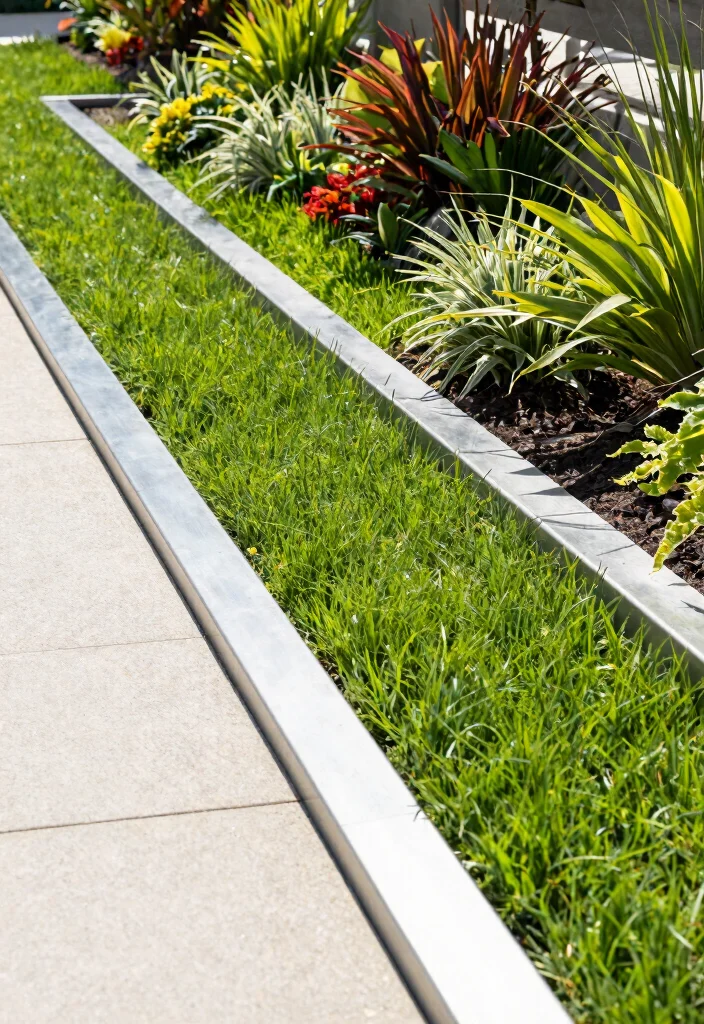
Looking for a modern touch in your garden? Metal edging is sleek and stylish, perfect for defining spaces without overshadowing your plant’s beauty. Made from materials like stainless steel or corten steel, these edgers maintain clean lines that enhance contemporary landscaping.
Metal is highly versatile; you can curve it or cut it to fit any design, making it ideal for various garden layouts.
Consider these benefits of metal edging:
– Exceptional durability against harsh weather.
– Minimal maintenance required for upkeep.
– Creates sharp, defined lines that look polished.
With a variety of finishes available, metal edging can easily complement the design of your home and garden.
Fun fact: Metal edging can last 20-30 years with minimal maintenance, keeping clean lines from lawn to mulch bed. Stainless or corten steel resists weather and won’t crumble like concrete. It’s easy to curve, cut, and create the modern garden boundary you want.
Key Trade-offs & Our Top Pick
When it comes to choosing the right garden edger, several options stand out. Each has its own advantages and drawbacks. Let’s break down the most popular choices so you can find the perfect fit for your garden.
Option 1: Stone Path Edgers
– Pros:
✔ Durable and long-lasting
✔ Offers a natural, rustic look
✔ Good for defining paths and garden borders
– Cons:
❌ Can be heavy and difficult to install
❌ Limited design flexibility
❌ Might require additional maintenance to keep clean
– Best for: Gardeners wanting a classic look and sturdy edges that will last for years.
Option 2: Brick Borders
– Pros:
✔ Versatile in design and can be laid in various patterns
✔ Provides excellent definition to garden beds
✔ Eco-friendly if using reclaimed bricks
– Cons:
❌ Installation can be time-consuming
❌ Can be expensive if purchasing new bricks
❌ Requires proper leveling for a neat finish
– Best for: Those looking for an attractive, customizable option that adds character to their yard.
Option 3: Metal Edgers
– Pros:
✔ Long-lasting and resistant to rust
✔ Creates clean lines and sharp edges
✔ Easy to install and maintain
– Cons:
❌ Might not blend well with all garden styles
❌ Can be prone to bending if not installed correctly
❌ Limited color options compared to other materials
– Best for: Gardeners who appreciate a modern look and want something low-maintenance.
Option 4: Natural Rock Edging
– Pros:
✔ Provides a rustic and earthy appeal
✔ Blends well with natural landscapes
✔ Can be sourced locally for lower costs
– Cons:
❌ Installation can be labor-intensive
❌ Varying sizes may create an uneven look
❌ Rocks can shift over time, requiring adjustments
– Best for: Those who prefer a more natural aesthetic and don’t mind a bit of extra work in installation.
Option 5: Recycled Materials
– Pros:
✔ Eco-friendly and cost-effective
✔ Unique designs based on available materials
✔ Supports sustainable practices in gardening
– Cons:
❌ Quality can vary based on the material
❌ May not be as durable as traditional options
❌ Can require more creativity in design
– Best for: Eco-conscious gardeners looking for budget-friendly and unique edging options.
Best Overall: Metal Edgers
Metal edgers are our top pick for most gardeners. They offer excellent value for money, as they are durable and easy to install. You’ll appreciate how clean and sharp your garden edges can look with minimal maintenance needed. These edgers hold up well against the elements and integrate seamlessly into various garden styles, making them a wise choice for long-lasting appeal.
Why We Picked This:
While metal edgers are ideal for most, you might prefer stone path edgers for their timeless charm or recycled materials if you lean towards eco-friendliness. Each option has its benefits, so consider what matters most for your garden to make the right choice.
5. Recycled Materials
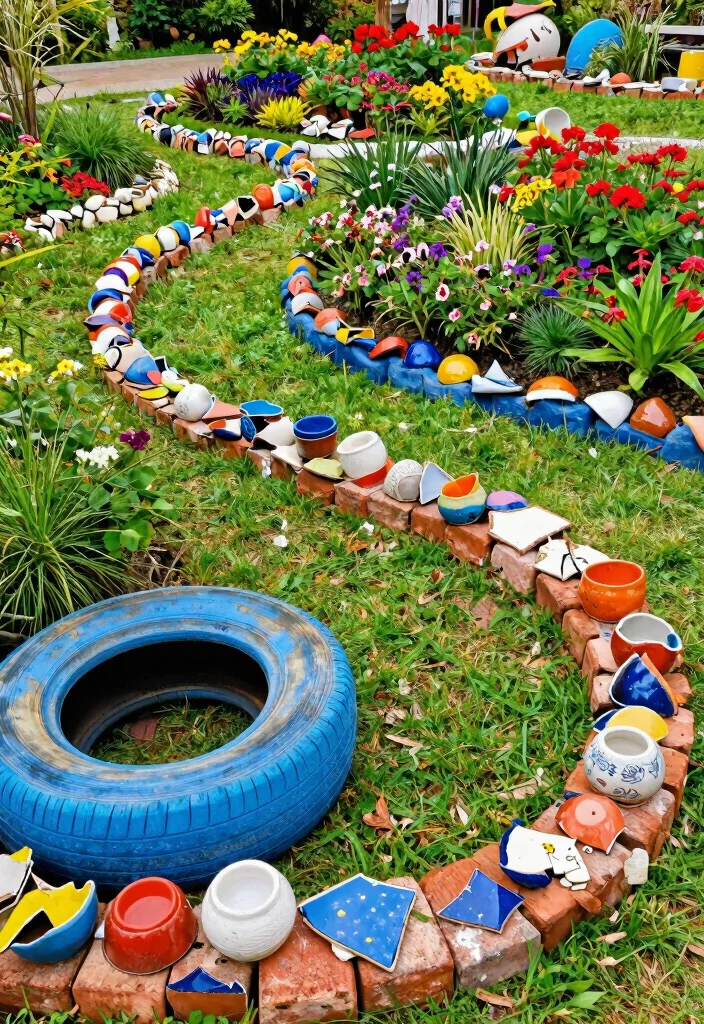
Unleash your creativity with recycled materials for your garden edging! You can repurpose items like old tires, broken pottery, or reclaimed wood to create unique and eco-friendly borders. This not only saves money but also supports sustainable gardening practices.
Using recycled materials opens up endless possibilities for design. For instance, you can paint old tires for a whimsical touch or arrange broken tiles into stunning mosaics.
Here are some fun ideas to get started:
– Craft a rustic fence from wooden pallets.
– Design a sculpture with broken bricks or tiles.
– Stack tires creatively for playful borders.
These materials not only enhance your garden’s aesthetic but also spark conversation among visitors.
6. Concrete Edging
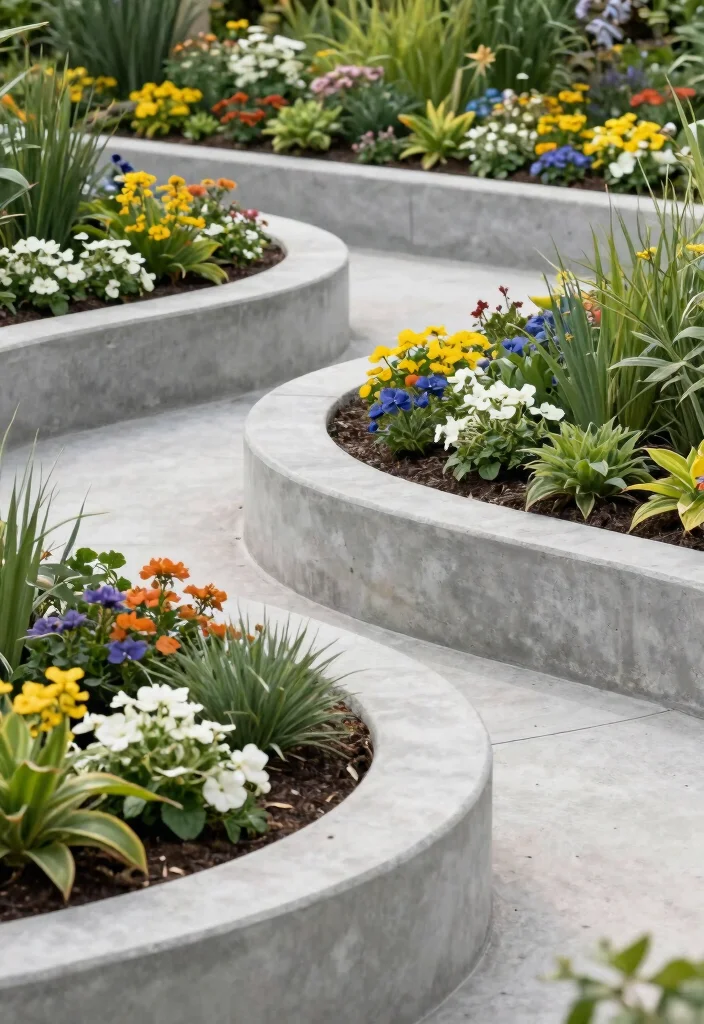
For a durable and long-lasting solution, concrete edging is an excellent choice. It can be molded into various shapes, offering customization options that fit your garden’s style. You can opt for poured concrete for a seamless finish or use pre-cast blocks for easier installation.
This edging effectively creates clean lines around flower beds and pathways while resisting wear and tear.
Here are some tips for using concrete edgers:
– Add color or texture for a personal touch.
– Choose a smooth finish for a contemporary appearance.
– Include drainage holes to prevent water accumulation.
Concrete edging promotes a polished look while ensuring longevity in your garden.
7. Paver Stones
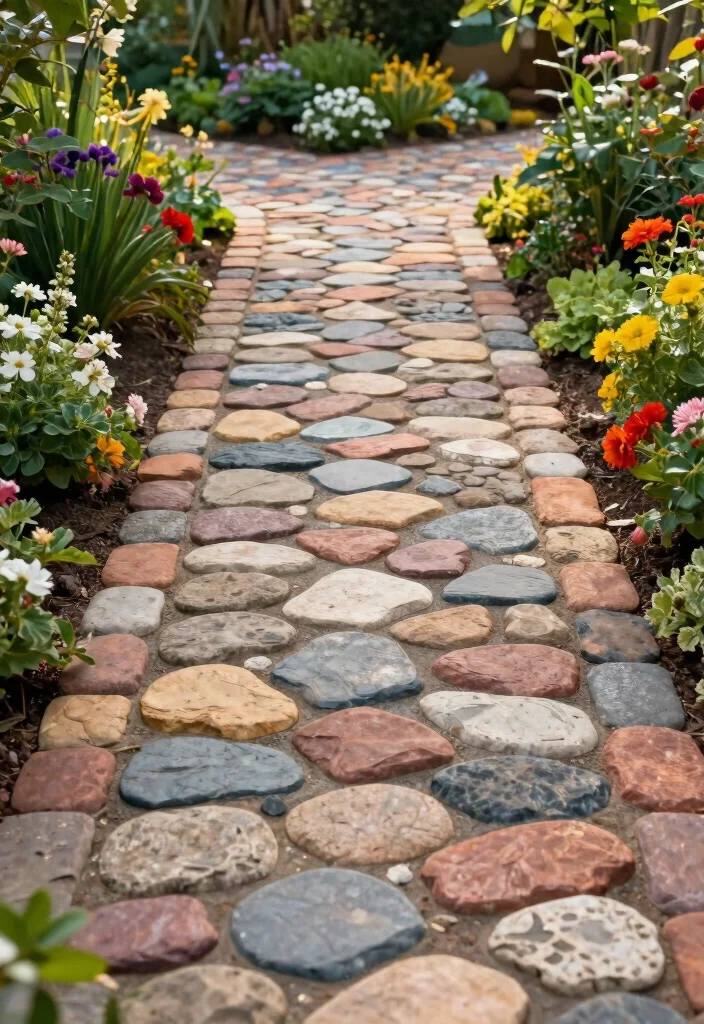
Elevate your garden’s design with paver stones as edging! Available in various sizes, shapes, and colors, pavers create stunning pathways and borders that add character to your landscape.
You can lay pavers in traditional patterns or get creative with unique designs, making your garden truly one-of-a-kind. With proper installation, paver stones can handle heavy foot traffic and environmental changes.
Keep these tips in mind when working with pavers:
– Mix colors for a distinctive look.
– Ensure the ground is level before installation.
– Use polymeric sand to prevent shifting between pavers.
Whether you choose classic cobblestones or modern flat pavers, these stones will enhance your garden’s overall appeal.
8. Grass Edging
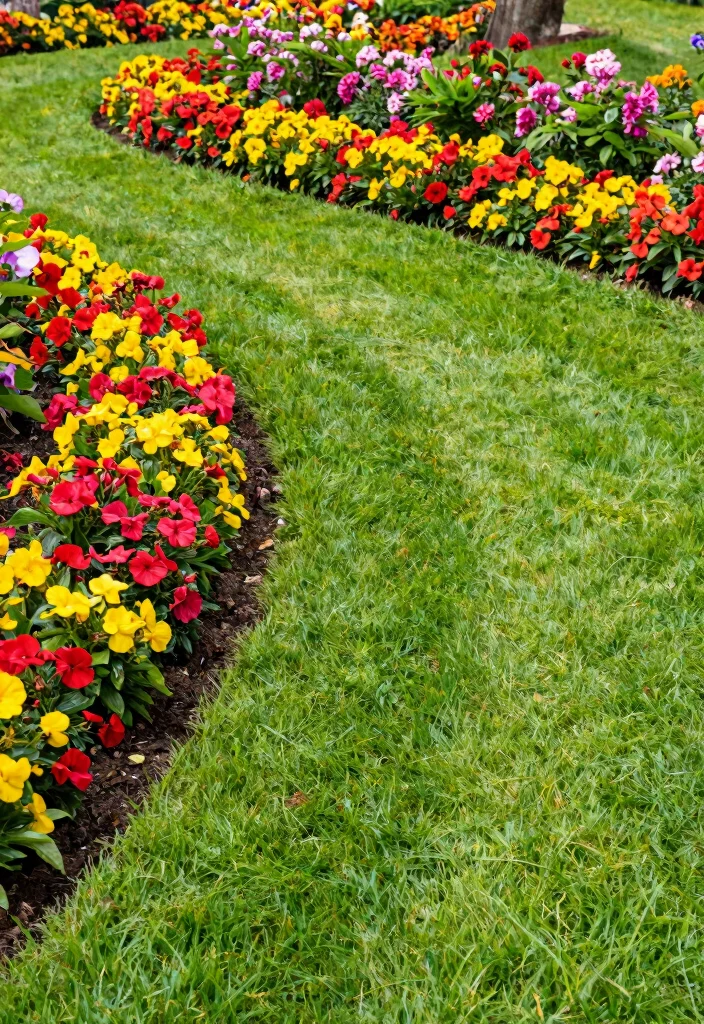
For a natural and eco-friendly approach, consider grass edging. By trimming grass into neat edges along flower beds or pathways, you create a fresh and clean look without the need for materials. This method is perfect for informal gardens, offering a soft transition between different areas.
Regular maintenance is key to keeping grass edging looking sharp.
Here are some practical tips:
– Use a string trimmer for precise cuts.
– Maintain consistent height to avoid overgrowth.
– Select decorative grass varieties for added texture.
With grass edging, your garden will exude a well-kept and cohesive appearance.
9. Decorative Stone
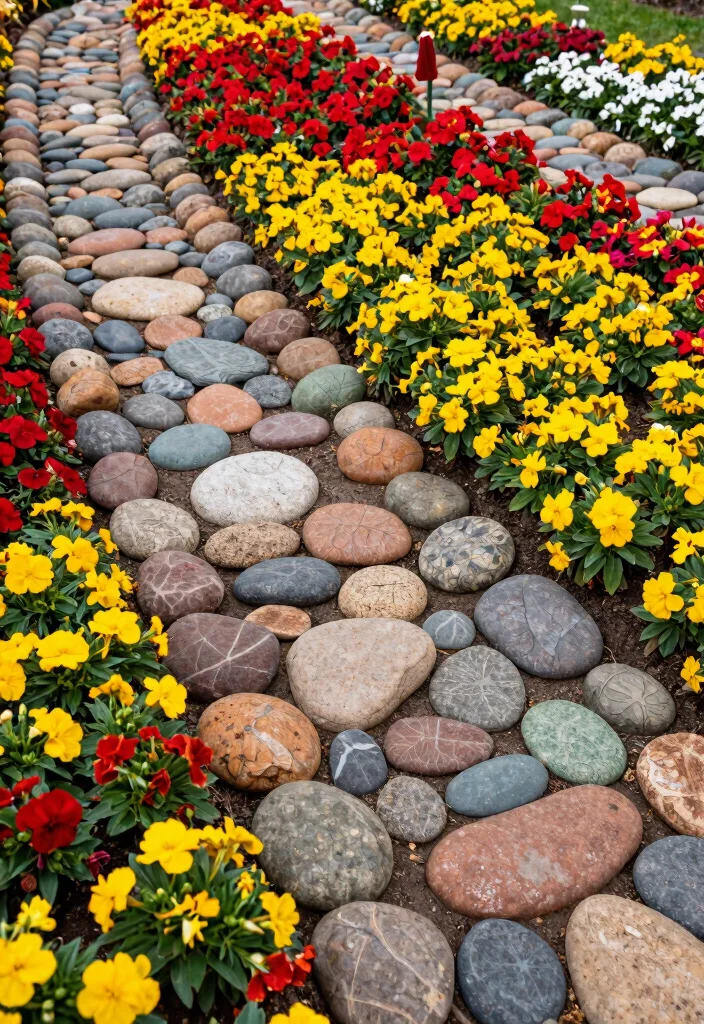
Enhance your garden’s décor with decorative stones as edging! These stones come in various colors, shapes, and sizes, allowing for creative combinations that elevate your landscape. Easy to install, they serve as borders for flower beds, pathways, or even fountains.
Beyond aesthetics, decorative stones also help with weed control and soil retention.
Here are some ideas for using decorative stones:
– Create a rock garden with assorted sizes.
– Use larger stones as standalone features.
– Combine with ground cover plants for added interest.
Decorative stones bring depth and visual appeal to your garden, ensuring it stands out beautifully.
Fun fact: decorative stones as edging can cut weed growth by up to 60% in the first season. Mix colors and sizes to create bold borders that guide blooms and foot traffic. Easy to install, they double as a stylish, practical weed barrier.
10. Gravel Edging
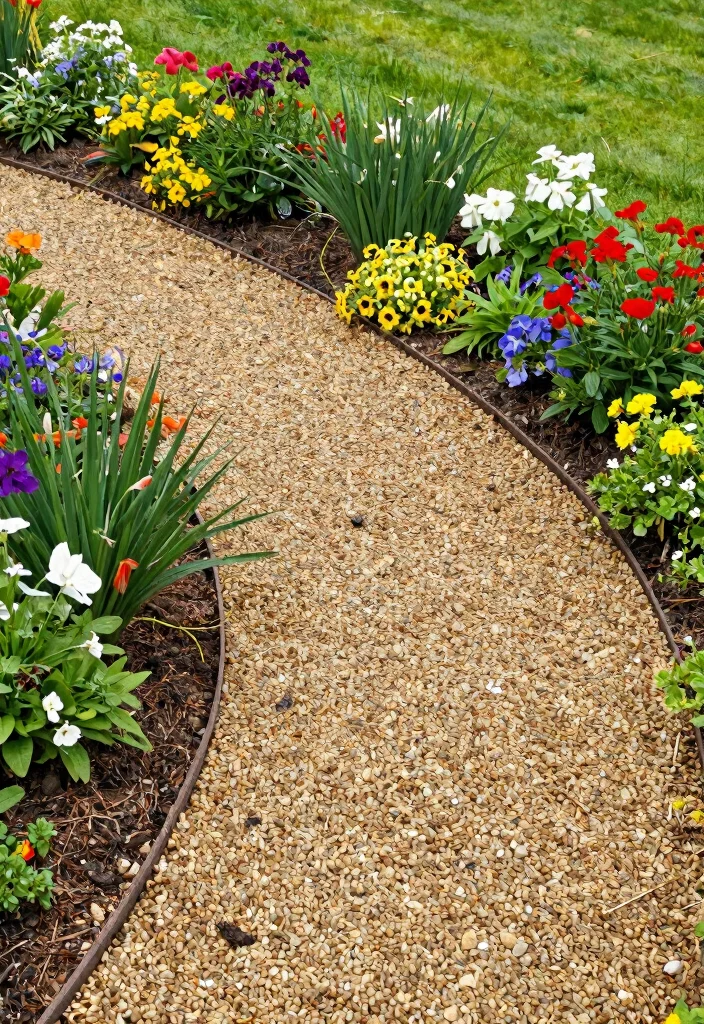
Gravel isn’t just for pathways! Gravel edging is an attractive and versatile solution for your garden. With its rustic charm, gravel enhances any style, from modern to traditional.
When used as edging, gravel creates a distinct separation while allowing for water drainage and preventing soil erosion.
Here are some tips for effective gravel use:
– Select a color that complements your plants.
– Use landscape fabric underneath to keep weeds at bay.
– Create sloped edges for a dynamic look.
With gravel edging, your garden can maintain a relaxed vibe while ensuring structural integrity.
11. Faux Stone Edging
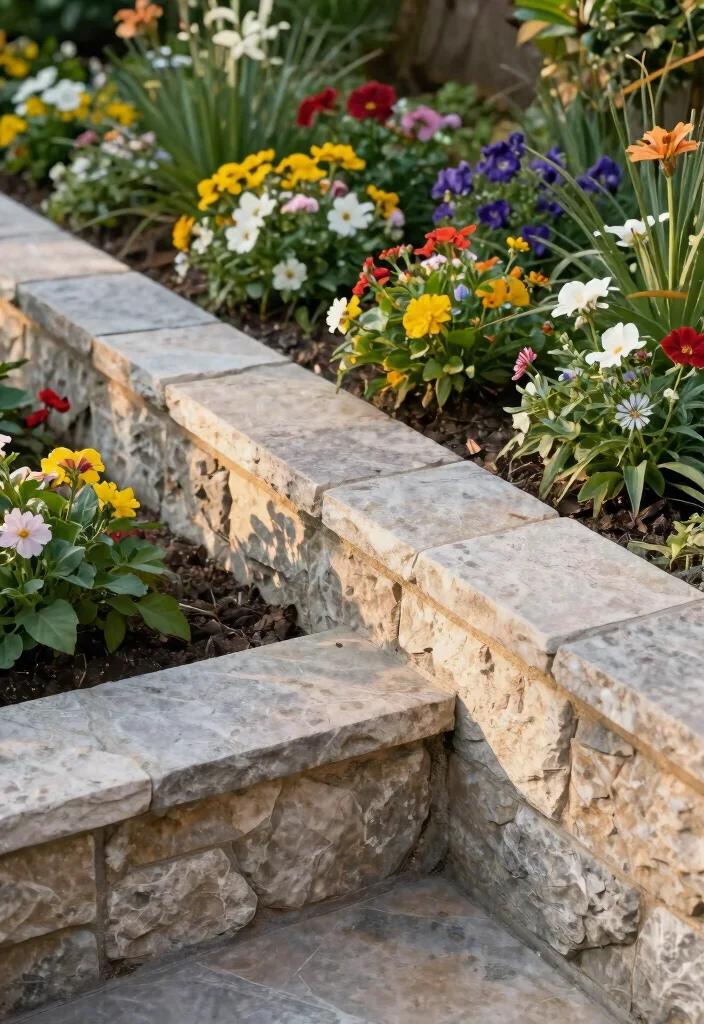
If you’re on a budget but want style, faux stone edging is a fantastic option. Made from lightweight materials that mimic real stone, these edgers come in a variety of styles and colors. They’re easy to install and require minimal maintenance, making them perfect for busy gardeners.
Faux stone edging fits seamlessly into different garden designs, from minimalist to ornate, offering durability that withstands the elements.
Consider the benefits of faux stone edging:
– Cost-effective compared to natural stone.
– Simple to shape and install.
– Lightweight for easy handling.
With faux stone edging, you can achieve an elegant look without overspending.
12. Terracotta Edging
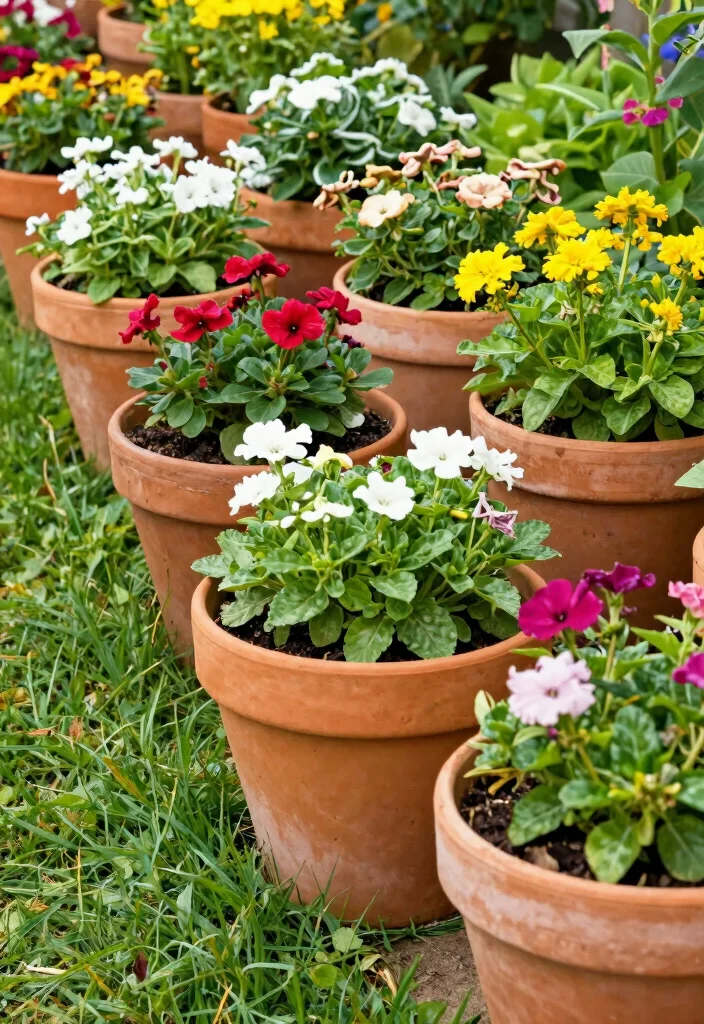
Repurpose terracotta pots as garden edging for a warm, rustic touch! These earthy-colored pots can be used upright or cut in half to line your beds, providing a unique alternative to traditional materials.
Terracotta is versatile too; you can paint them or leave them natural for a classic look.
Here are some tips for terracotta edging:
– Group pots of different sizes for visual interest.
– Use them to create whimsical paths.
– Plant small succulents or herbs for added charm.
Terracotta edging enhances your garden’s aesthetic while being functional and fun.
13. Natural Rock Edging
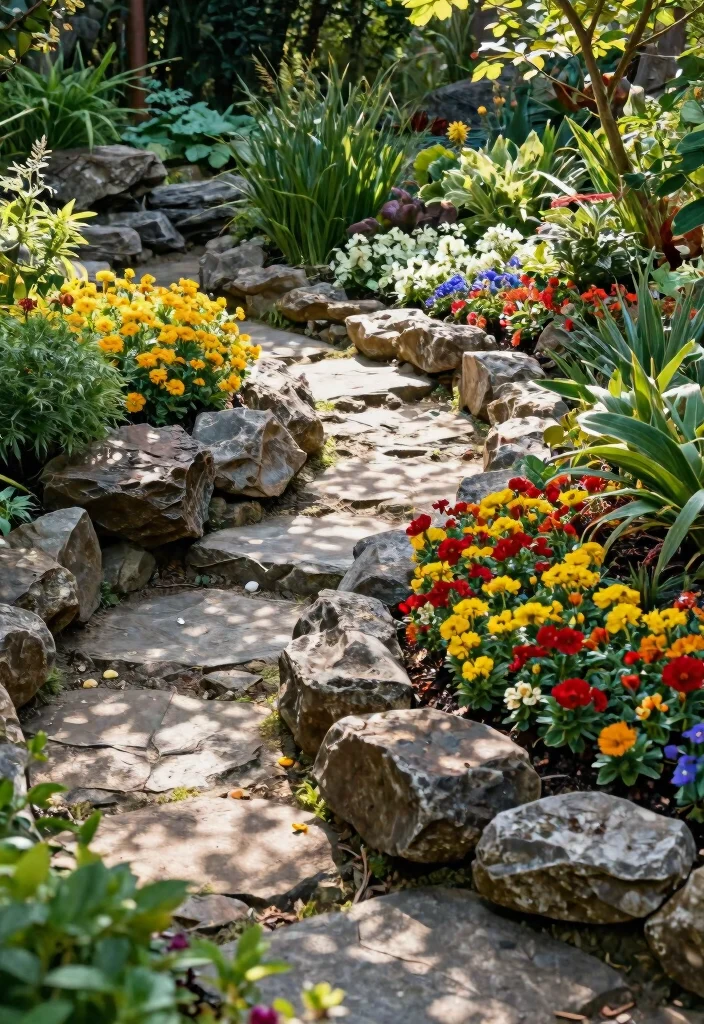
Looking for an organic touch? Natural rock edging is perfect for creating a stunning boundary that integrates beautifully with your garden. Sourced locally, these stones add texture and a raw beauty to your landscape, ideal for rustic or wild gardens.
You can stack or arrange natural rocks loosely, allowing for creative flexibility.
Here are some tips for using natural rock edgers:
– Choose stones of varying shapes and sizes for interest.
– Use larger stones as focal points.
– Incorporate small plants or moss for lush green contrast.
Natural rock edging offers an earthy feel, connecting your garden to nature.
14. Mixed Material Edging
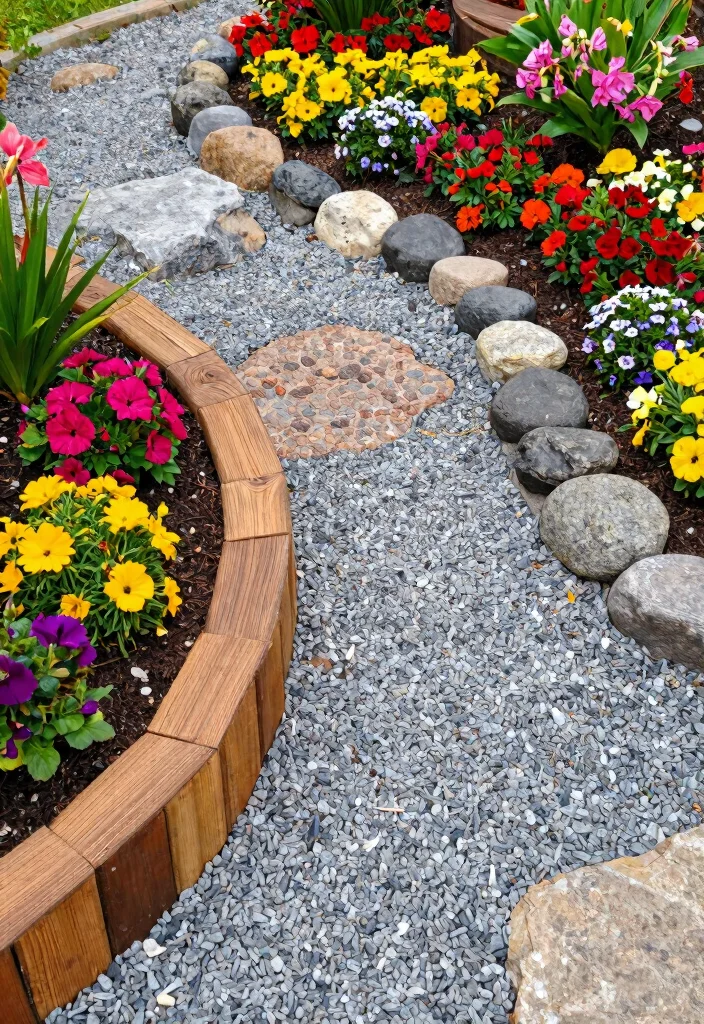
Why limit yourself to one type of edging? Mixed material edging allows you to blend different materials for depth and character in your garden. Pair stone with wood or metal with bricks to create unique, multi-dimensional borders that express your style.
This approach accommodates various plant types and garden themes, offering endless possibilities.
Consider these ideas for mixed material edging:
– Combine bricks with gravel for a rustic path.
– Pair wood with stones for a charming country look.
– Mix metal and concrete for a sleek modern border.
With mixed material edging, you can let your creativity shine while ensuring a functional garden.
15. Edging with Plants
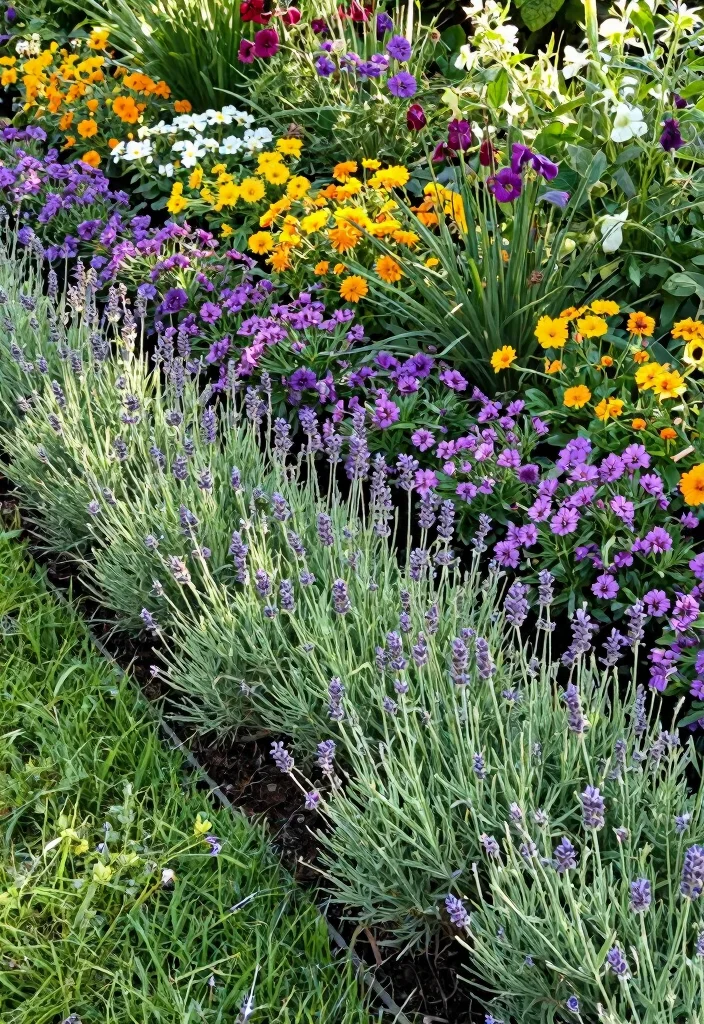
Last but not least, consider using plants as edging! Low-growing varieties like lavender or creeping thyme can form lovely living borders. This not only defines spaces but also adds fragrance and texture to your garden.
Plant edging softens hard lines and brings your garden to life, allowing for a gentle transition between areas.
Here are some great plant choices for edging:
– Low-maintenance perennials like sedum or ajuga.
– Aromatic herbs for a sensory experience.
– Colorful annual flowers for seasonal variety.
Using plants as edging creates a lush and inviting atmosphere, making your garden truly unique.
Conclusion
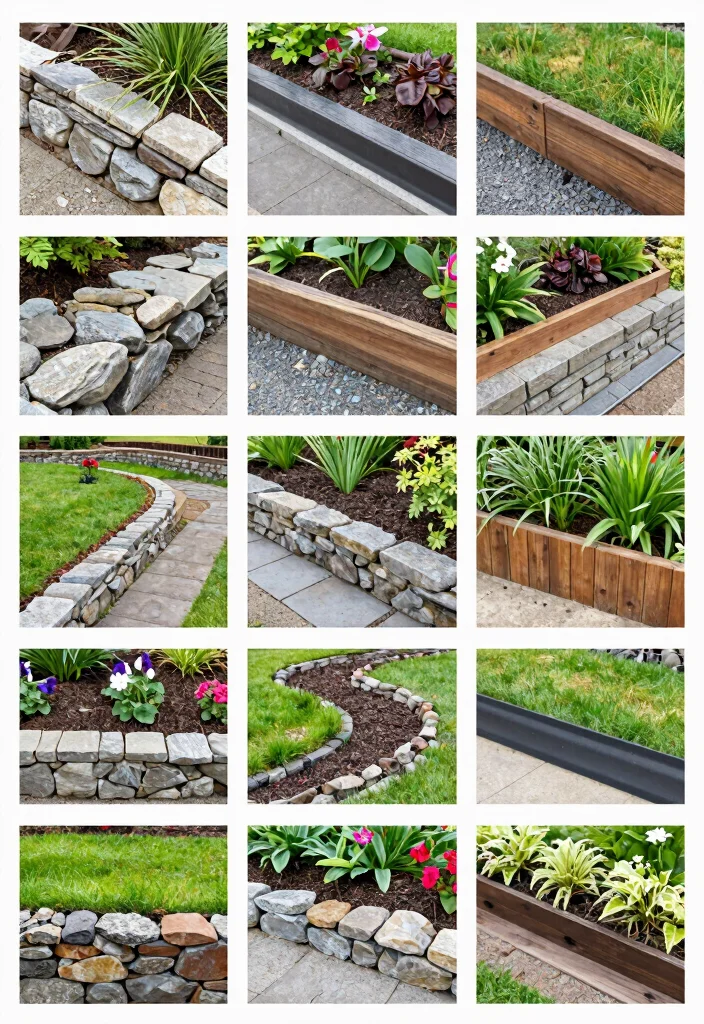
Creating a neat and organized yard not only enhances your outdoor space but also makes gardening easier and more enjoyable. With these 15 clever garden edger ideas, you’re bound to find a solution that suits your style, budget, and garden layout.
Whether you prefer the classic look of stone, the rustic charm of wood, or the creative flair of recycled materials, there’s an edging option for everyone. Happy gardening!
Note: We aim to provide accurate product links, but some may occasionally expire or become unavailable. If this happens, please search directly on Amazon for the product or a suitable alternative.
This post contains Amazon affiliate links, meaning we may earn a small commission if you purchase through our links, at no extra cost to you.
Frequently Asked Questions
What are the simplest garden edger ideas to create a neat yard quickly?
Here are a few simple garden edger ideas that can quickly give your yard a neat, pulled-together look:
1) Use flexible edging strips (plastic, metal, or rubber) to create crisp, defined borders along lawn edges and flower beds. Stakes and a rubber mallet will keep them in place for a clean line.
2) Favor straight lines for a modern vibe—mark the route with string and a line level to keep everything even.
3) Install a low brick, stone, or paver border to separate turf from mulch beds; this adds structure and helps with lawn care essentials by keeping mower lines neat.
4) Quick-curled or curved borders using landscape timbers or pre-formed edging can outline paths without heavy digging.
5) Create a simple raised-border bed using cedar edging and a fresh mulch color; it complements garden landscaping ideas and outdoor decor tips while reducing weed encroachment.
How can I blend edging projects with garden landscaping ideas and outdoor decor tips?
Blending edging with garden landscaping ideas and outdoor decor tips is all about choosing materials and shapes that complement your home and plant palette.
Match edging with your house trim color, then use decorative options like copper, stone, or brick to add curb appeal.
Keep borders narrow where you want a tidy look, or widen them for a lush, garden landscaping feel.
Plant along the edge with low-growing groundcovers to soften the line and help with pest control solutions by reducing exposed soil and weeds.
In outdoor decor tips, let the edging define zones—a gravel path, a seating area, and a herb bed—so the space feels intentional and easy to maintain.
Which edger ideas work best with lawn care essentials and garden maintenance hacks?
Edge design that supports lawn care essentials and garden maintenance hacks is all about staying sharp and weed-free.
Choose durable edging that holds its shape and keeps grass from creeping into beds—metal or rigid plastic edging works great for crisp lines.
Keep paths and borders mowed and re-checked after mowing to prevent gaps.
Use mulch or gravel to reduce weed growth along the border, and refresh mulch regularly to keep borders neat.
These practices fit into your garden maintenance hacks and help you maintain a clean look with less effort.
Are there eco-friendly edging options that aid pest control and support indoor pest control for gardeners?
Yes—eco-friendly edging options can also support pest control.
Natural materials like stone, brick, or copper not only look great but deter certain pests and stop weeds from wicking moisture into beds. Copper edging can be especially handy against slugs and snails in damp zones.
Pair edging with thick mulch and beneficial plantings to create a physical and ecological barrier that minimizes pests while keeping your lawn tidy.
And if you’re managing indoor spaces like a greenhouse or potting shed, the best indoor bug zapper can help control flying insects without chemicals.
What tools do I need and how do I maintain edging so it stays sharp all season?
Tools you’ll want: a sharp spade or edging tool, an oscillating edger (manual or power), a rubber mallet, stakes, a level, tape measure, gloves, and a supply of mulch or decorative stone.
Maintenance steps: mark your borders, cut along the line, place and secure edging, and backfill with soil or mulch.
Seasonal upkeep: trim edges after mowing, re-secure any loose stakes, weed the border regularly, and refresh mulch or decorative rock to keep the line crisp and tidy.

![13 Custom DIY Outdoor Griddle Ideas [Built In Layouts]](https://roomeena.com/wp-content/uploads/2026/04/13-Custom-DIY-Outdoor-Griddle-Ideas-Built-In-Layouts-150x150.webp)