Spring is here, and if you’re like me, you’re buzzing with excitement about nurturing your garden. The sensation of soft soil beneath your fingers and the anticipation of vibrant blooms is hard to beat. Yet, as lovely as it is to watch your plants thrive, the task of watering can sometimes feel daunting. I created this post to help you transform your watering routine into something smart, efficient, and sustainable.
If you’re a gardening enthusiast who wants to take your home garden maintenance to the next level, you’re in for a treat. This guide is tailored for anyone who cares about their plants and the environment. Whether you’re a seasoned gardener or just starting, these ideas will inspire you to adopt better gardening practices. You’ll discover 11 clever watering techniques, including DIY rainwater harvesting and smart irrigation controllers, that are not just effective but easy to implement.
By the end of this post, you’ll have a toolkit of practical methods for conserving water and ensuring your garden flourishes. You’ll learn about various sustainable aquatic gardening techniques that make it easy to keep your garden green without wasting resources. Let’s dig in and explore these smart watering garden ideas for your drip irrigation setup!
Key Takeaways
– Discover 11 innovative watering techniques that will help you care for your garden sustainably and effectively.
– Learn about DIY rainwater harvesting systems to reduce your water bill while benefiting the environment.
– Explore the benefits of soil moisture sensors that ensure your plants receive the precise amount of water they need.
– Gain insights into greywater recycling systems that can help you reuse water from your home for irrigation purposes.
– Uncover the power of smart irrigation controllers, which can automate your watering schedule based on real-time weather conditions.
1. DIY Rainwater Harvesting System
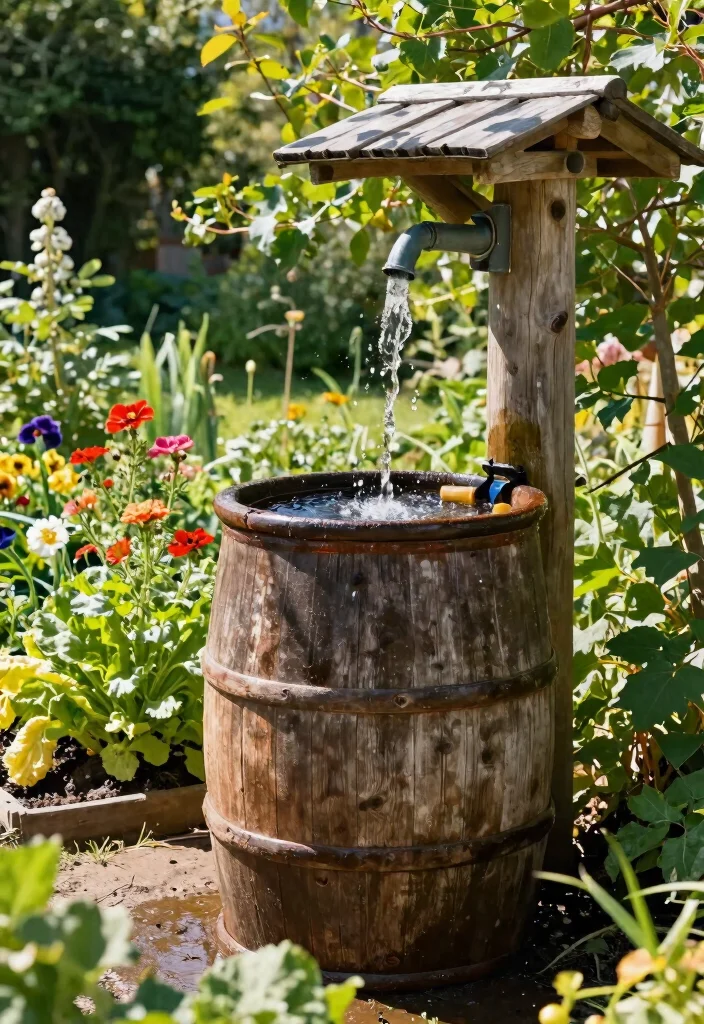
Discover how you can capture rainwater and make it work for you with a DIY rainwater harvesting system. This sustainable method allows you to collect rainwater from your roof and store it in barrels or cisterns, helping you save on water costs while providing your garden with much-needed hydration. Imagine having a free source of water for your plants while also protecting the environment.
To get started, gather a few rain barrels, downspout diverters, and some basic plumbing tools. Place your barrels in strategic spots to maximize rain capture and consider adding a simple filter to keep debris out of your water supply. By using harvested rainwater, you can sustain your garden even during dry spells, promoting a healthier ecosystem.
Key benefits of rainwater harvesting:
– Reduces water bills by utilizing natural resources
– Encourages sustainable practices for eco-friendly gardening
– Provides pure water free from chemicals for your plants
Essential tips for a successful setup:
– Position barrels in shaded areas to prevent algae growth
– Regularly clean the system to maintain efficiency
– Follow local regulations regarding rainwater collection
Implementing this system not only helps your garden thrive but also contributes to a more sustainable lifestyle.
2. Drip Irrigation Kit for Container Gardens
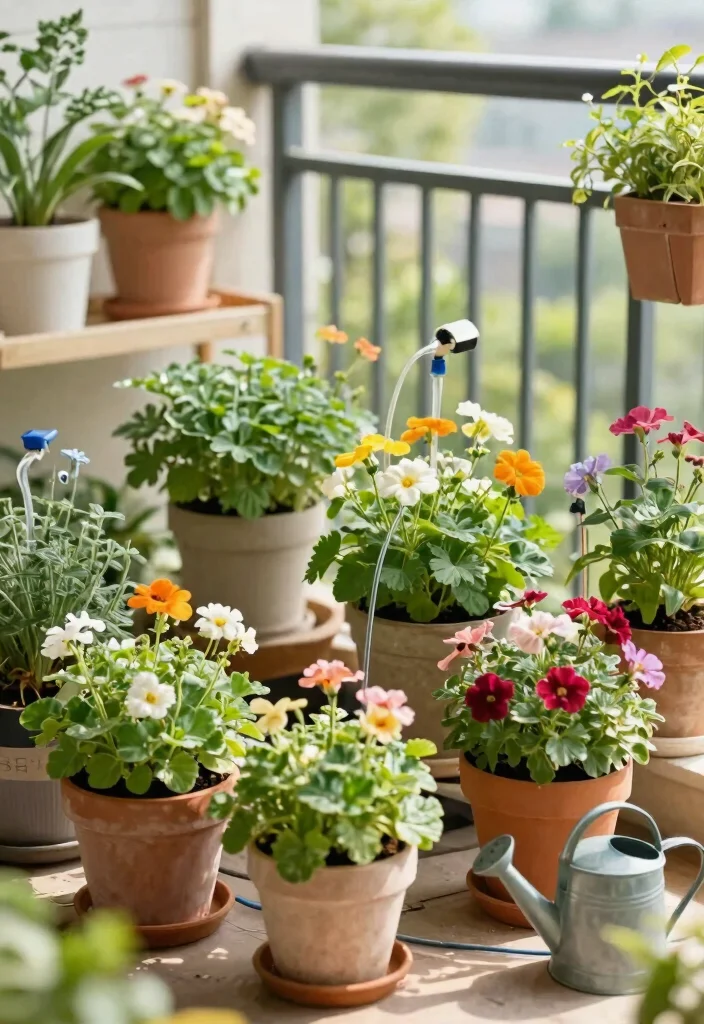
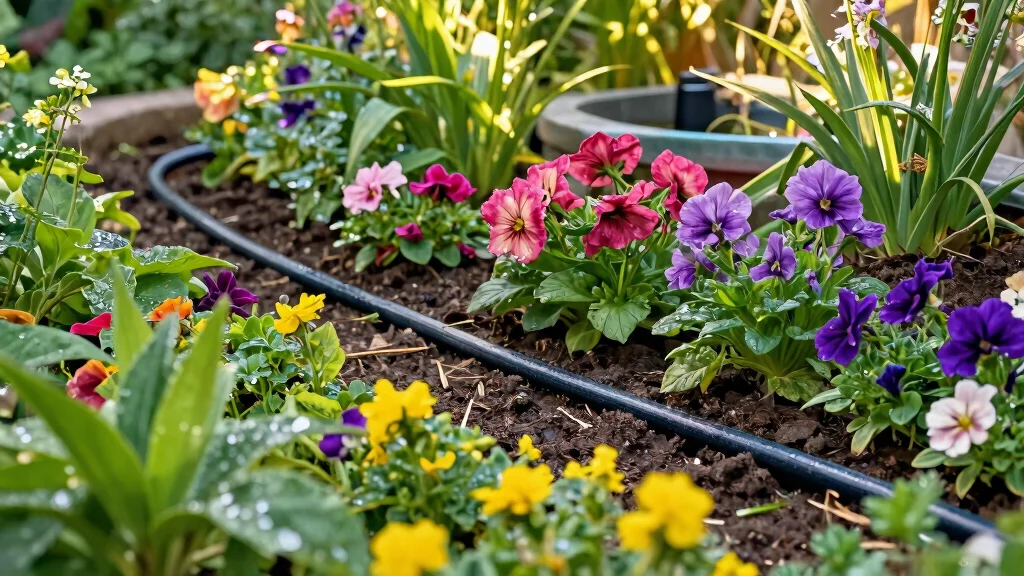
If you’re managing a small space, a drip irrigation kit can revolutionize your container gardening experience. These kits ensure that your potted plants receive the right amount of water without wasting a drop. By delivering moisture directly to the roots, you minimize evaporation and keep your plants consistently hydrated.
Most kits come equipped with flexible tubing, emitters, and stakes for easy installation. Simply connect the tubing to a faucet or rain barrel, and place the emitters around your containers for maximum efficiency. This method saves both time and water, making it a smart choice for busy gardeners.
Benefits of a drip irrigation kit:
– Saves time by automating watering
– Encourages deeper root growth for healthier plants
– Enhances overall plant health with consistent moisture
Helpful tips for effective use:
– Adjust emitter flow rates based on plant needs
– Ensure even coverage for all pots
– Check emitters regularly for clogs
Using a drip irrigation kit allows you to cultivate thriving plants while conserving water and effort.
3. Soil Moisture Sensors
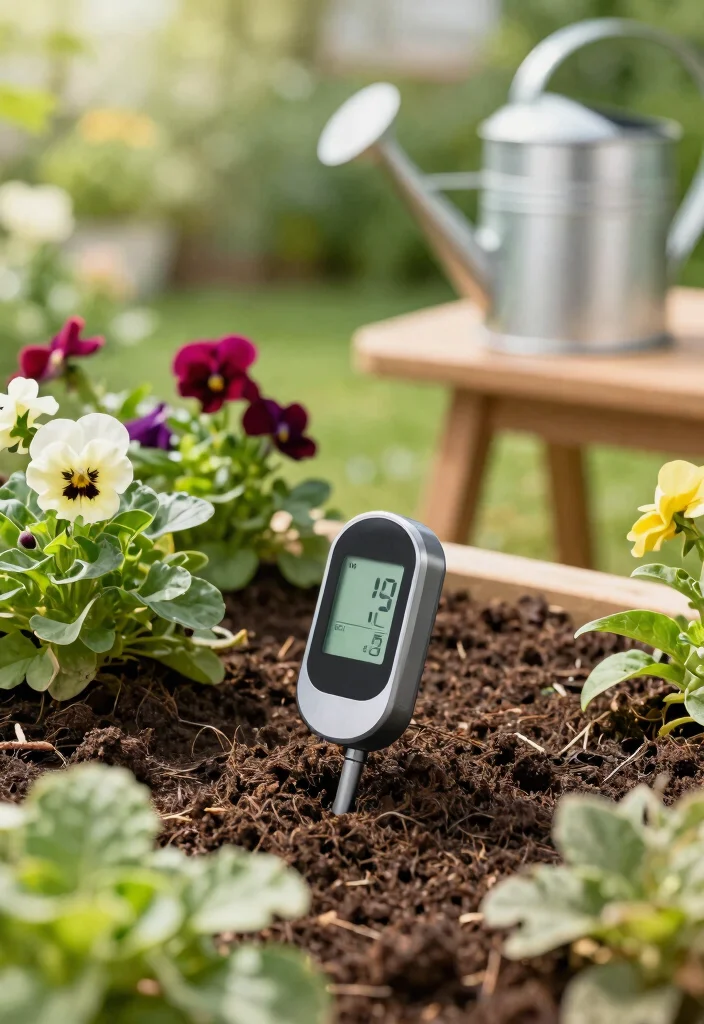
Enhancing your gardening skills can be as simple as investing in soil moisture sensors. These smart devices take the guesswork out of watering, giving you real-time insights into soil moisture levels. With a sensor, you can easily determine when your plants truly need hydration, which helps prevent overwatering.
Many modern sensors can sync with your smartphone, providing alerts when moisture levels drop. This level of precision promotes targeted watering, reduces waste, and encourages robust plant growth. By integrating this technology, you can fine-tune your watering schedule to meet the specific needs of your garden.
Key benefits of soil moisture sensors:
– Reduces water waste by ensuring precise watering
– Promotes plant health through proper hydration
– Saves time by automating monitoring
Tips for optimal use:
– Place sensors at different depths to gauge moisture accurately
– Use in the driest areas of your garden
– Consider battery life when selecting models
By utilizing soil moisture sensors, you can cultivate a healthier garden while conserving water resources.
4. Greywater Recycling Systems
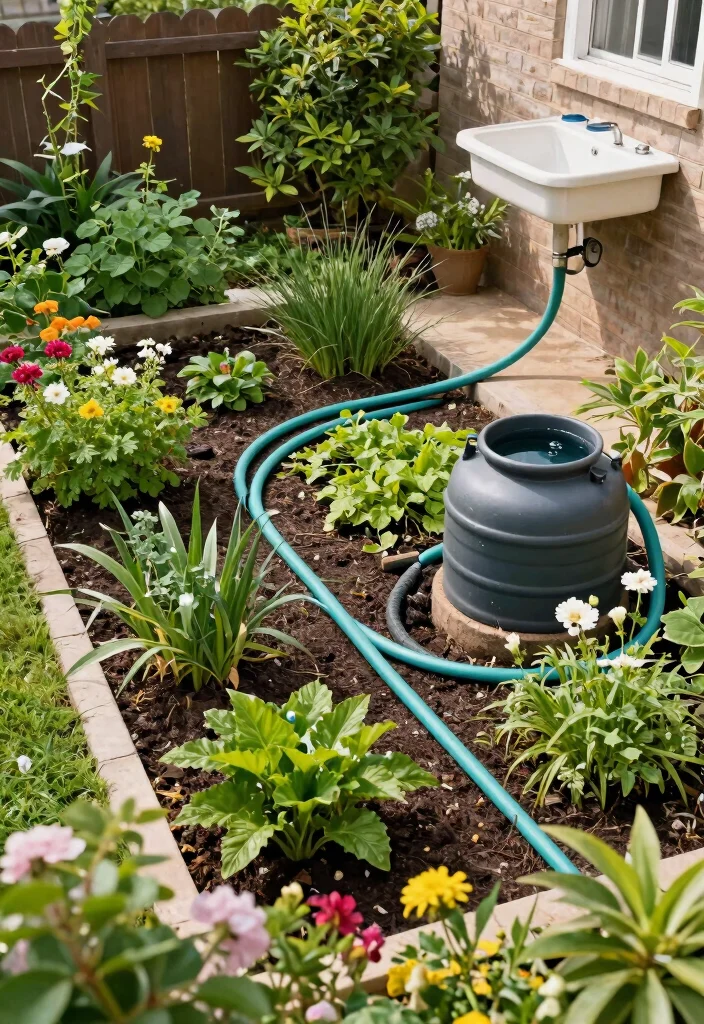
Make your garden flourish by harnessing the power of greywater recycling systems. This clever approach allows you to reuse water from sinks, showers, and washing machines to nourish your plants while conserving fresh water. It’s a sustainable, eco-friendly solution that helps reduce waste and water bills.
To implement this system, direct greywater through filters before it reaches your garden. Ensure that the water is safe for plants by avoiding harsh detergents. You can create a simple setup with a diverter and storage tanks, allowing you to recycle water that would otherwise go down the drain.
Benefits of greywater recycling:
– Reduces water waste by reusing resources
– Utilizes otherwise discarded water for irrigation
– Saves on bills by lowering water consumption
Important tips for success:
– Monitor what goes down your drains for best results
– Use natural soaps to ensure plant health
– Check local regulations regarding greywater use
By adopting a greywater recycling system, you can sustain a thriving garden while being mindful of water conservation.
5. Smart Irrigation Controllers
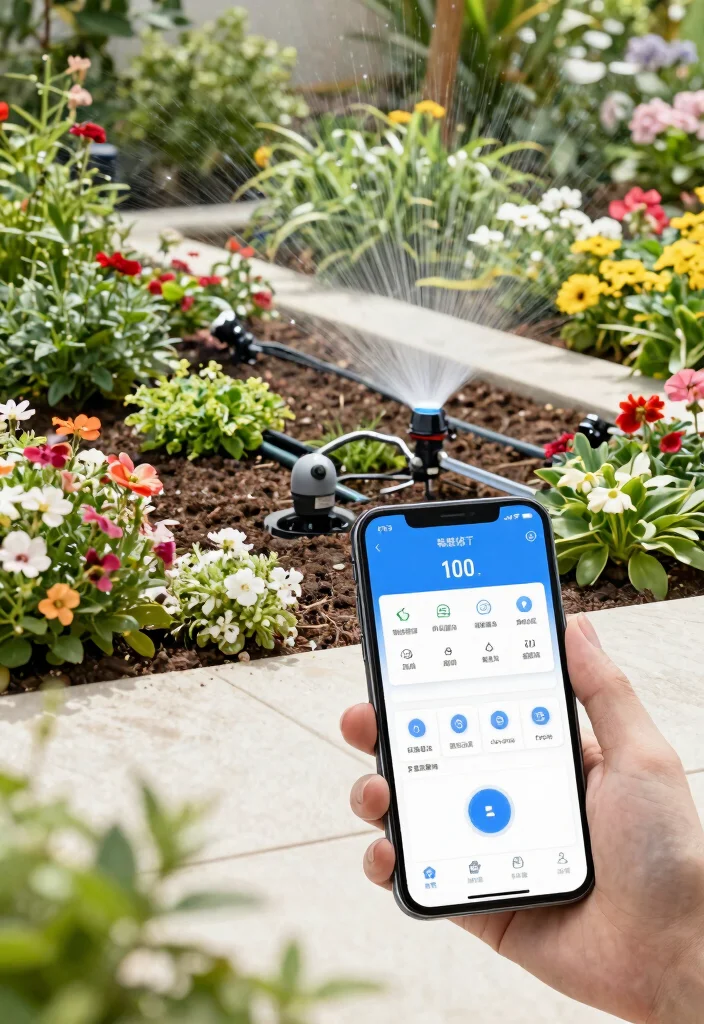
Elevate your gardening game with smart irrigation controllers that adjust watering schedules based on real-time weather data. These devices ensure that your plants receive just the right amount of moisture, preventing both under- and over-watering. With features like moisture sensors and drip irrigation compatibility, they cater to even the busiest gardeners.
Most smart controllers can be operated via smartphone apps, allowing you to monitor and manage your watering system from anywhere. They automatically adapt to changing weather conditions, reducing water usage while promoting a healthy garden environment. While setup may require initial effort, the long-term benefits are significant.
Key advantages of smart irrigation controllers:
– Saves water by adjusting to weather conditions
– Optimizes plant health through proper watering
– Offers remote monitoring for convenience
Tips for effective installation:
– Choose models compatible with existing systems
– Look for user-friendly apps for easy management
– Consider initial costs vs. long-term savings
Incorporating a smart irrigation controller into your gardening routine enhances efficiency and promotes a sustainable approach.
6. Mulching for Moisture Retention
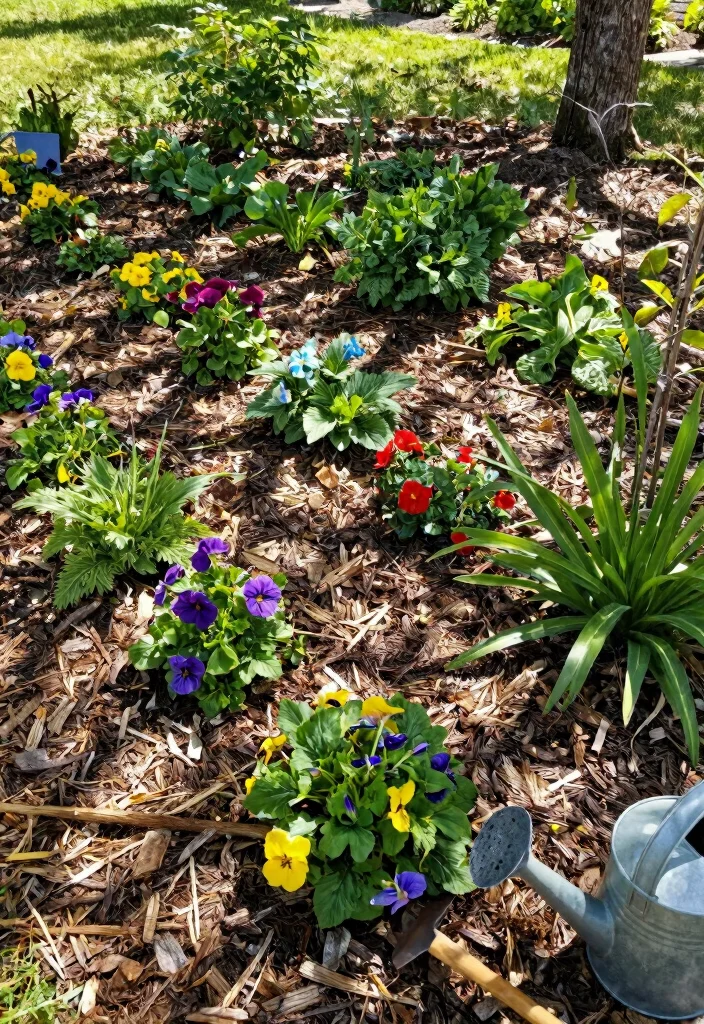
Mulching is a tried-and-true gardening technique that significantly improves moisture retention in your soil. By layering organic materials like wood chips, straw, or leaves around your plants, you can minimize evaporation and keep your garden hydrated. Imagine the benefits of a healthier garden with less effort!
Not only does mulch help retain moisture, but it also suppresses weeds and regulates soil temperature. As it decomposes, it enriches the soil, boosting plant health. Aim for a 2-4 inch thick layer of mulch around your plants, taking care to keep it away from plant stems to avoid rot.
Benefits of mulching:
– Conserves water by reducing evaporation
– Suppresses weeds for easier maintenance
– Improves soil health through decomposition
Helpful tips for effective mulching:
– Choose organic materials that enhance your garden’s look
– Replenish mulch yearly for ongoing benefits
– Avoid synthetic materials that can harm the soil
By incorporating mulching into your gardening strategy, you can ensure your plants stay hydrated and healthy.
Fun fact: A mulch layer can cut evaporation by up to 70%, keeping soil damp even during hot days. For those exploring diy pond filter ideas, mulching simplifies moisture retention and supports healthier plants.
7. Bucket Drip System
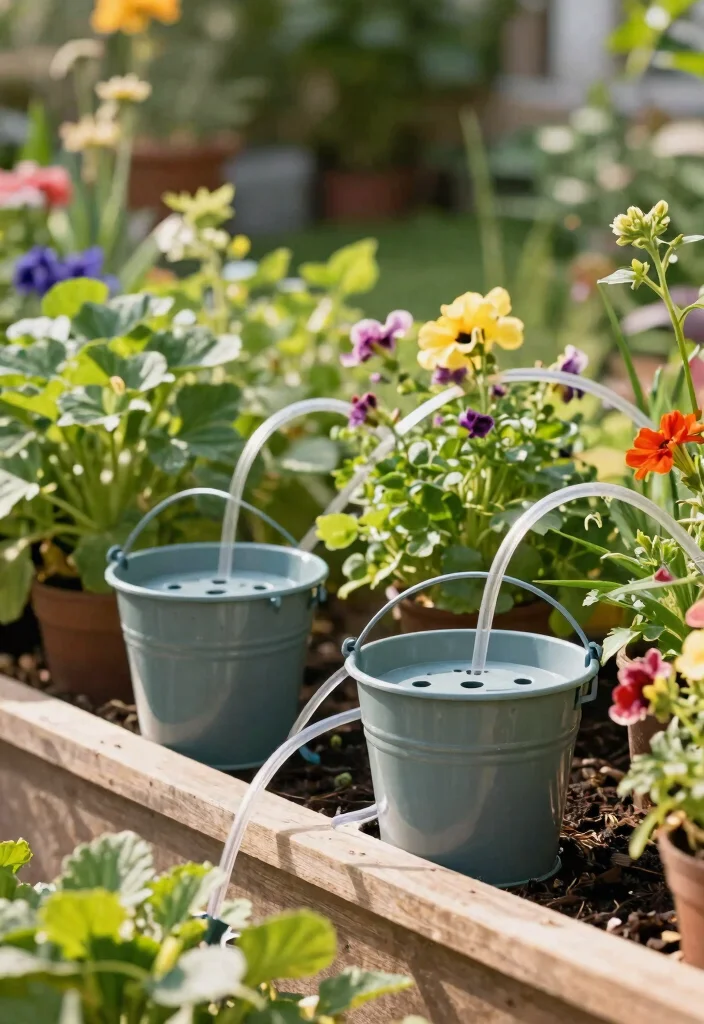
If you’re seeking a budget-friendly DIY irrigation solution, consider creating a bucket drip system. This simple setup uses a few buckets filled with water and tubing to deliver moisture directly to your plants. It’s perfect for small gardens or raised beds, making it both practical and effective.
To start, drill small holes in the bottom of the buckets and position them higher in your garden. Connect hoses from these buckets to the base of your plants. Gravity will do all the work, allowing water to drip slowly and consistently into the soil. This straightforward method is low-tech but highly efficient.
Advantages of a bucket drip system:
– Inexpensive and easy to create
– Customizable for your garden layout
– Effective in delivering water directly to roots
Tips for successful implementation:
– Use food-grade buckets to avoid chemicals
– Consider painting buckets dark colors to absorb heat
– Check hoses regularly for clogs
By setting up a bucket drip system, you can efficiently water your garden without spending a fortune.
8. Capillary Mats for Indoor Plants
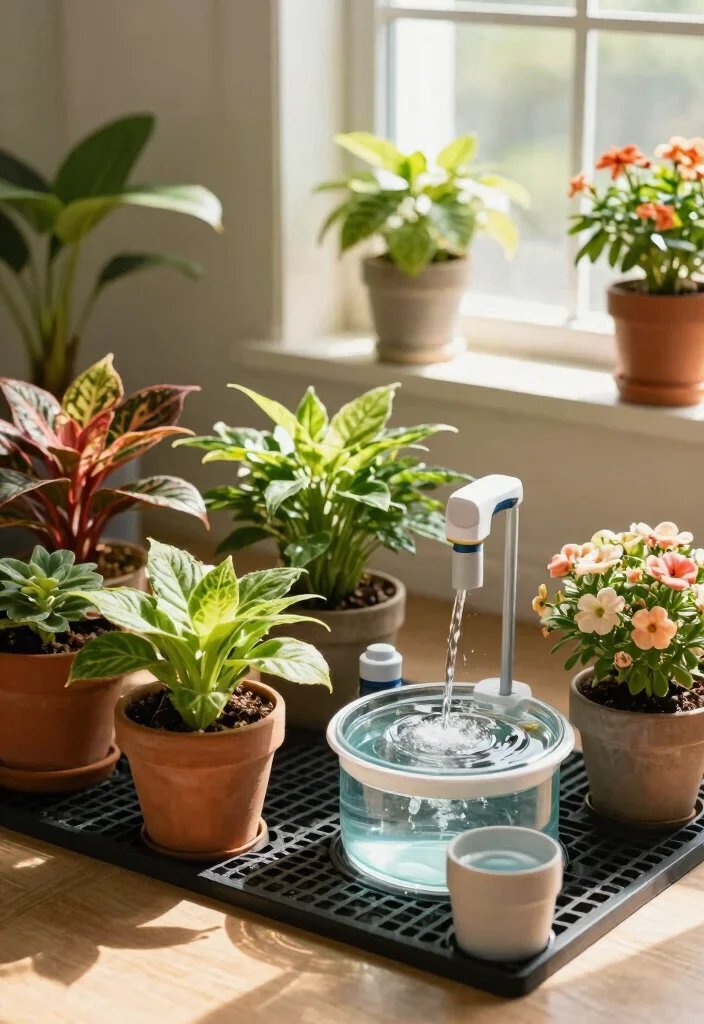
If you’re a fan of indoor gardening, capillary mats can be a fantastic solution for watering your plants. These mats draw water from a reservoir and gradually release it to the roots, maintaining consistent moisture without the risk of overwatering. This method is especially useful for busy individuals or during vacations.
To set up, place a capillary mat in a tray, fill it with water, and position your potted plants on top. The mat will absorb water through the drainage holes in the pots, ensuring your plants stay hydrated. This approach helps prevent root rot while providing reliable moisture.
Benefits of capillary mats:
– Provides consistent moisture for plants
– Reduces overwatering risk for better plant health
– Low-maintenance option for busy lifestyles
Practical tips for effective use:
– Choose high-quality mats for better water retention
– Keep mats clean to ensure efficiency
– Assess plant needs before using this method
Using capillary mats can simplify your indoor gardening and ensure your plants thrive.
9. Earthworm-Driven Drip System
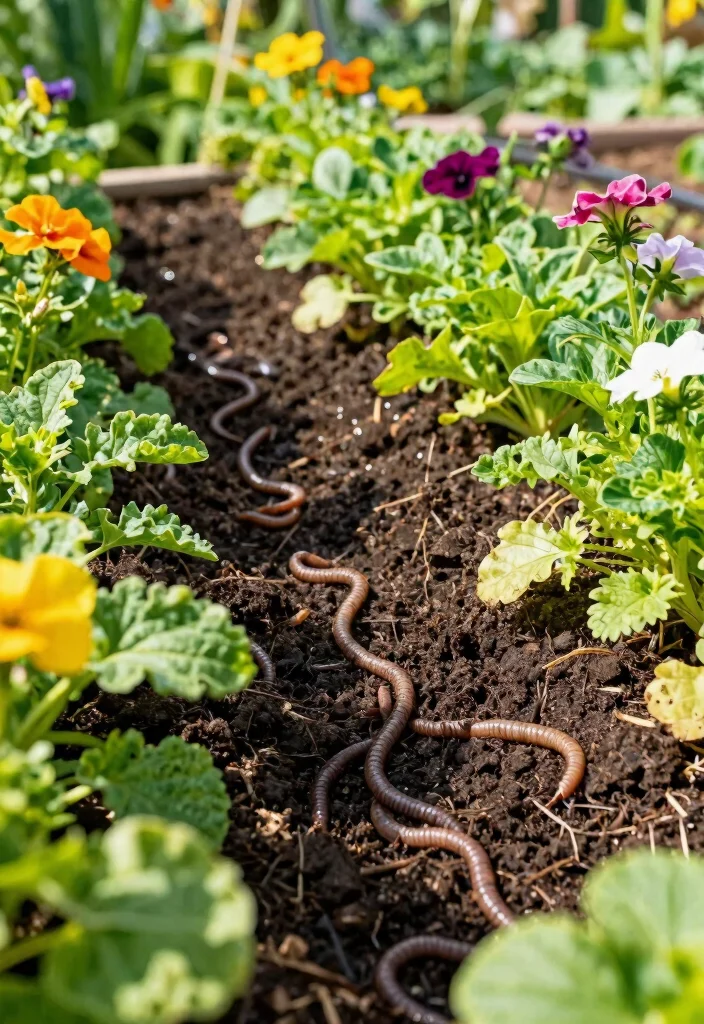
Embrace the wonders of nature by implementing an earthworm-driven drip system in your garden! This innovative method combines the benefits of vermicomposting with drip irrigation, allowing earthworms to aerate the soil while enhancing moisture retention. As worms move through the soil, they create pathways for water to reach plant roots more efficiently.
To set this system up, create worm bins and incorporate them into your garden beds. The nutrient-rich castings from the worms not only nourish your plants but also improve soil structure, leading to healthier growth. This approach fosters a vibrant ecosystem in your garden.
Benefits of an earthworm-driven system:
– Enhances soil aeration for better drainage
– Improves nutrient retention for thriving plants
– Fosters a vibrant ecosystem in your garden
Tips for effective maintenance:
– Feed worms kitchen scraps for optimal health
– Provide suitable bedding for worm comfort
– Regularly monitor the system for success
Using an earthworm-driven drip system can greatly enhance your garden’s health and productivity.
❝ Earthworms power the earthworm-driven drip system, turning vermicomposting into real drip irrigation magic. Studies show soil channels boost water infiltration by up to 30%, guiding moisture right to roots—great for diy pond filter ideas and sustainable beds. Give bins a try and watch roots thrive. ❞
How To Install a Drip Irrigation System
Tools You’ll Need:
– Garden shovel
– Drip tubing
– Connector pieces
– Stakes or holders
– Timer (optional)
– Scissors
Step 1: Plan Your Layout
First, map out your garden area. Decide where the plants are located and how they will be watered. Consider plant types and their water needs. Use a pencil and paper for a clear layout.
Step 2: Gather Your Materials
Collect all your materials based on your plan. Make sure you have enough drip tubing and connectors. Measure the lengths needed for each section. Cutting too short can lead to issues later!
Step 3: Prepare the Ground
Use your garden shovel to clear the area where the tubing will lay. Remove any rocks or debris. This will ensure the drip system is installed smoothly and effectively.
Step 4: Install the Tubing
Lay the drip tubing along your planned path. Secure it using stakes or holders to keep it in place. If you have curves in your design, gently bend the tubing. Don’t pull too hard, as it can break.
Step 5: Connect the Components
Attach connector pieces to the tubing as needed. Make sure each connection is tight to prevent leaks. If you’re using a timer, connect it to the main water source. This step can help automate your watering schedule!
Step 6: Test Your System
Before covering the tubing, turn on the water. Check for leaks at the connections and ensure water flows evenly. Adjust any sections if needed. This quick test will save you time in the long run.
Pro Tip: Set a timer for watering based on your plants’ needs. Most gardens benefit from watering early in the morning or late in the afternoon. This way, water won’t evaporate quickly!
Installing a drip irrigation system can take about 2-3 hours, depending on your garden’s size. Having a friend help can make this process faster and more enjoyable. With this simple guide, you can set up a sustainable watering solution for your garden that conserves water and keeps your plants happy!
10. Smart Sprinkler Systems
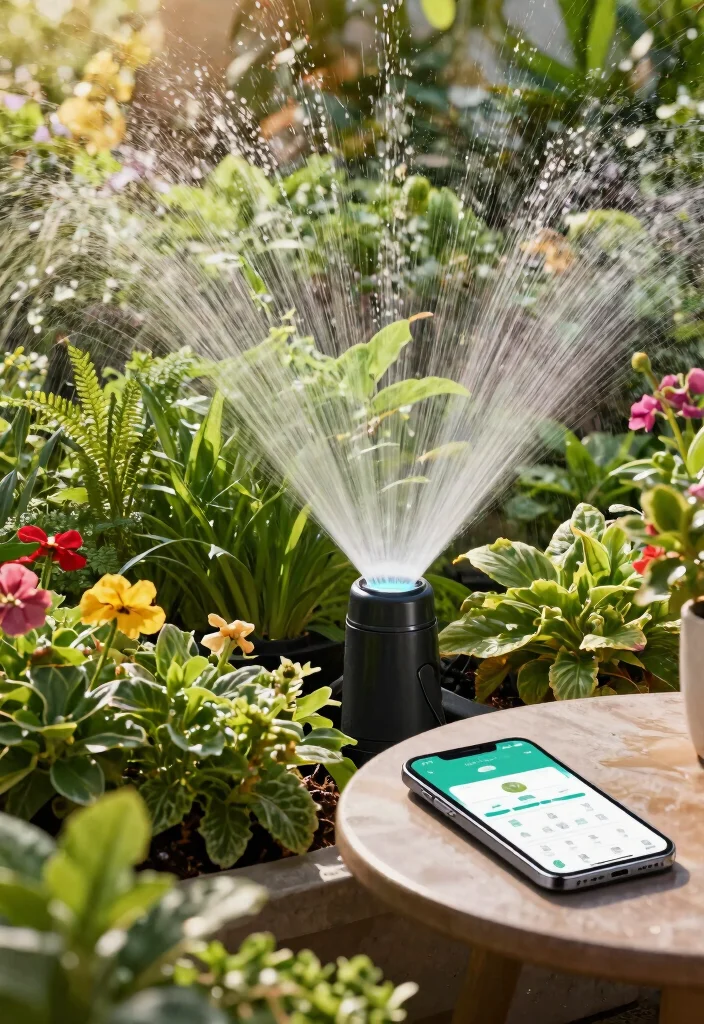
Transform your garden with smart sprinkler systems designed to optimize water usage based on weather patterns. These systems can be programmed to water specific garden zones, ensuring each area gets the right amount of moisture without waste. Imagine the convenience of automatic scheduling tailored to your plants’ needs.
Many smart systems feature rain sensors that prevent watering during rainfall, saving water and keeping plants from becoming oversaturated. With mobile app controls, you can manage your watering schedule from anywhere, making garden maintenance simpler than ever.
Benefits of smart sprinkler systems:
– Saves water by adjusting to weather conditions
– Enhances plant health with proper moisture levels
– Offers convenience for busy gardeners
Essential tips for effective use:
– Regularly check for leaks to maintain efficiency
– Ensure proper alignment for even coverage
– Invest in compatible models for best performance
By upgrading to a smart sprinkler system, you can enjoy a thriving garden while promoting sustainable practices.
Smart Sprinkler Systems take the guesswork out of watering. Set zones, sync them with the forecast, and you’ll water only what your plants need—no waste, no guilt. If you’re into diy pond filter ideas, you’ll appreciate how easy it is to automate garden care.
11. Recycled Container Gardens
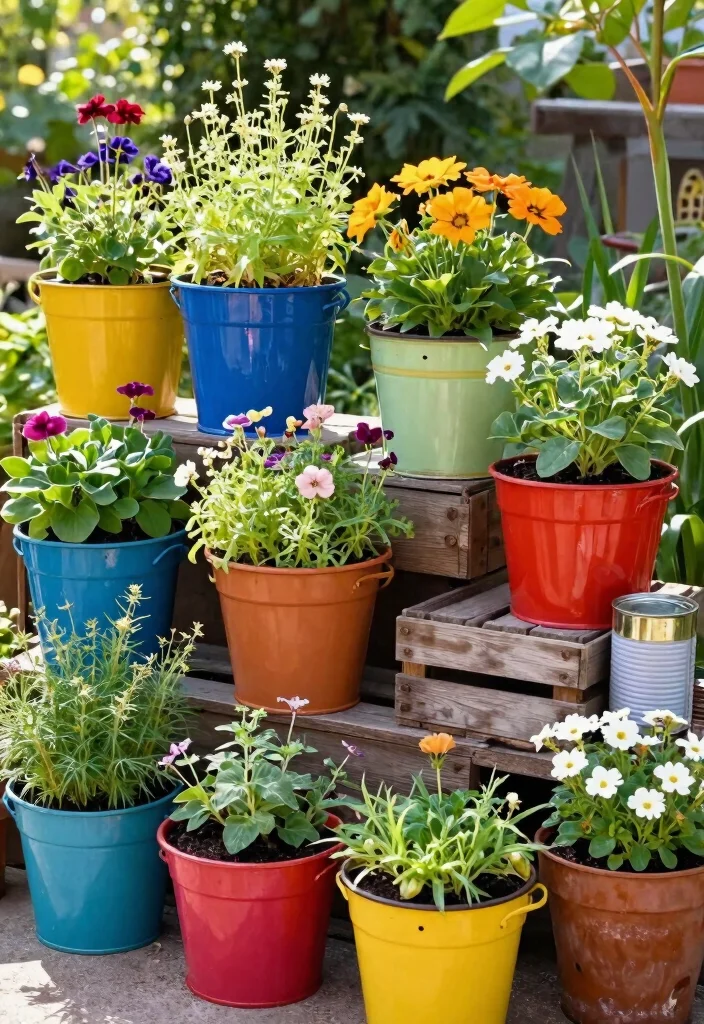
Create a delightful and sustainable garden by utilizing recycled containers for your plants. Old buckets, cans, or wooden crates can be transformed into charming homes for your favorite flowers, herbs, or vegetables. This creative approach not only saves money but also reduces waste while adding unique character to your garden.
To get started, clean your containers and drill holes for drainage. Fill them with quality potting soil and choose your plants. Mixing different materials and colors can create an eclectic look that enhances your outdoor space.
Benefits of using recycled containers:
– Eco-friendly by reducing waste
– Cost-effective gardening solution
– Customizable for your garden aesthetic
Helpful tips for success:
– Consider container size for plant root accommodation
– Mix various textures for visual appeal
– Ensure materials are safe for plants to thrive
By embracing recycled container gardening, you can cultivate a beautiful, sustainable garden that showcases your creativity.
Conclusion
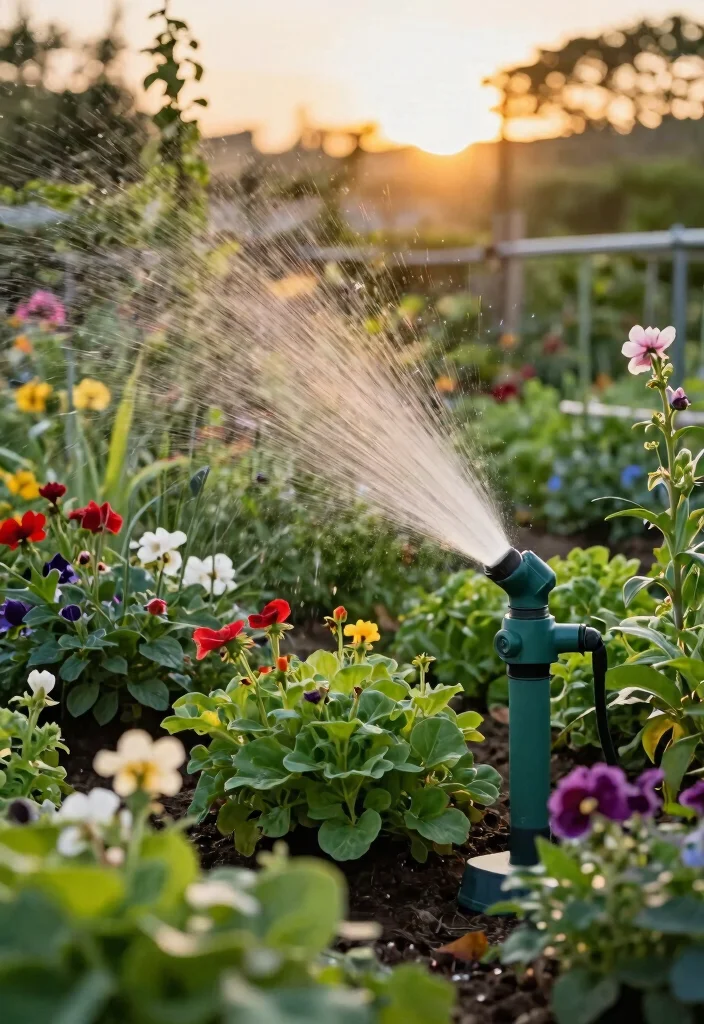
Integrating smart watering techniques into your gardening routine can transform not only how you maintain your plants but also the health of your garden. These methods provide sustainable solutions, ensuring efficient water use while promoting beautiful growth.
As you embark on these projects, remember that every drop counts. Explore these ideas, mix and match what suits your space, and enjoy the bountiful benefits of a thriving garden!
Note: We aim to provide accurate product links, but some may occasionally expire or become unavailable. If this happens, please search directly on Amazon for the product or a suitable alternative.
This post contains Amazon affiliate links, meaning we may earn a small commission if you purchase through our links, at no extra cost to you.
Frequently Asked Questions
Question: What are the best drip irrigation ideas for a thriving, water-saving garden?
Drip irrigation is a game-changer for conserving water while keeping plants evenly hydrated.
Start by mapping your garden into zones, then choose emitters and tubing sized for each zone. Set up a timer and a pressure regulator to ensure steady, uniform moisture and to simplify home garden maintenance while following smart garden watering techniques and efficient irrigation methods. Regularly inspect lines for clogs, leaks, and sun exposure, and adjust emitter spacing as plants grow. With a little setup, this becomes a practical DIY garden projects that pays off in healthier plants and less waste.
Question: How can I set up sustainable watering methods that also support a pond or water feature in my garden?
To create a sustainable watering system that also features a pond or water feature, start with rainwater harvesting and smart routing to your garden beds. Use gravity-fed or pressurized lines to deliver water, and include simple filtration or settling to protect plants and pond life—this is where sustainable gardening solutions shine. If you have a pond, you can explore DIY pond filter ideas to keep water clean so you can reuse pond water for irrigation after filtration. This approach blends DIY garden projects with practical home garden maintenance and durable results.
Question: What common mistakes should I avoid when installing a drip irrigation system?
Common mistakes to avoid include ignoring zones and plant water needs, choosing the wrong emitter type or spacing, and running too many emitters on one line. Leaks, clogged emitters, and lack of a pressure regulator waste water and damage plants. Not flushing the system before first use or failing to winterize in cold climates can ruin tubing and invite pests. Plan, install with care, and schedule routine checks as part of home garden maintenance and garden watering techniques.
Question: How can I integrate DIY pond filter ideas with my irrigation plan to make watering more efficient?
Think of your pond as a water storage and filtration hub. Filtered pond water can fill a storage barrel or reservoir that feeds your drip lines, using gravity or a low-energy pump—great for efficient irrigation methods. Implement DIY pond filter ideas to keep water clean, then route it to gardens or planters via tubing. This approach supports sustainable gardening solutions and aligns with DIY garden projects while keeping maintenance approachable.
Question: How often should I check and adjust my watering setup as the seasons change?
Seasonal shifts require adjusting schedules and zones. Check soil moisture, plant growth, rainfall, and sun exposure monthly or with every seasonal change. Tweak timers, emitter types, and dripper spacing to maintain even moisture without runoff. Regular inspection and adaptation are part of home garden maintenance and garden watering techniques that keep efficient irrigation methods working year-round.
![13 Custom DIY Outdoor Griddle Ideas [Built In Layouts]](https://roomeena.com/wp-content/uploads/2026/04/13-Custom-DIY-Outdoor-Griddle-Ideas-Built-In-Layouts-150x150.webp)