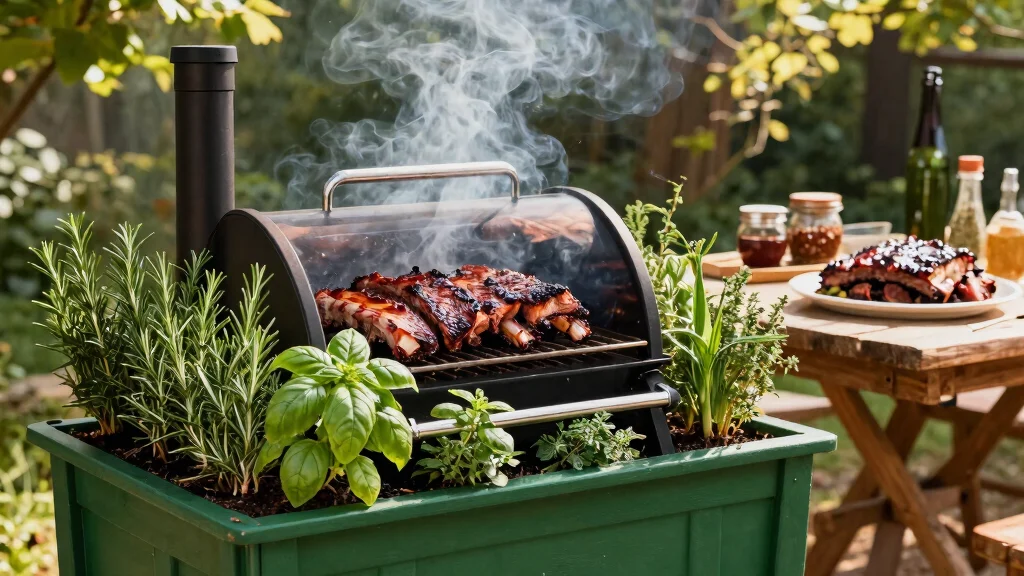
The smell of beef ribs sizzling on the grill is hard to resist, isn’t it? It always has me dreaming of that perfect smoky flavor that elevates any BBQ gathering. That’s why I created this post. I wanted to dive deep into the world of wood pellets, specifically the best choices for beef ribs, to help you achieve that mouthwatering taste with every bite.
If you’re a BBQ enthusiast or a home cook passionate about flavor, this guide is tailored just for you. Whether you’re a seasoned pro or a newcomer to the grill, knowing the right type of wood pellets makes all the difference. You’ll discover the unique characteristics of different wood pellets and how they influence the flavor profile of your beef ribs. With this knowledge, you can transform your grilling experience into something truly extraordinary.
Get ready to take notes! I’ve compiled the top seven wood pellets that will not only enhance your beef ribs but also give you tips on how to use them effectively. By the end of this post, you’ll be well-equipped to impress your friends and family with your BBQ skills and flavorful dishes.
Key Takeaways
– Variety of Flavors: Each type of wood pellet offers a distinct flavor, from the boldness of mesquite to the sweetness of applewood. Understanding these profiles will help you choose the right one for your taste.
– Cooking Techniques: Learn how to use wood pellets effectively in your smoking process to maximize flavor. Techniques like low-and-slow cooking will enhance the natural taste of beef ribs.
– Enhancing Herbs: Combining your wood pellets with flavorful herbs from your own vertical garden can elevate your BBQ experience even further.
– Recipe Ideas: The guide includes tips and recipes for perfecting your beef ribs to pair with the wood pellets you choose, ensuring your meat is tender and flavorful.
– Container Gardening Solutions: Explore how to grow your BBQ herbs using greenstalk vertical planter ideas, making your cooking even more rewarding and delicious.
1. Hickory Pellets: The Classic Choice
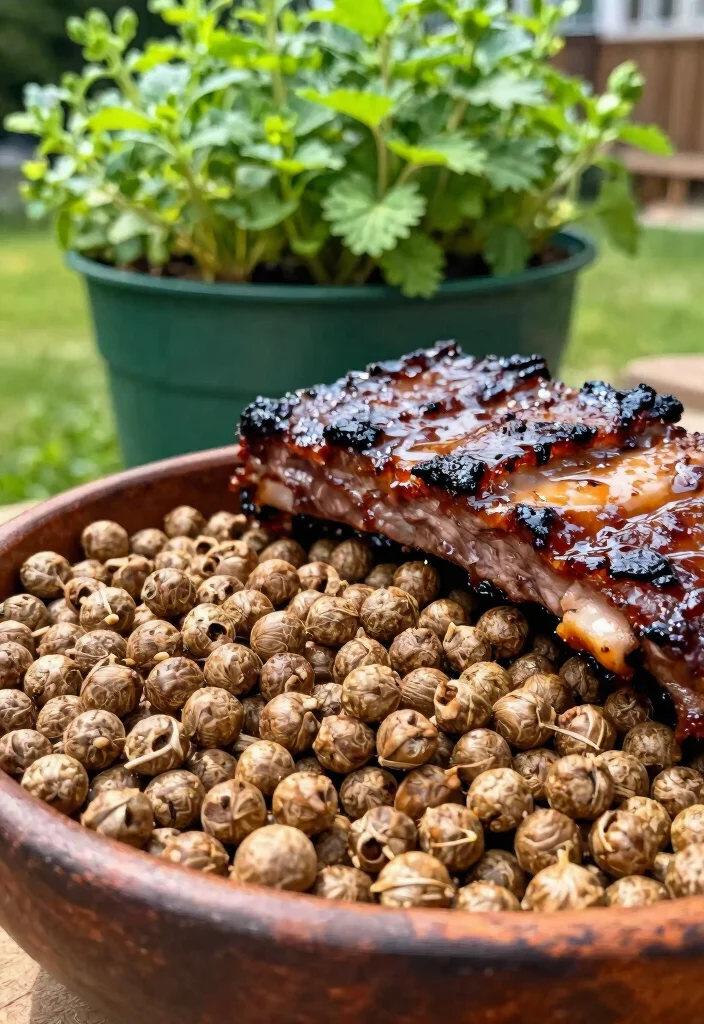
If you’re craving that iconic BBQ flavor, hickory pellets will take your beef ribs to the next level. They provide a robust, smoky profile that cuts through the richness of the meat, ensuring every bite is packed with flavor. Plus, they’re simple to use, making them a favorite for both beginners and seasoned grillers.
To make the most of hickory, keep an eye on your cooking time. The smoke can be intense, so consider blending it with milder pellets for a more balanced taste.
Benefits include:
– Ideal for long, low-and-slow cooking sessions.
– Pairs exceptionally well with beef, pork, and game meats.
– Perfect for those who love traditional BBQ flavors.
Soaking hickory pellets before use can help retain moisture, resulting in juicier ribs. Don’t hesitate to experiment with different techniques to discover what works best for you!
When you want beef ribs that actually taste like a backyard legend, Hickory pellets are your secret sauce. They punch up the meat with a bold smoke, but you can blend them with milder pellets for balance.
2. Mesquite Pellets: Bold and Flavorful
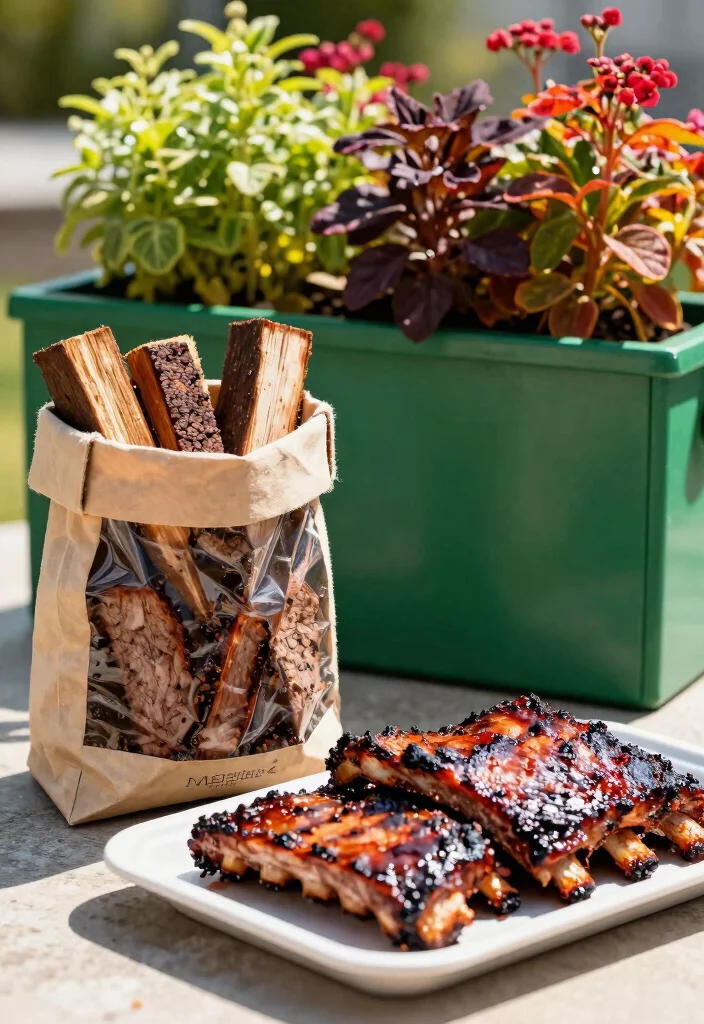
Looking for a flavor that really stands out? Mesquite pellets are your go-to choice for beef ribs. Their bold, earthy notes infuse the meat with a robust taste that’s simply irresistible. If you enjoy a strong smoky flavor, mesquite will not disappoint.
Just keep in mind that too much mesquite can overpower your dish. Mixing it with milder woods like apple or cherry can help create a delightful balance.
Key points to note:
– Perfect for quick cooks as they burn hot.
– Commonly used in Tex-Mex cuisine, enhancing flavorful marinades.
– Versatile for grilling, smoking, or even baking.
Pro tip: Toss a handful of mesquite pellets into your charcoal for an extra flavor boost while keeping your ribs juicy!
3. Applewood Pellets: Sweet and Fruity
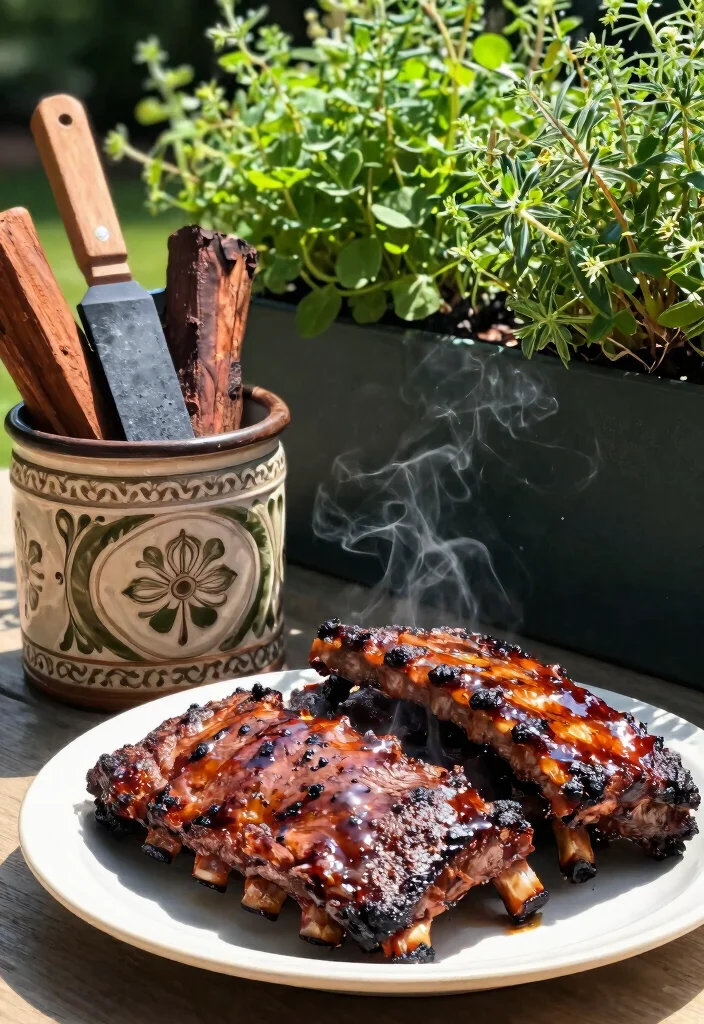
If you prefer a touch of sweetness in your BBQ, applewood pellets are a fantastic choice for beef ribs. They add a mild, fruity flavor that enhances the meat’s natural taste and pairs beautifully with sweet glazes or rubs. Your ribs will be the star of any gathering!
Applewood smoke works wonders, especially for those who enjoy a more subtle flavor profile.
Key insights:
– Best for short to medium smoking times.
– Also great for poultry and pork.
– Complements sweet flavors like honey or brown sugar in rubs.
For an extra flavor kick, try brushing a light apple juice marinade on your ribs during the last hour of cooking!
Key Trade-offs & Our Top Pick
Hickory Pellets
– Pros:
– Offers a strong and hearty flavor perfect for beef ribs.
– Ideal for long cooking sessions due to its consistent burn.
– Widely available and often more affordable than other options.
– Cons:
– The strong smoke can overpower more delicate flavors.
– Not suitable for all meats; can be too bold for chicken or fish.
– Best for: Those who enjoy a classic BBQ taste and are cooking beef ribs that can stand up to strong flavors.
Mesquite Pellets
– Pros:
– Provides a bold and intense flavor that beef lovers adore.
– Ideal for quick grilling because it burns hot.
– Works well with red meats, enhancing their natural flavors.
– Cons:
– The smoky taste can be overwhelming if used excessively.
– Not recommended for long smokes or delicate meats.
– Best for: Grilling beef ribs quickly while wanting to impart a strong, smoky flavor.
Applewood Pellets
– Pros:
– Gives a sweet and mild flavor that enhances beef without overpowering it.
– Great for those who want a subtle smoke profile.
– Pairs well with herbs and spices, enhancing your overall BBQ experience.
– Cons:
– May not provide enough smoke flavor for those who prefer a bolder taste.
– Can burn up faster than harder woods, requiring more frequent refills.
– Best for: Those who enjoy a sweeter twist to their beef ribs, especially in combination with BBQ herbs.
Oak Pellets
– Pros:
– Offers a balanced flavor that complements a wide variety of meats.
– Good for long smoking sessions; burns steadily.
– Versatile enough to be paired with other wood types for flavor enhancement.
– Cons:
– Might lack a distinct flavor on its own compared to other options.
– Not as widely known for flavor intensity as hickory or mesquite.
– Best for: Those looking for versatility and consistent results across different meats.
Pecan Pellets
– Pros:
– Provides a rich, nutty flavor that adds depth to your beef ribs.
– Burns slowly, making it excellent for long cooks.
– Pairs well with other woods for a complex flavor profile.
– Cons:
– A bit pricier than other wood pellets.
– Its richness might not appeal to everyone, especially those who prefer a lighter smoke.
– Best for: BBQ enthusiasts who want to experiment with depth and richness in their meats.
Expert Recommendation:
Best Overall: Hickory Pellets
Hickory pellets stand out as the top choice for most grillers. They balance strong flavor with consistent performance, making them ideal for beef ribs. You get excellent value for your money, as they are affordable and easy to find. Plus, their durability means you won’t have to worry about frequent replacements during long smoking sessions.
Why We Picked This:
Choosing the best wood pellet often comes down to personal preference. If you’re looking for something bold, mesquite or hickory might be your go-to. For those who favor milder flavors, applewood or pecan can be delightful. Oak remains a versatile option for various meats. The right choice depends on your cooking style, taste preferences, and the type of beef rib recipes you’re aiming to create. Each option has unique advantages, so consider what flavors you want to enhance in your next BBQ session!
4. Cherry Pellets: A Colorful Twist
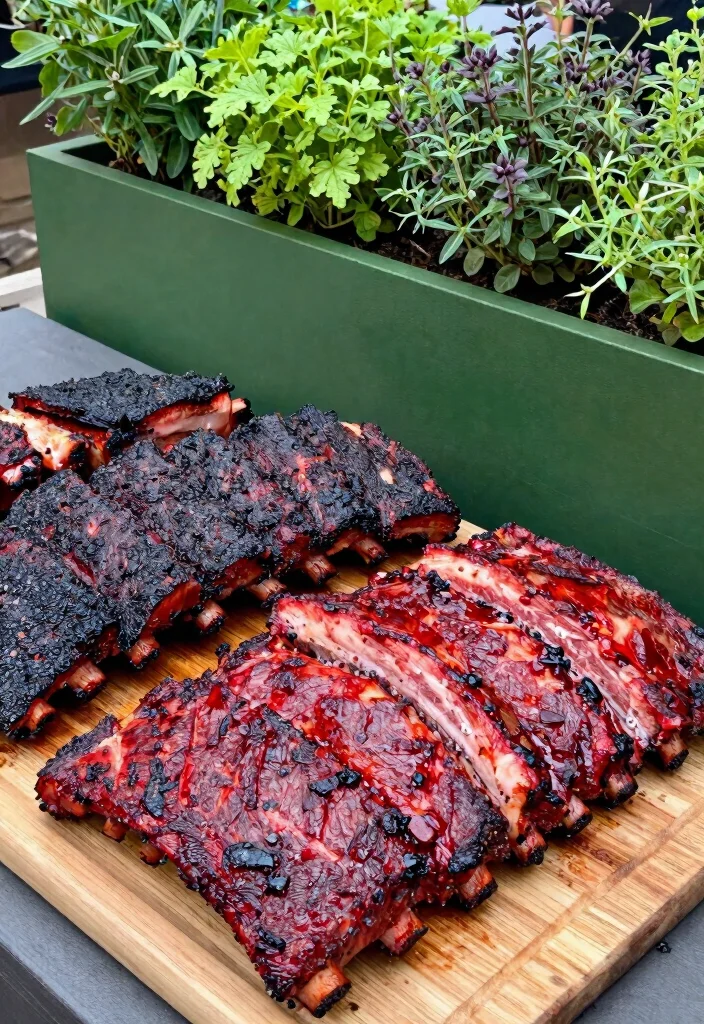
Cherry pellets are a delightful choice for BBQ lovers seeking a mild flavor with a vibrant twist. The smoke from cherry wood gives beef ribs a beautiful reddish hue and a subtle sweetness. This option is perfect if you want a rich smoke flavor without overwhelming the taste of the meat.
Cherry wood pairs wonderfully with other woods like hickory or oak, allowing for versatile smoking techniques.
Things to remember:
– Excellent for long, slow smoking.
– Works well with various meats, including pork and poultry.
– Ideal for those who prefer a gentler smoke flavor.
Tip: Combine cherry pellets with a fruit-based glaze to elevate the dish’s flavor profile and impress your guests!
5. Oak Pellets: The Versatile Staple
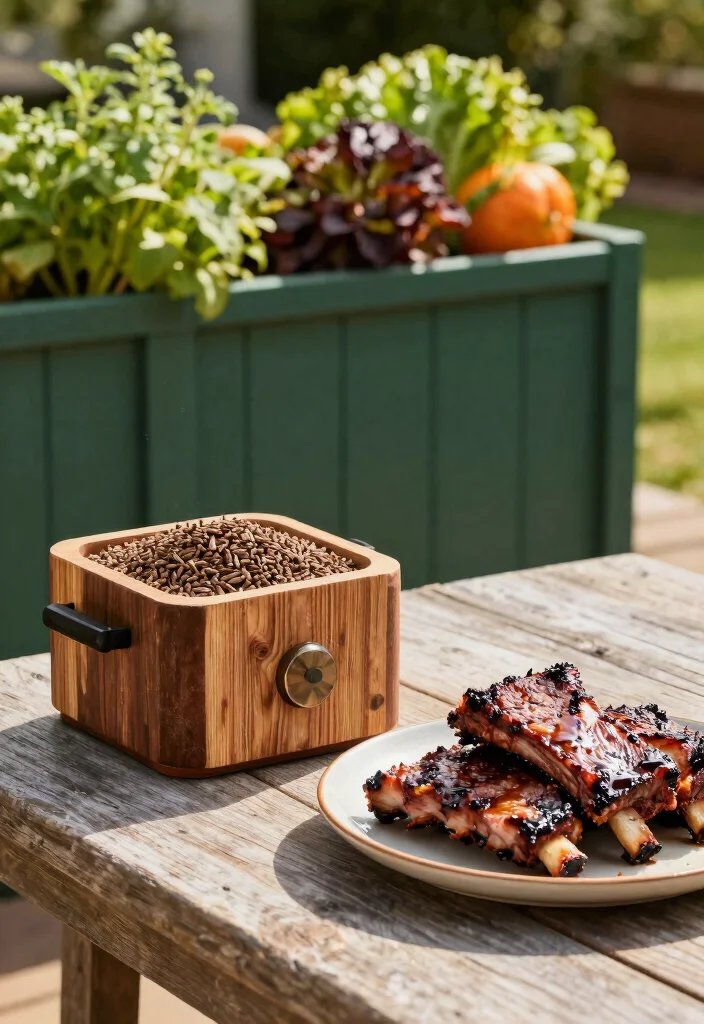
When it comes to versatility, oak pellets are the unsung heroes of BBQ. They provide a medium smoke flavor that balances boldness and subtlety, making them suitable for any type of meat, especially beef ribs. The steady burn ensures consistent heat, perfect for achieving tender, fall-off-the-bone ribs.
Oak’s mild profile means it won’t overpower your dish, making it a great base for mixing with other wood flavors.
Reasons to choose oak:
– Works well with almost any meat.
– Ideal for long smoking sessions due to its steady heat.
– Pairs beautifully with a variety of marinades and rubs.
Pro tip: Combine oak pellets with hickory for a robust flavor that enhances your beef ribs during longer cooks.
Oak pellets offer a steady, mid-smoke that pairs perfectly with beef ribs. Pro tip: snip herbs from your greenstalk vertical planter ideas to finish with fresh rosemary or thyme.
6. Pecan Pellets: Rich and Nutty
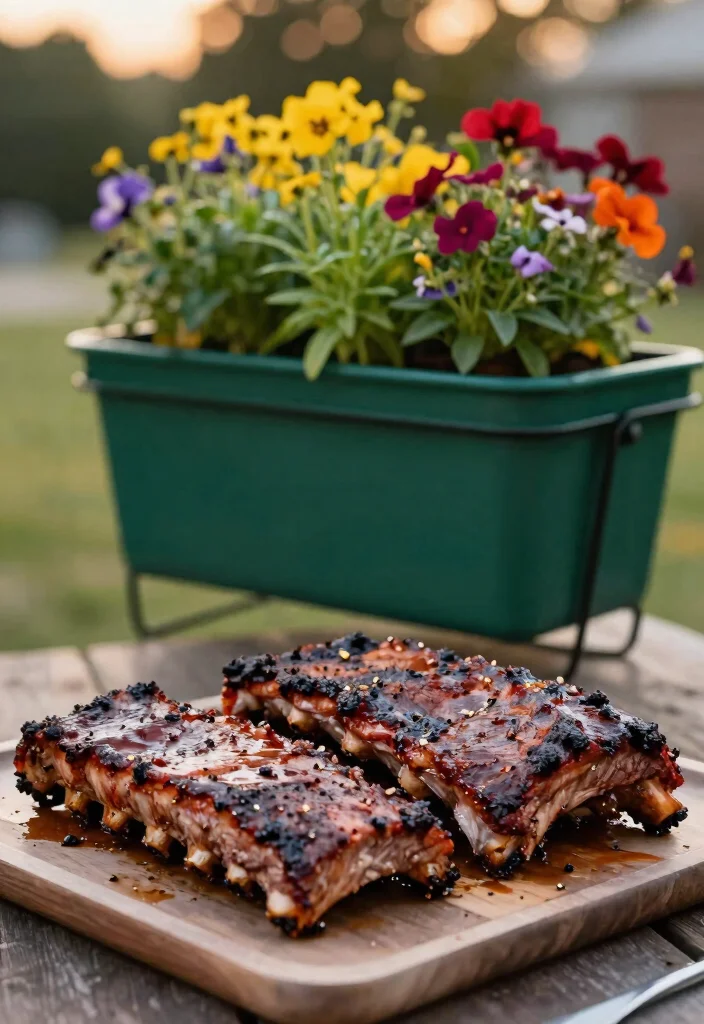
For a unique twist, pecan pellets deliver a rich, nutty flavor that perfectly complements beef ribs. Their sweet smoke is reminiscent of hickory but milder, making it ideal for those wanting a distinctive taste without overwhelming the meat.
Pecan wood shines during shorter smoking sessions, especially when paired with lighter rubs or marinades.
Consider this:
– Best for medium smoking times.
– Pairs well with other woods for a layered flavor.
– A great choice for home cooks looking to impress.
Try mixing pecan with apple wood for a sweet, aromatic smoke that elevates your beef ribs!
Fun fact: pecan pellets bring a rich, nutty flavor that peaks around 2–3 hours of smoking, giving beef ribs a subtle sweetness without overwhelming the meat. For shorter sessions, pair pecan with lighter rubs to balance sweetness.
7. Alder Pellets: Light and Mild
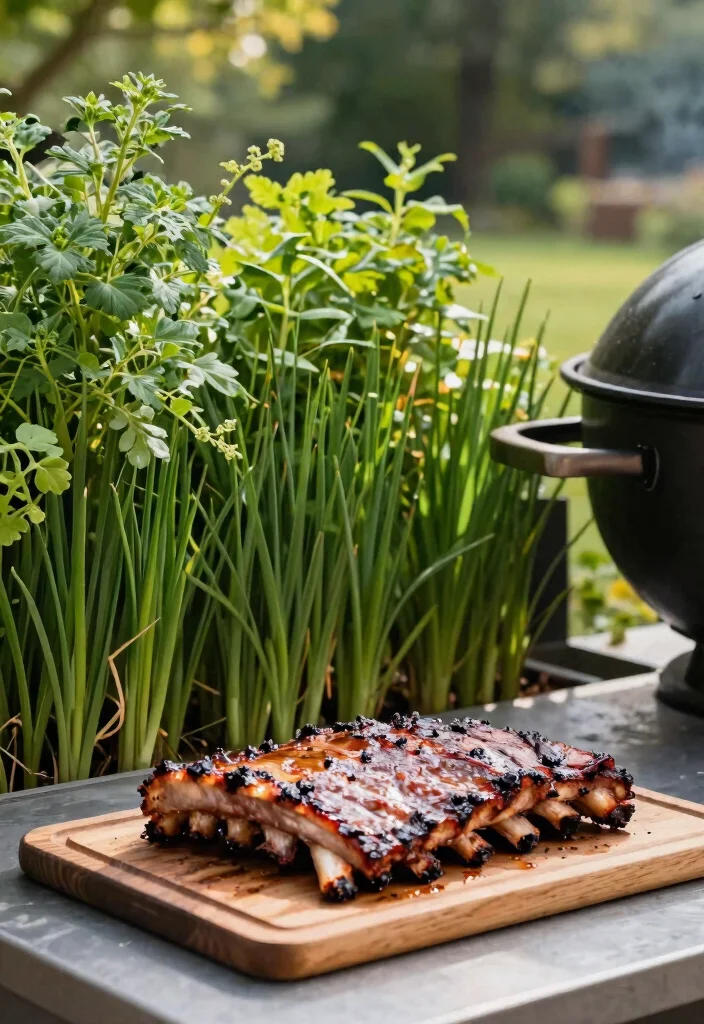
Alder pellets may not be the first choice for many, but they offer a light, mild flavor that enhances beef ribs without overwhelming them. This subtle smoke adds a gentle aroma, perfect for those who enjoy a delicate taste.
Alder is especially effective for shorter cooking times, making it a fantastic option for quick meals. Its versatility allows it to pair well with various marinades and sauces.
Insights to consider:
– Works well for lighter meats like chicken and fish.
– Ideal for beginners in smoking.
– Offers a refined smoke flavor profile.
Try this: Use alder pellets with fresh herbs from your garden to uplift your beef ribs, creating a unique dish that will impress at any BBQ!
Conclusion: Transform Your BBQ Experience
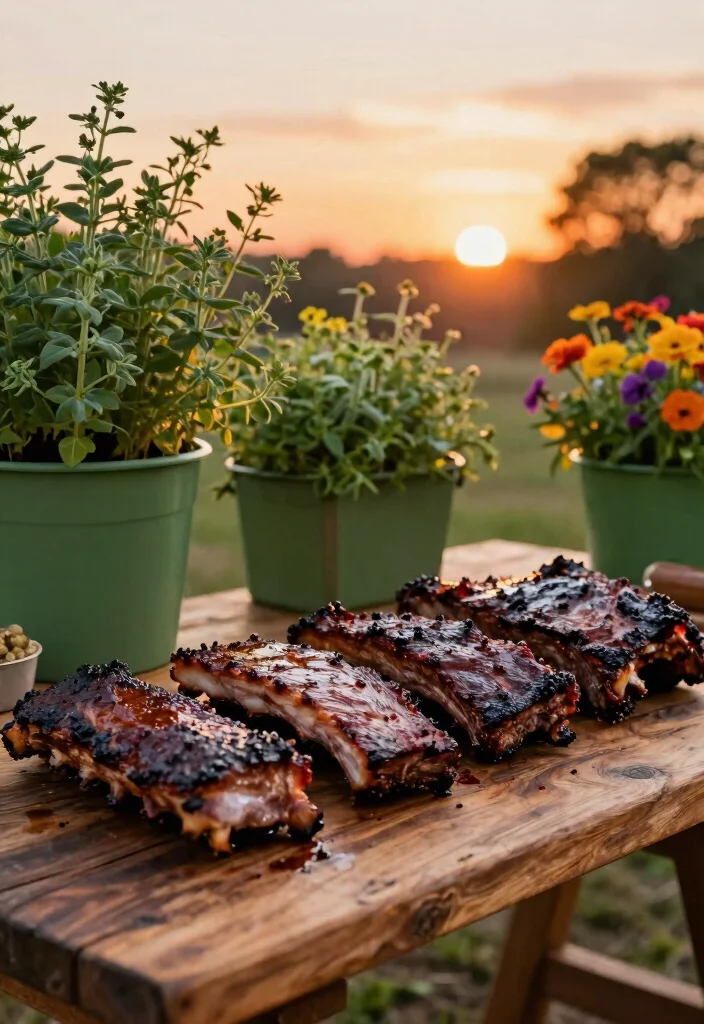
Choosing the right wood pellets can dramatically transform the flavor of your beef ribs, making each bite a memorable experience. From the robust notes of hickory to the sweet undertones of applewood, each option offers something unique.
When experimenting, don’t forget to consider pairing your smoked ribs with fresh herbs from your vertical garden. This adds layers of flavor and freshness to your BBQ dishes. Embrace the world of wood pellets and let your grilling adventures take flight!
Note: We aim to provide accurate product links, but some may occasionally expire or become unavailable. If this happens, please search directly on Amazon for the product or a suitable alternative.
This post contains Amazon affiliate links, meaning we may earn a small commission if you purchase through our links, at no extra cost to you.
Frequently Asked Questions
Which wood pellet flavors deliver the best flavor profile for beef ribs?
Beef ribs shine with robust hardwoods. Start with classic hickory or oak for a traditional smoke, then experiment with fruitwoods like apple or cherry for a touch of sweetness. If you want bold, smoky notes, add a little mesquite in small amounts. Use wood pellet smoking to control smoke exposure and apply flavor enhancement techniques such as a two-stage smoke or a finishing glaze. Cook at 225-250°F and aim for an internal rib temperature of 195-203°F. Keep notes on pellet blends so you can refine your beef rib recipes over time.
How can I grow and use herbs from a greenstalk vertical planter ideas to elevate beef rib recipes?
Turn your herb garden into a flavor studio with greenstalk vertical planter ideas. Plant rosemary, thyme, oregano, and sage within easy reach, using vertical gardening tips to maximize growth in limited space. Harvest leaves just before use to lock in aroma, then incorporate into rubs, marinades, or chimichurri for your beef rib recipes. For ongoing freshness, rely on container gardening solutions to rotate herbs and keep a steady supply for grilling sessions.
What are some easy beef rib recipes that pair well with popular wood pellet smoking flavors?
Here are a few crowd-pleasers you can try: 1) Hickory-smoked beef ribs with a brown sugar and chili rub, finished with a tangy apple cider glaze; 2) Oak- and cherry-mix ribs with a coffee-infused glaze for a deeper aroma; 3) A simple rub of paprika, garlic, pepper, and brown sugar paired with a light glaze during the last 30 minutes. For best results, use wood pellet smoking and apply flavor enhancement techniques like bark formation, wrapping (Texas crutch), and a proper rest before slicing.
How do I optimize smoking beef ribs in a small outdoor space or balcony using pellet smoking and vertical garden ideas?
In compact spaces, choose a small pellet grill and place it away from walls or overhangs with good airflow. Protect the setup from wind and rain, use a heat-proof mat, and keep a tidy area with fuels and tools nearby. Leverage greenstalk vertical planter ideas to grow fresh herbs for rubs right beside your cooking area, and rely on container gardening solutions to maintain herbs with minimal space. Keep a simple thermometer setup and practice safe clearance around the smoker to enjoy flavorful beef rib recipes without crowding your outdoor space.
How can I tell when the beef ribs are done and how should I rest them for maximum flavor with a pellet smoking method?
Smoke until the internal temperature reaches 195-203°F, then give the ribs a gentle probe test and look for a tender, bendy feel. Remove from the heat and wrap in foil or butcher paper for a 15-20 minute rest to keep juices distributed. For maximum flavor, finish with a light glaze or sauce and slice after resting. This approach aligns with best flavor enhancement techniques and helps you nail the results shown in your favorite beef rib recipes.
![13 Custom DIY Outdoor Griddle Ideas [Built In Layouts]](https://roomeena.com/wp-content/uploads/2026/04/13-Custom-DIY-Outdoor-Griddle-Ideas-Built-In-Layouts-150x150.webp)