![11 Genius Self Watering Planter Ideas [Lazy Gardening]](https://roomeena.com/wp-content/uploads/2026/04/11-Genius-Self-Watering-Planter-Ideas-Lazy-Gardening.webp)
If you’ve ever found yourself yearning for a lush green space but feel overwhelmed, this post is for you. Gardening can seem daunting, especially if you’re short on time or gardening skills. That’s why I put together this collection of self-watering planter ideas. They are perfect for anyone looking to ease into gardening without the stress of daily watering.
Whether you live in a tiny apartment with limited space or simply want a low-maintenance way to enjoy plants, these lazy gardening ideas will inspire you. You’ll discover creative solutions like upcycled containers, simple DIY projects, and even smart technology that can help your plants thrive with minimal effort. Let’s dive into these eleven genius self-watering planter ideas that will make your gardening experience both enjoyable and sustainable.
Key Takeaways
– Diverse Ideas: This guide features eleven creative self-watering planter solutions, perfect for small spaces and busy schedules.
– Upcycling: You’ll learn how everyday items like bottles and mason jars can be transformed into functional planters, promoting eco-friendly gardening.
– Ease of Care: These planters reduce the frequency of watering, making them ideal for beginners or those with a hectic lifestyle.
– Smart Technology: Explore options like smart plant monitors that take the guesswork out of plant care, keeping your plants healthy.
– Sustainable Practices: Each idea emphasizes sustainable gardening techniques, helping you grow greenery with less resource use while still enjoying the rewards of gardening.
1. Bottle Planters: Recycle and Grow
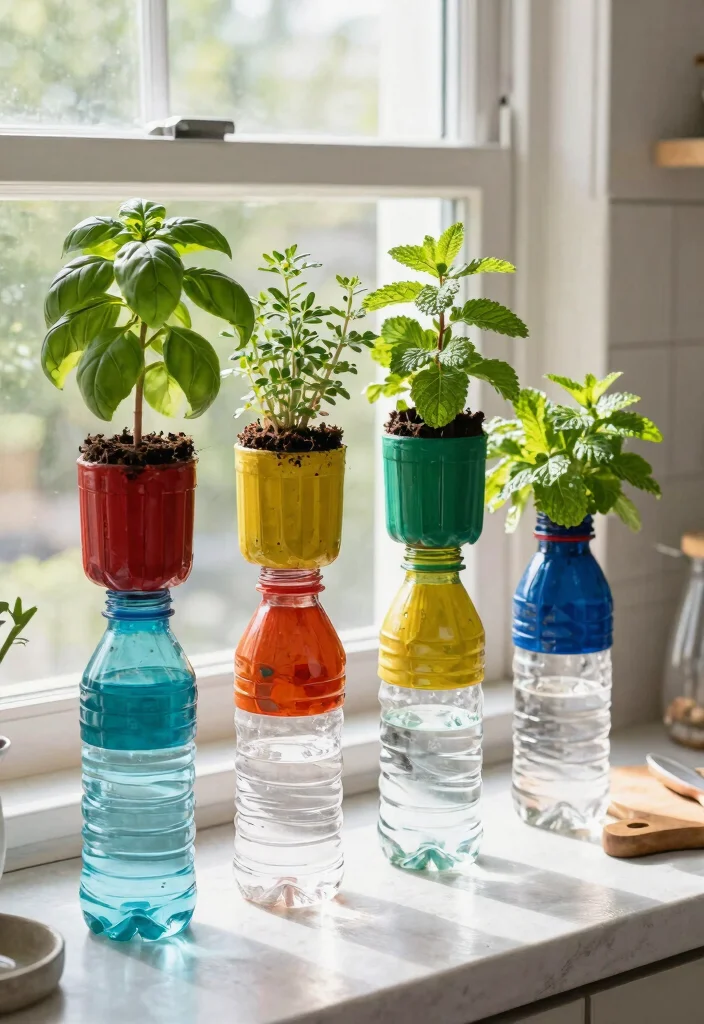
Are you looking for a fun and eco-friendly way to garden? Turning plastic bottles into self-watering planters is a creative solution that’s easy to implement. By simply cutting a bottle in half and inverting the top section, you create a reservoir for water. Fill it with soil and your favorite plants, and let them soak up moisture without daily watering.Start by choosing clear bottles for easy water level monitoring. Consider painting them in vibrant colors for a whimsical touch in your garden or home. This project not only helps reduce plastic waste but also gives your plants a stylish new home.Key benefits of bottle planters:
– Monitor Water Levels: Use clear bottles for visibility.
– Add Color: Paint the bottles to brighten your space.
– Eco-Friendly: Repurpose plastic waste into planters.This approach combines creativity with sustainability, allowing you to enjoy gardening while minimizing your environmental footprint.
Fun fact: A cut bottle can act as a slow, self-watering reservoir, keeping soil evenly moist for days. Use clear bottles to gauge water levels, then paint for a pop of color. Grow herbs you’ll reach for in pellet smoker cooking tips.
2. Mason Jar Mini Gardens
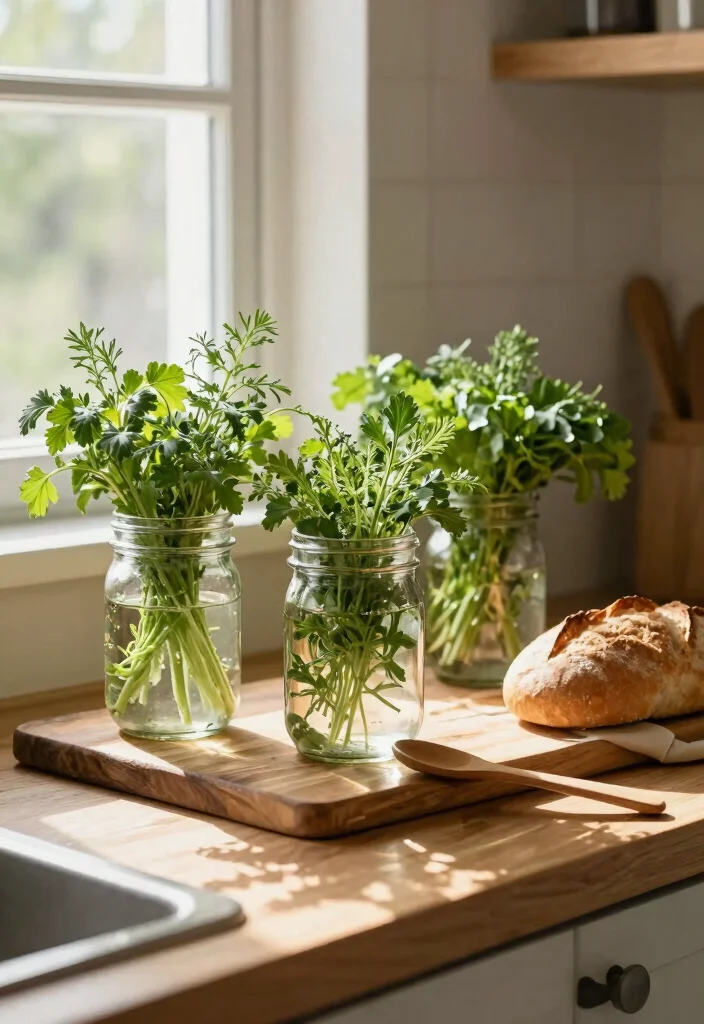
Mason jars aren’t just for preserves; they can also be charming mini self-watering gardens. By filling the bottom with water and placing a small sponge to absorb moisture, you can plant herbs right on top. This not only keeps the soil moist but also creates a lovely decorative element in your kitchen.Mix and match different jar sizes for an attractive display. Consider growing herbs like basil or mint for fresh flavors in your dishes. You can add twine or lace around the jars to enhance their rustic appeal.Explore these ideas for mason jar gardens:
– Mix Sizes: Use various jar sizes for visual interest.
– Grow Herbs: Choose herbs like basil or mint for cooking.
– Decorate: Add twine or lace for a rustic touch.These mini gardens are not only practical but also bring a delightful touch to your cooking and home decor.
3. Fabric Grow Bags: Breathable and Efficient
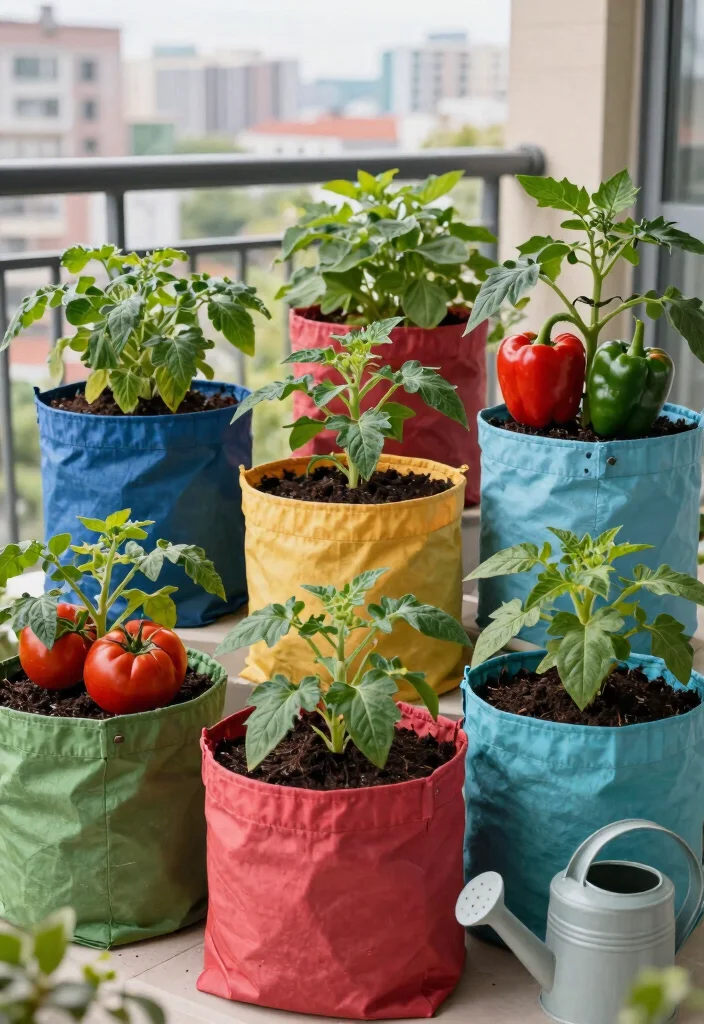
Fabric grow bags are a fantastic choice for self-watering planters. Their breathable material allows air circulation, preventing root rot while retaining enough moisture. Simply fill them with your favorite soil and insert a wick that reaches a water reservoir below.These bags are perfect for a variety of plants, from herbs to vegetables. They’re also space-efficient, making them ideal for urban gardens where space is limited. Just refill the reservoir weekly for hassle-free gardening.Consider these benefits of fabric grow bags:
– Plant Variety: Use for herbs, veggies, or flowers.
– Space-Saving: Easily stack or hang the bags.
– Low Maintenance: Refill the reservoir weekly.This design encourages healthy growth and offers an easy gardening experience, making it ideal for busy city dwellers.
4. Clay Pot Watering Stakes
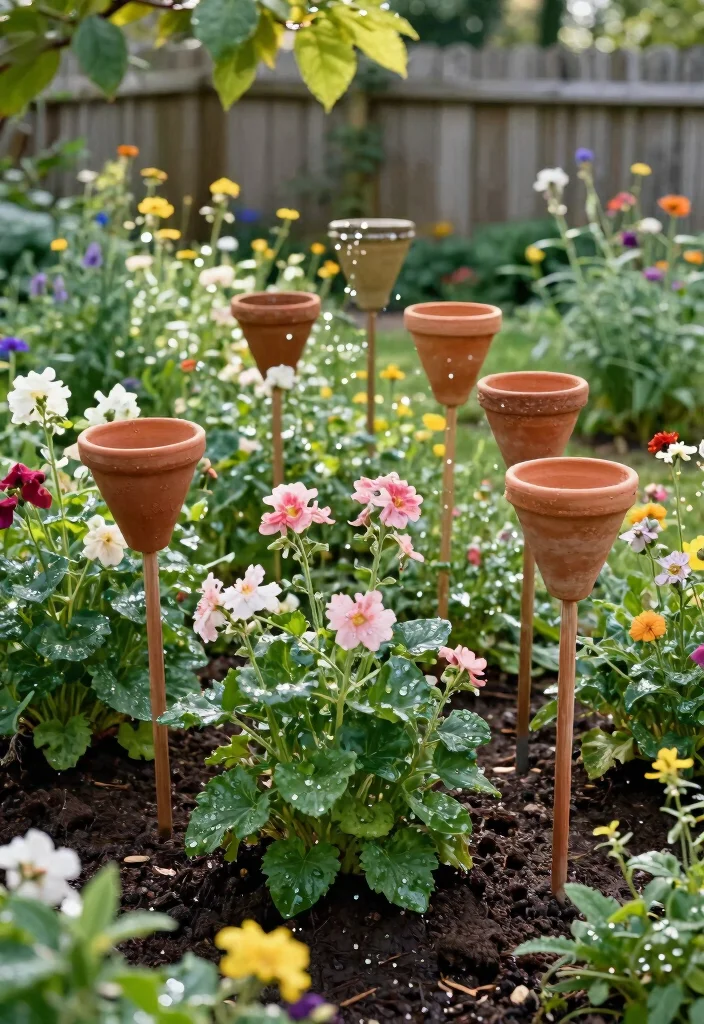
Make your own watering stakes from clay pots for an effective moisture maintenance solution. By filling a small clay pot with water and placing it upside down in your garden, you allow water to seep slowly, keeping the soil consistently moist.This simple method uses minimal materials and adds a rustic charm. It’s suitable for nearly any plant type, whether flowers or vegetables. The terracotta blends beautifully into garden decor, enhancing its natural look.Discover the advantages of clay pot watering stakes:
– Cost-Effective: Uses basic materials for a stylish look.
– Versatile Use: Suitable for all plant types.
– Natural Aesthetic: Terracotta complements any garden style.This technique provides both functional watering and a unique decorative element, enriching your gardening experience.
Watering headaches? Not any more—clay pot stakes do the heavy lifting. Fill a small pot, insert upside-down, and soil stays consistently moist—quiet, simple, and rustic enough for any plant, just like pellet smoker cooking tips keep dinners effortless.
5. PVC Pipe Planters
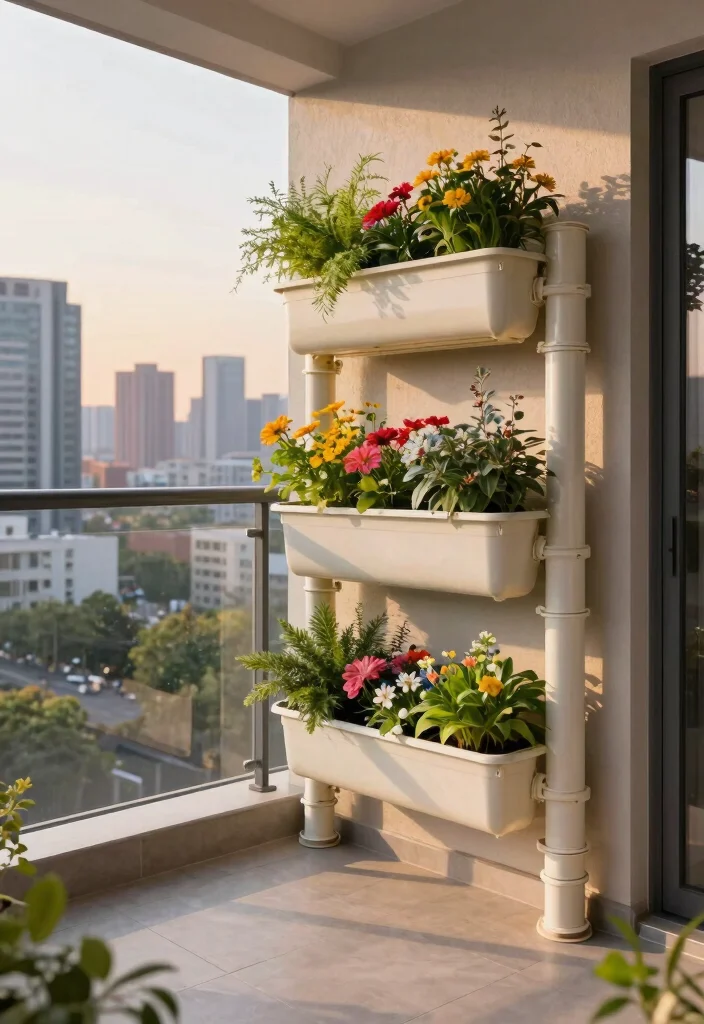
For a modern twist on self-watering planters, consider using PVC pipes. Cut the pipes into sections, fill them with soil, and add your favorite plants. One end can serve as a water reservoir, allowing plants to access moisture as needed.You can creatively arrange or stack the pipes for a vertical garden effect. This design is easy to maintain and reduces the risk of overwatering. Plus, it’s durable and weather-resistant, making it suitable for both indoor and outdoor use.Explore these features of PVC pipe planters:
– Creative Arrangements: Stack pipes for a vertical display.
– Low Maintenance: Minimize overwatering risks.
– Durable Materials: Works well indoors or outdoors.This innovative approach maximizes your gardening space while enhancing its visual appeal, combining practicality with style.
How To Choose The Right Self-Watering Planter
Choosing the right self-watering planter can make your gardening experience much easier, especially in small urban spaces. Not only do these planters help maintain soil moisture, but they also reduce the frequency of watering. Here’s a guide to help you select the best self-watering planter for your needs.
1. Size Matters
When selecting a self-watering planter, consider the size of your plants and the space you have available. Planters come in various sizes, from small pots for herbs to larger containers for vegetables or flowers. Make sure to choose a size that allows for proper root growth and fits well in your chosen location. For example, a 12-inch pot is generally suitable for most small plants, while larger plants might need a pot that’s 18 inches or more in diameter.
2. Material Selection
Self-watering planters come in different materials, including plastic, ceramic, and metal. Each material has its pros and cons. Plastic is lightweight and often less expensive, while ceramic can add an aesthetic touch but may be heavier. Metal planters can provide durability but may require insulation to protect plant roots from extreme temperatures. Choose a material that fits your style and practical needs, keeping in mind the climate in your area.
3. Drainage Features
Look for self-watering planters that have proper drainage features. A good planter should have a built-in water reservoir and a drainage hole to prevent water from stagnating. This helps ensure that your plants receive adequate moisture without the risk of root rot. Some planters even come with indicators to show when the reservoir is low, which can be handy for first-time gardeners.
4. Ease of Use
Consider how easy the planter is to refill and maintain. Some self-watering planters come with a top-fill system that allows you to add water without disturbing the soil. Others may require you to access the reservoir from the bottom. Choose a style that you feel comfortable managing, especially if you tend to forget about regular watering. Functionality can greatly influence your lazy gardening experience!
5. Style & Aesthetics
Self-watering planters are available in various designs, colors, and styles. Choose one that complements your home or garden decor. A stylish planter not only serves its purpose but can also enhance your living space. If you’re keen on bringing a bit of nature indoors, look for planters that fit seamlessly with your interior design.
6. Budget Considerations
Lastly, determine your budget for your self-watering planter. Prices can vary based on size, material, and brand. You can find affordable options starting around $15, while larger or more decorative models can cost upwards of $100. Set a budget that works for you, but remember that investing in quality can save you money and time in the long run due to reduced maintenance needs.
Pro Tip: Before buying, read customer reviews and ratings. They provide insights into how well the planter performs over time and can help you make an informed decision. Look for planters with a good balance of aesthetic appeal and practicality, ensuring you can enjoy lazy gardening with minimal effort!
6. Trough Planters with Water Reservoirs
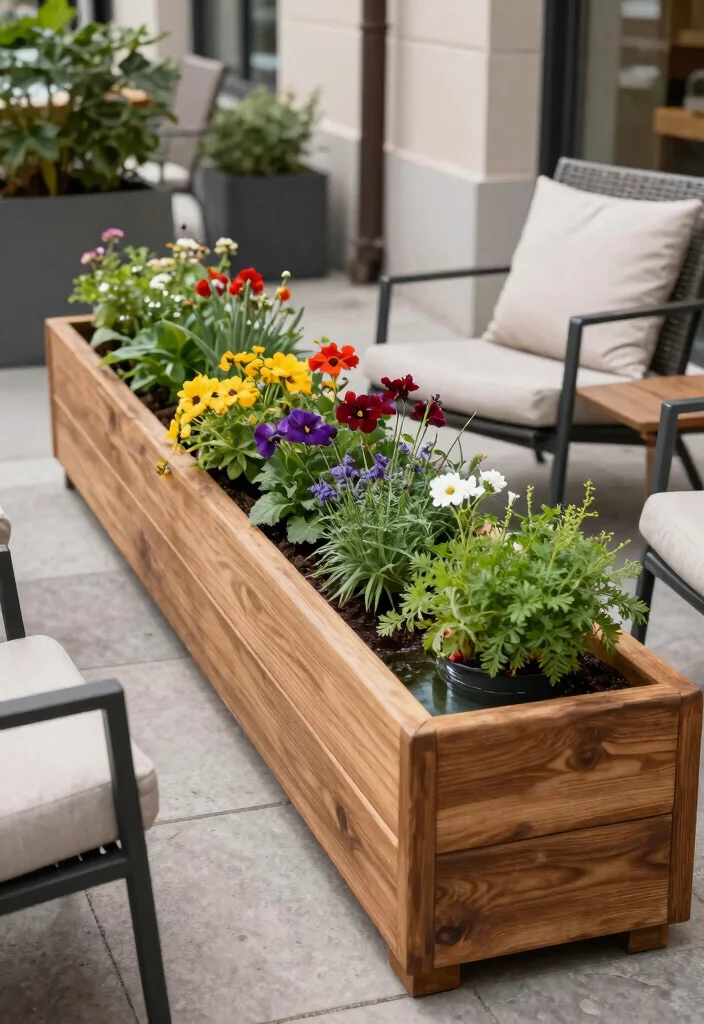
Trough planters are ideal for those wanting to grow multiple plants in limited space. By including a water reservoir at the bottom, these long containers keep various plants hydrated without constant monitoring.They’re perfect for growing herbs, flowers, or small vegetables. You can easily place them on patios or balconies, optimizing your space. Personalize your troughs with paint or decorations to match your style.Consider these benefits of trough planters:
– Plant Variety: Grow herbs, flowers, or veggies.
– Space Efficiency: Fits well in small areas.
– Customizable Design: Decorate to suit your taste.This solution allows you to maximize your gardening potential, turning small spaces into lush, productive areas.
7. Terracotta Watering Balls
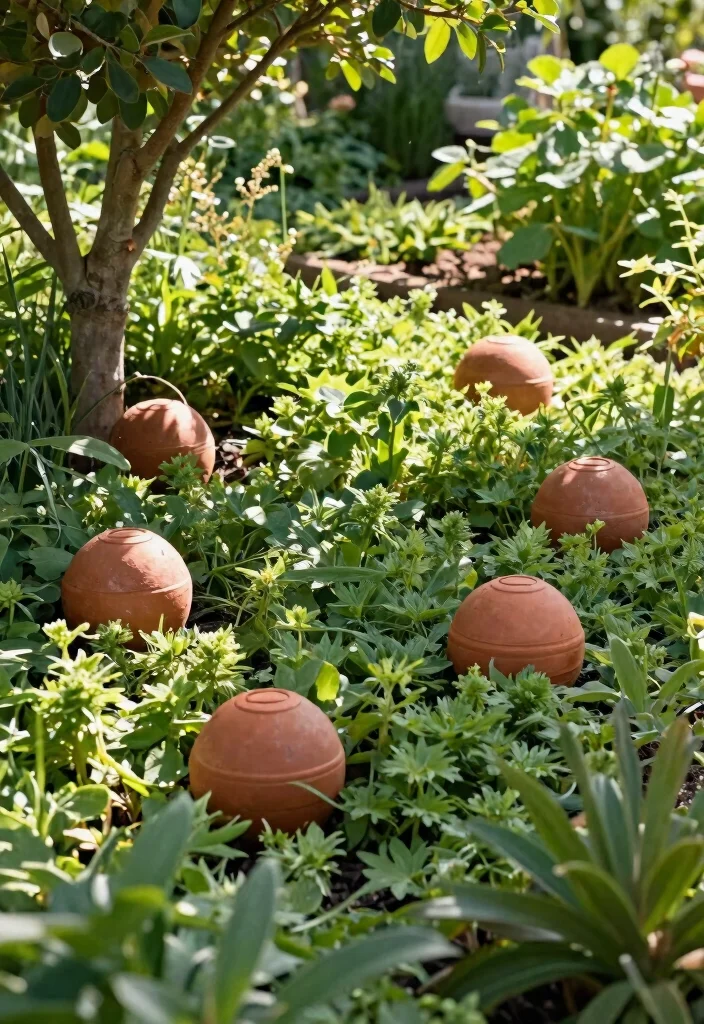
Terracotta watering balls are a charming addition to any self-watering setup. Fill the ball with water and insert it into the soil, allowing the porous material to slowly release moisture over several days, keeping your plants hydrated.These balls combine simplicity with elegance, adding a rustic charm to your garden. They’re perfect for vacations, reducing the need for frequent watering. Available in various sizes and styles, they can enhance your garden’s overall aesthetic.Explore the charm of terracotta watering balls:
– Simple Yet Elegant: Adds rustic charm and functionality.
– Vacation Friendly: Reduces watering needs while away.
– Decorative Options: Choose from different styles and sizes.Incorporating terracotta balls into your gardening routine makes lazy gardening both chic and effortless.
8. Hydroponic Towers
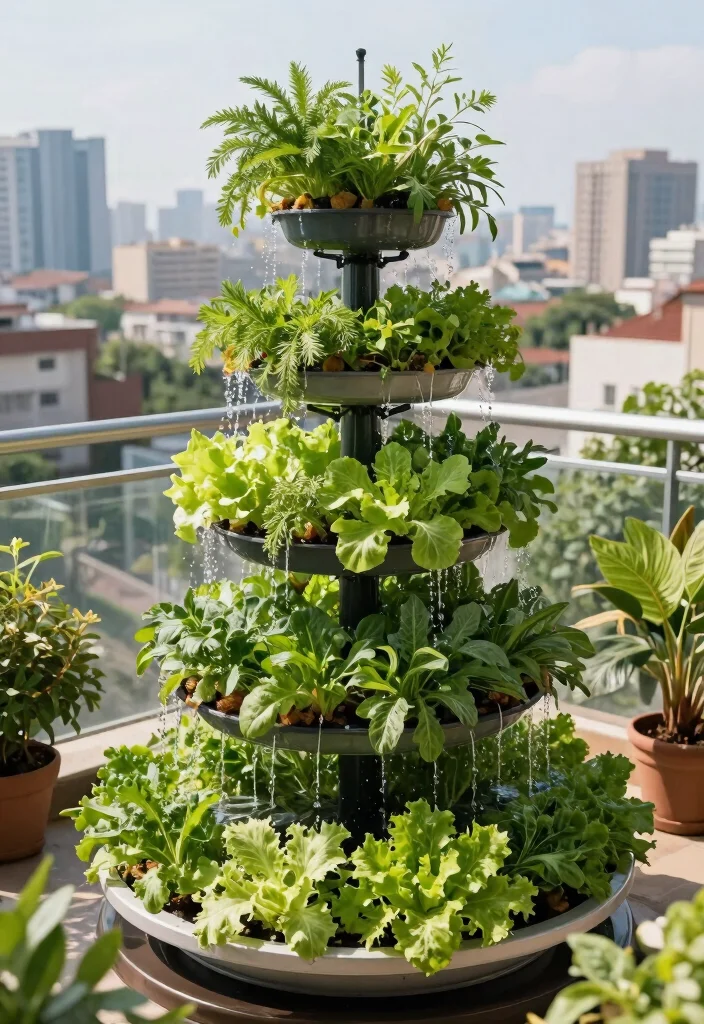
Hydroponic towers offer a space-saving solution for growing plants without soil. These vertical systems use nutrient-rich water to nourish your plants, allowing them to thrive in compact environments.They’re perfect for urban gardening, fitting snugly into tight corners. Maintenance is minimal compared to traditional gardening methods, and they allow you to grow anything from herbs to strawberries. This method promotes a greener lifestyle while maximizing space.Consider these advantages of hydroponic towers:
– Vertical Space Utilization: Fit into small areas effectively.
– Low Maintenance: Easier than traditional gardening.
– Grow Variety: Perfect for a range of plants.This innovative approach makes urban gardening accessible and efficient, promoting sustainable practices in small spaces.
9. Smart Plant Monitors
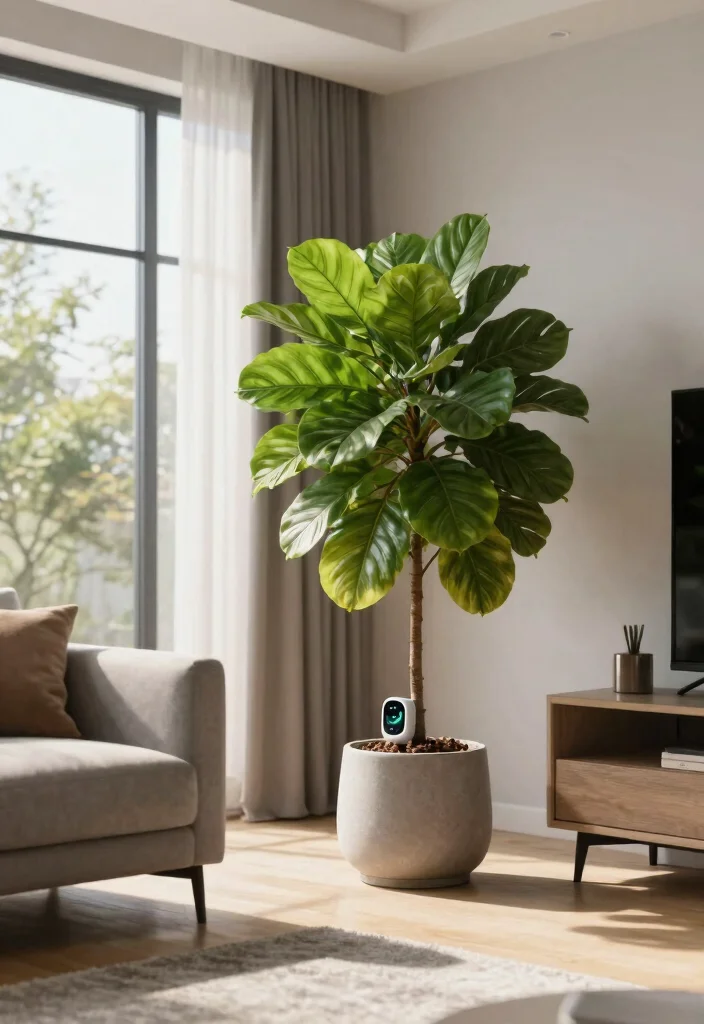
Integrating technology into your gardening routine can greatly benefit busy gardeners. Smart plant monitors keep track of moisture levels, light, and temperature, alerting you on your phone when it’s time to water or make adjustments.These devices are ideal for urbanites who desire a thriving garden without the constant effort. You can monitor your plants remotely and use data insights to optimize their growth conditions.Explore the benefits of smart plant monitors:
– Tech Meets Gardening: Ideal for busy lifestyles.
– Remote Access: Check plant status from anywhere.
– Data Insights: Make informed growth decisions.This tech-driven approach makes gardening easier and more efficient, ensuring your plants thrive even on your busiest days.
10. Upcycled Wooden Pallets
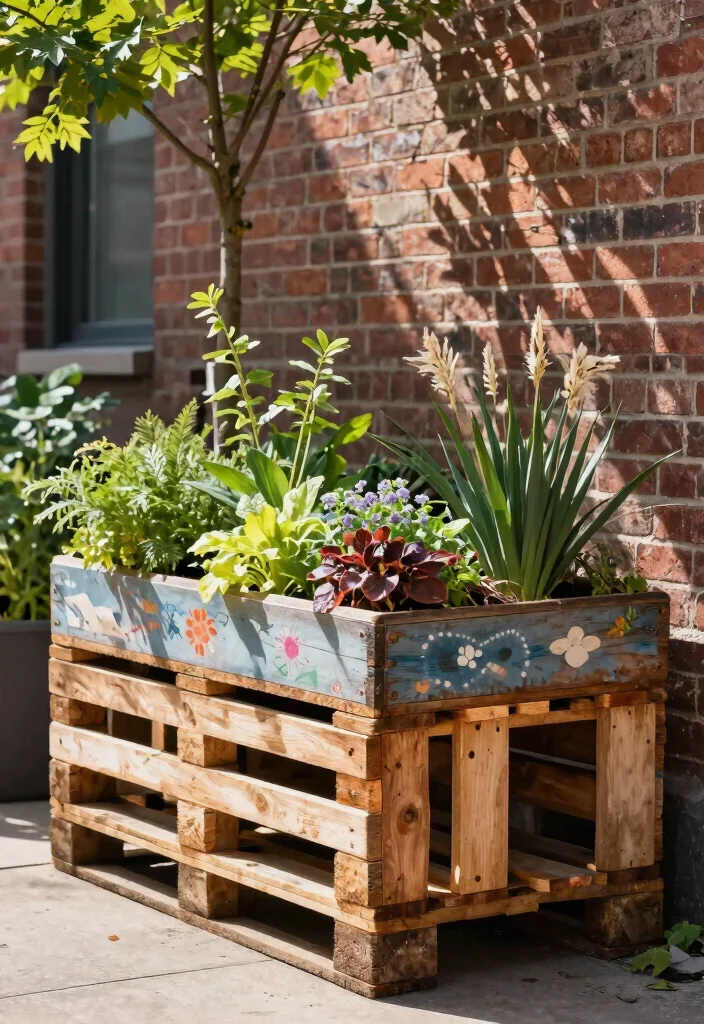
Creating a vertical garden with upcycled wooden pallets is a creative and eco-friendly solution. Lay the pallets flat, fill them with soil, and plant herbs or flowers in the slats. Adding a self-watering system can help maintain moisture effortlessly.This sustainable option not only reduces waste but also gives new life to old materials. You can customize your pallets by painting them or leaving them natural for a rustic look. They’re perfect for maximizing vertical growth in small spaces.Consider these benefits of upcycled wooden pallets:
– Eco-Friendly: Reduces waste and repurposes materials.
– Unique Aesthetic: Customize with paint or natural finishes.
– Space Efficient: Ideal for small balconies or yards.This approach enhances your gardening experience while promoting sustainability, making it a win-win for you and the environment.
11. Hanging Self-Watering Planters
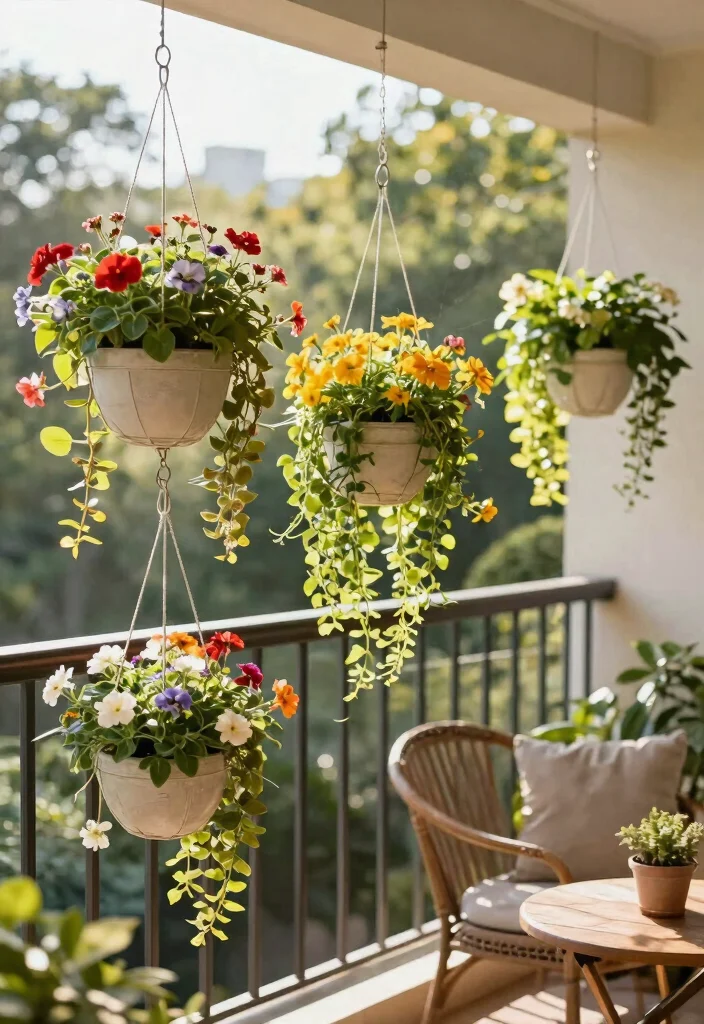
Hanging self-watering planters are perfect for maximizing limited floor space. They not only save space but also add visual interest to your home or balcony. With a built-in reservoir, these planters self-water, ensuring your plants thrive with minimal upkeep.They are ideal for growing herbs, flowers, or trailing plants, making them both functional and decorative. Choose from a variety of designs to fit your home decor style, allowing greenery to elevate your space.Explore the advantages of hanging planters:
– Vertical Gardening: Perfect for a variety of plants.
– Space-Saving Design: Great for small areas.
– Stylish Options: Available in designs to match your decor.This choice allows you to enjoy vibrant greenery in the air, transforming even the tiniest spaces into lively garden retreats.
Did you know hanging self-watering planters can cut daily watering by up to 50%? Their built-in reservoir feeds herbs and trailing plants even when you’re away, making tiny balconies feel lush and effortless.
Conclusion
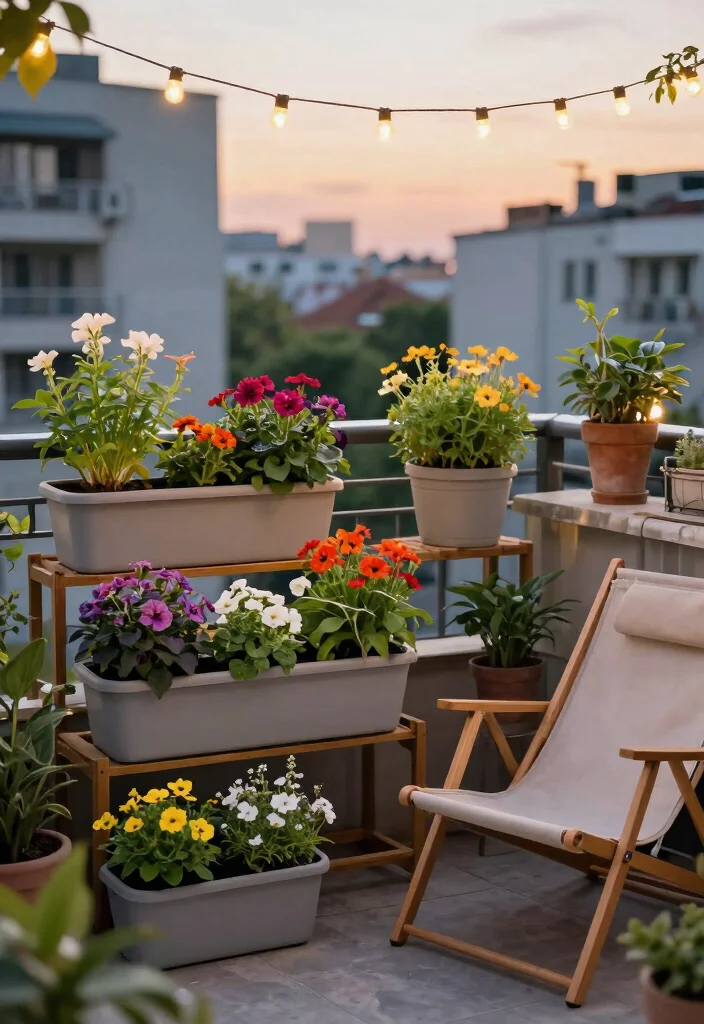
Self-watering planters are revolutionizing how we approach urban gardening, combining sustainability with convenience and style. With these genius ideas, even the busiest individuals can cultivate a flourishing garden in small spaces. From repurposed materials to high-tech solutions, there are endless possibilities for creating your green oasis. So, which idea will you try first? Let your creativity flourish and enjoy the beauty of lazy gardening!
Note: We aim to provide accurate product links, but some may occasionally expire or become unavailable. If this happens, please search directly on Amazon for the product or a suitable alternative.
This post contains Amazon affiliate links, meaning we may earn a small commission if you purchase through our links, at no extra cost to you.
Frequently Asked Questions
What are self-watering planters and why are they perfect for lazy gardening in small spaces?
Self-watering planters are containers that keep roots consistently moist by feeding water from an internal reservoir into the soil, usually through a wick or capillary action.
They dramatically reduce daily watering and prevent soil from drying out in hot apartments, making them perfect for lazy gardening ideas in urban spaces.
To set one up: choose a container with a built‑in reservoir or pair two pots with a tray; add a bottom water chamber, insert a wick from the reservoir into the soil, and cover the soil with mulch; fill the reservoir and monitor the water level.
Tip: use a potting mix with good drainage and place herbs like basil, parsley, or thyme near a sunny window. If you’re into pellet smoker cooking tips, growing fresh herbs in these planters gives you ready-to-use flavors.
Which plants are best suited for self-watering planters in urban balconies and tiny patios?
For small-space self-watering planters, go with herbs (basil, parsley, cilantro, thyme), leafy greens (lettuce, spinach), and compact fruiting plants (dwarf cherry tomatoes, compact peppers, strawberries).
Choose varieties that stay compact and root shallow to maximize the planter’s reach. Place them in bright, sunlit spots and rotate containers to keep growth even.
These choices fit well with container gardening solutions for tight spaces and hit easy gardening hacks goals for sustainable gardening techniques.
How can I DIY a cost‑effective self-watering planter using items I already have?
You don’t need fancy gear to get started. A simple DIY setup uses two pots and a tray as a reservoir, or a single container with a built‑in water chamber.
Create a wick (cotton cord works well) that runs from the water reservoir into the soil to deliver moisture as needed. Add a drainage layer and fill the reservoir with water; mulch the top to prevent evaporation. This approach is a great example of sustainable gardening techniques and easy gardening hacks you can apply in minutes.
How often should I check moisture and refill the reservoir in self-watering planters?
In warm or sunny conditions, check moisture every 1–3 days at first to calibrate your setup. The soil should feel like a wrung‑out sponge—not bone dry and not soggy.
Keep the reservoir topped up so the wick stays saturated, and watch for signs of overwatering such as yellow leaves or a soggy surface. Use a simple moisture meter if you want quick readings, and adjust watering frequency based on plant type and container size.
What lazy gardening ideas and sustainable techniques help maximize yields in small spaces?
Try stacking and vertical arrangements to maximize space without extra effort. Use self watering planters for consistency, plus mulching and slow‑release fertilizers to cut upkeep. Group plants with similar water needs, rotate sun-loving and shade-tolerant crops, and repurpose household items into planters to cut waste. These easy gardening hacks are core to sustainable gardening techniques and suit urban gardeners looking for container gardening solutions in tiny balconies.
![13 Custom DIY Outdoor Griddle Ideas [Built In Layouts]](https://roomeena.com/wp-content/uploads/2026/04/13-Custom-DIY-Outdoor-Griddle-Ideas-Built-In-Layouts-150x150.webp)