Creating a beautiful pond in your garden can be a dream come true, but keeping that water crystal clear often feels like an uphill battle. If you’ve found yourself struggling with murky water and unsightly algae, you’re not alone. This post was crafted to help you tackle that challenge head-on. With the right DIY pond filter ideas, you can maintain a vibrant and inviting aquatic space that not only enhances your landscape but also supports local wildlife.
If you’re someone who cherishes your garden and loves exploring eco-friendly solutions, this guide is perfect for you. Whether you’re a seasoned gardener or just starting out, easy-to-follow pond filtration systems can make a world of difference. You’ll discover nine unique DIY ideas that are not only budget-friendly but also effective in achieving clear, healthy water.
Dive into this blog for tips that are practical, accessible, and designed to fit your needs. By the end, you’ll be equipped with the knowledge to create your own natural pond filters, ensuring that your garden pond remains a serene escape all year round.
Key Takeaways
– Learn about the benefits of using natural bog filters, which promote healthy biodiversity in your pond.
– Discover how a DIY biofilter can create an efficient ecosystem for your aquatic plants and fish.
– Uncover the charm of a waterfall filter, which not only purifies water but also adds aesthetic appeal.
– Explore the simplicity of a sand filter and how it uses layers of materials to clean your pond effectively.
– Understand the importance of incorporating aquatic plants in your filtration systems to enhance natural water clarity and support wildlife.
1. Natural Bog Filter
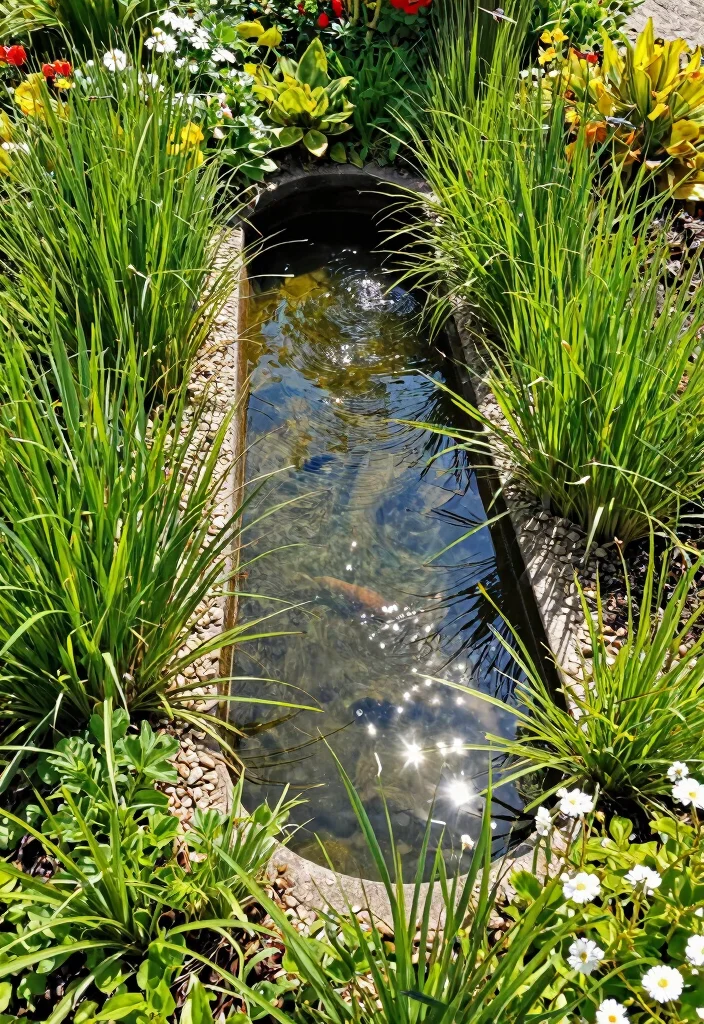
A natural bog filter is a stunning and efficient way to purify your pond water. This design features a shallow gravel area filled with vibrant plant roots that naturally cleanse impurities. By selecting a sunny spot in your pond, you can create a beautiful ecosystem that thrives while keeping your water clear and healthy.
To set up, dig a shallow trench and fill it with gravel and sand, allowing for optimal water flow. Choose attractive aquatic plants like rushes, sedges, or irises to plant in the gravel, as they absorb excess nutrients, effectively combating algae growth. Here are some helpful tips:
– Use native species: They thrive better and provide effective filtration.
– Regularly prune plants: This maintains health and tidiness.
– Monitor water flow: Ensure it is sufficient for effective filtration.
Over time, your bog filter will flourish into a self-sustaining ecosystem, purifying your pond while providing a habitat for various aquatic creatures.
Did you know the small bog filter can cut pond nutrients by up to 40% in a season? With pond bog filter ideas, a sunny shallow trench and plant roots quietly do the cleaning work—no harsh chemicals needed.
2. DIY Biofilter
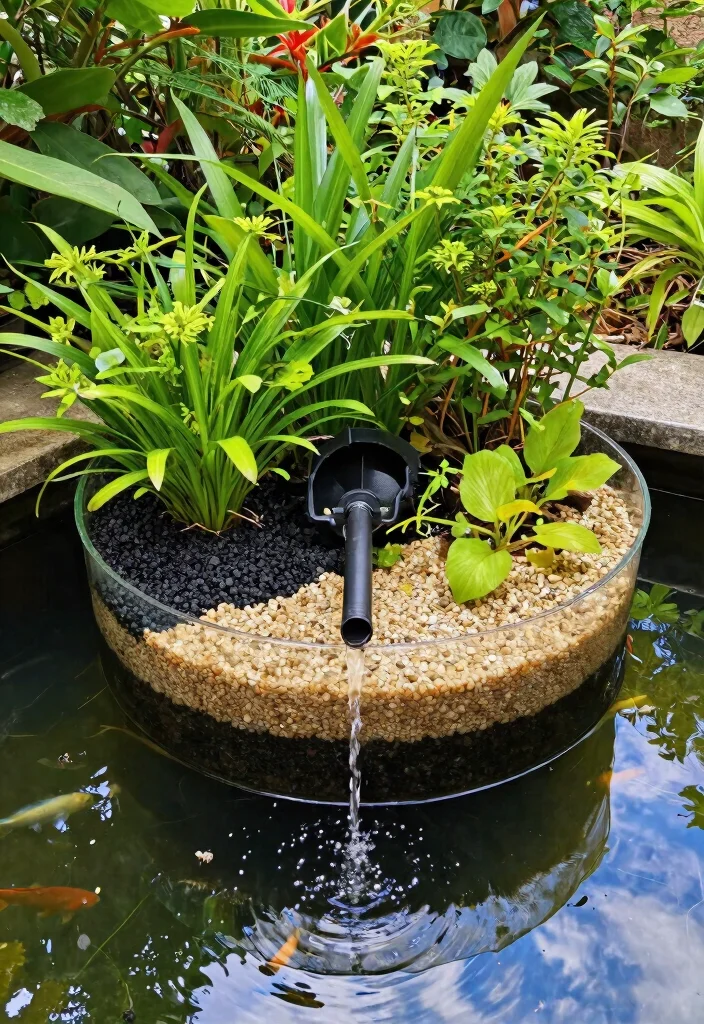
Crafting a DIY biofilter is a fantastic way to keep your pond crystal clear without relying on harsh chemicals. This system uses beneficial bacteria to break down waste, making your water healthier for fish and plants. Start by selecting a large container or tub that can hold ample water, filling it with layers of gravel, sand, and activated carbon to encourage bacteria growth.
As the pond water flows through, it will be filtered and purified. Consider adding hardy aquatic plants like water hyacinth or duckweed directly into the biofilter to enhance its effectiveness. Here are a few pointers to help you:
– Place it near the pond: This ensures easy water flow.
– Check for clogs regularly: Keep gravel sediment clear for optimal flow.
– Avoid using chlorine: It will kill beneficial bacteria.
Your biofilter will evolve into an essential part of your pond’s ecosystem, fostering a balanced environment for aquatic life.
Fun fact: A DIY biofilter with gravel, sand, and activated carbon can reduce ammonia by up to 50% as bacteria establish themselves. With hardy plants naturalizing the system, your pond bog filter ideas become a mini-cleanup crew that works around the clock.
3. Waterfall Filter
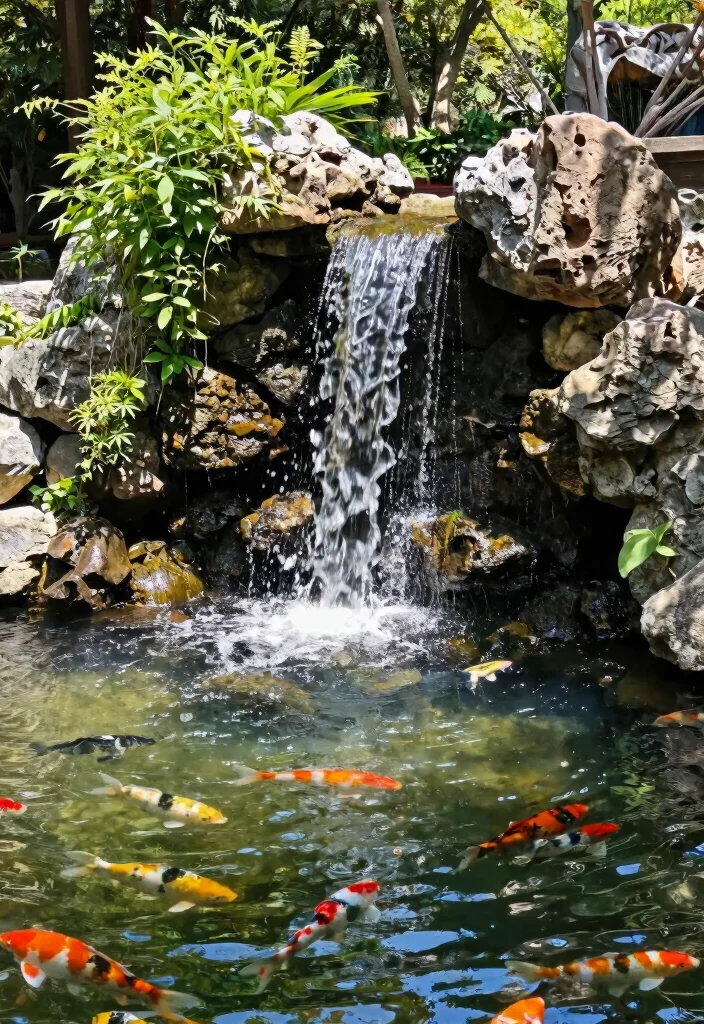
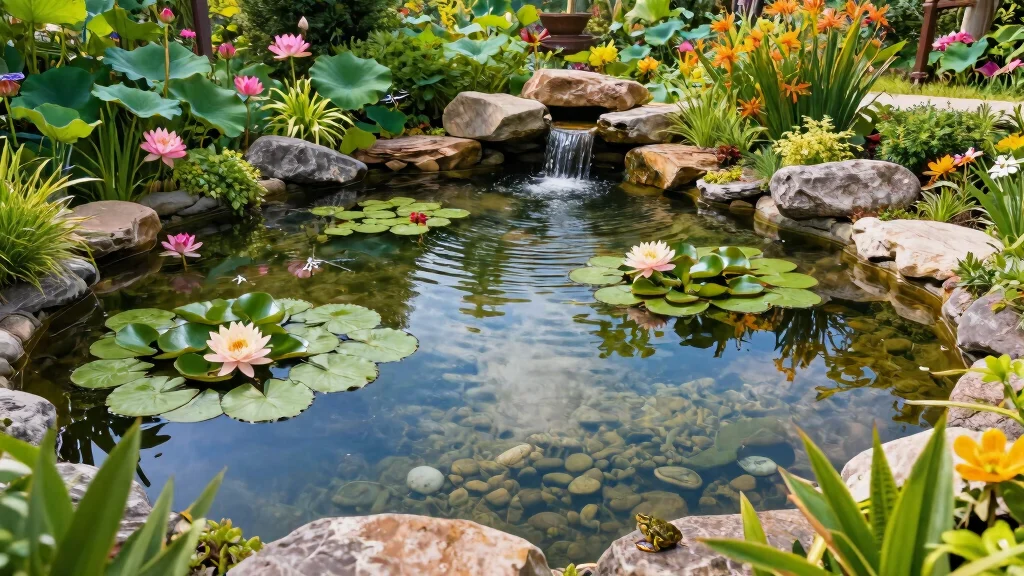
A waterfall filter adds both charm and functionality to your pond, creating a beautiful feature while filtering water effectively. By building a small waterfall, you can allow water to cascade down rocks, providing natural aeration and mechanical filtration. Choose a suitable location where water can flow naturally, and use large stones to create a robust waterfall structure.
To boost its filtration ability, line the waterfall with gravel and filter media, capturing debris as the water flows down. Here are some suggestions to enhance your setup:
– Incorporate plants: Position aquatic plants along the edges for a natural touch.
– Ensure proper water flow: Use a pump to maintain a steady current.
– Maintain your rocks: Regularly check for algae buildup.
This waterfall filter not only beautifies your pond but also creates a soothing atmosphere, making your garden a perfect escape.
Difficulty Rating & Requirements
Overall Difficulty Rating: Medium
Creating a DIY pond filter can be moderately challenging. It requires some hands-on skills and creativity, making it suitable for hobbyists or gardeners with a bit of experience. If you enjoy working with your hands and learning new techniques, this project can be quite rewarding.
Time Estimate:
⏱ Estimated time: 3-5 hours
– Planning and design: 1-2 hours
– Gathering materials: 1 hour
– Assembly: 1-3 hours depending on the complexity of your chosen filter.
Skill Requirements:
– Required skills: Basic carpentry, plumbing, and gardening knowledge. Some familiarity with aquatic plants can also help.
– Beginner-friendly: Yes. This project is beginner-friendly if you’re willing to learn and follow instructions carefully.
– Skills that can be learned: Basic assembly skills, understanding of water flow, and plant positioning. Skills that require experience include more advanced plumbing techniques and electrical work for pumps.
Tools & Materials Needed:
🧰 Essential items checklist:
– Pond liner (required)
– Pump (required)
– PVC piping (required)
– Gravel or rocks (required)
– Aquatic plants (optional but recommended)
– Filter media (optional depending on design)
– Tarp for assembly (optional for easier cleanup)
– Waterproof tape (optional for sealing joints)
Step-by-Step Overview:
1. Planning and Design (1-2 hours): Decide on the type of filter you want to build. Research designs that suit your garden pond’s size and requirements.
2. Gathering Materials (1 hour): Collect all necessary tools and materials. Make sure you have everything on the checklist before starting.
3. Assembly (1-3 hours): Follow your design to build the filter. This usually involves digging, laying down the pond liner, and assembling the pump and filter components.
4. Testing (30 minutes): Once assembled, test the filter to ensure proper water flow and clarity. Make any necessary adjustments.
5. Adding Plants (1 hour): If using aquatic plants, position them around or inside the filter for added filtration and aesthetic appeal.
Cost Comparison: Professional vs DIY:
Hiring a professional to install a pond filtration system can cost anywhere from $300 to $2000, depending on the size and complexity. On the other hand, a DIY project can typically be completed for around $100 to $500, depending on the materials chosen. If you enjoy gardening and DIY projects, tackling this yourself can save money and provide a sense of accomplishment. However, if you’re unsure about your skills or the project seems too daunting, hiring a professional might be the better route.
4. Sand Filter
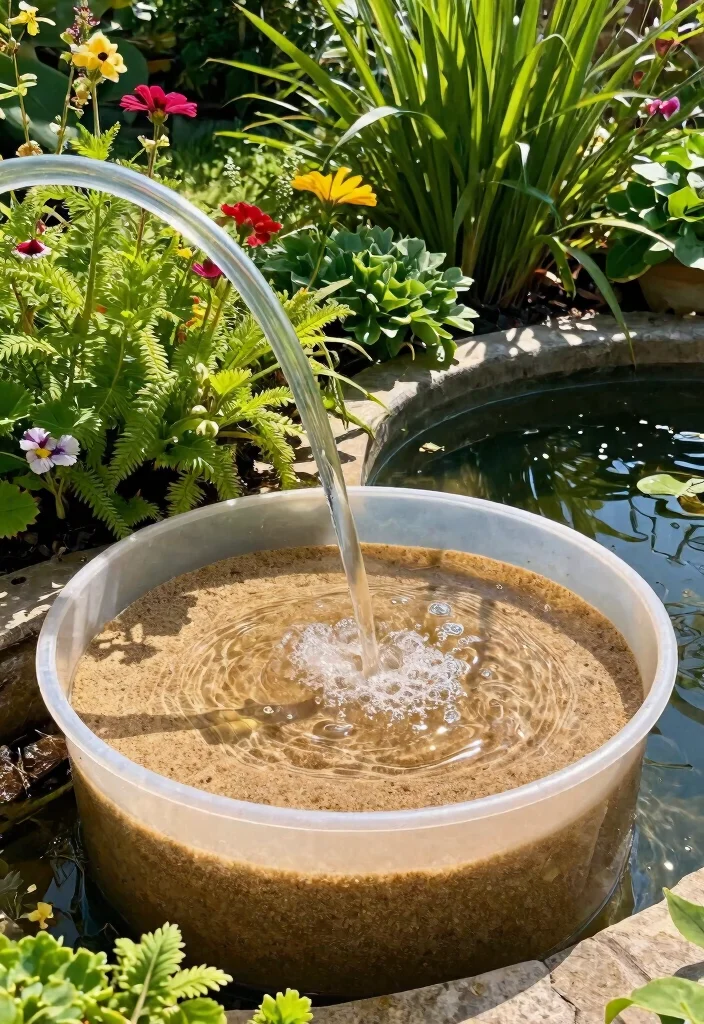
A sand filter is a straightforward yet effective method for keeping your pond water clear. It works by forcing water through a layer of sand, capturing particles and impurities in the process. To create this filter, start with a large container filled halfway with sand, and position it lower than your pond to utilize gravity for water flow.
You can enhance filtration by adding a layer of activated carbon on top of the sand. To facilitate good water flow, use a submersible pump to draw water from the pond into the sand filter. Here are some tips for optimal performance:
– Keep layers distinct: Vary sand or gravel sizes to enhance filtration.
– Clean the filter regularly: Rinse sand to remove blocked debris.
– Check for clogs: Ensure water flows freely to prevent stagnation.
This system naturally cleans your pond while promoting beneficial bacteria, helping to maintain a healthy ecosystem.
5. Aquatic Plant Filter
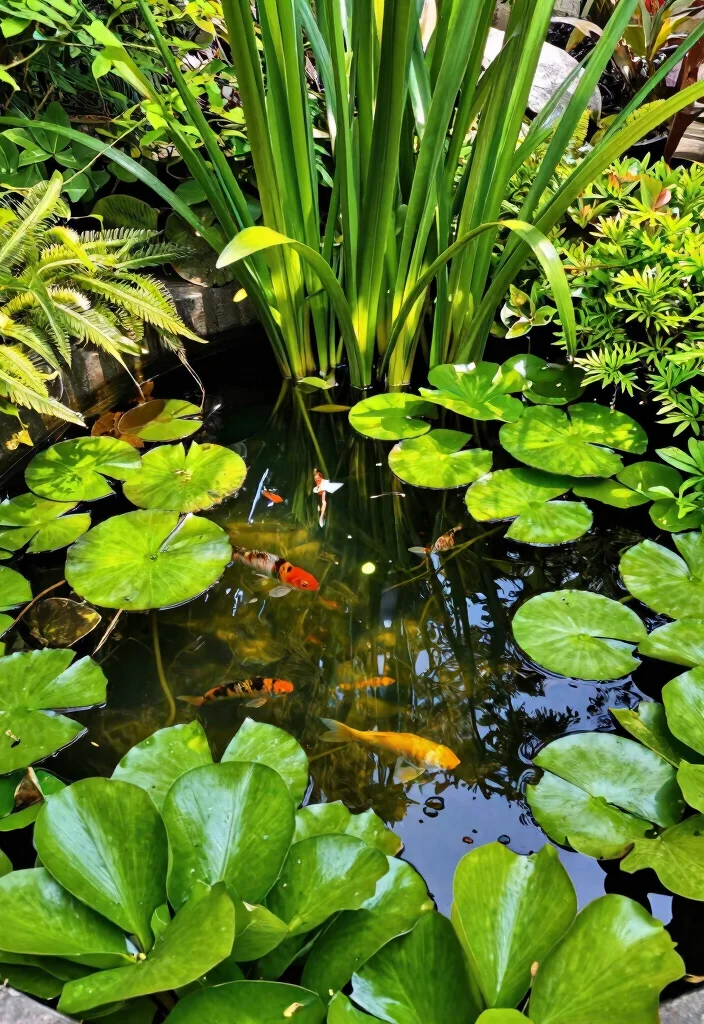
An aquatic plant filter is a stunning way to blend beauty with function in your pond. By strategically placing various aquatic plants, you can naturally filter and purify the water, ensuring a healthy environment. Ideal plants include water lilies, cattails, and submerged varieties that flourish in water, all of which provide oxygen and absorb nutrients essential for aquatic life.
To set up, plant a dense collection of these species at the edges and in shallow sections of your pond. Here are some insights for success:
– Choose native plants: They are more resilient and suited to your local ecosystem.
– Consider plant height: Use taller species in back and shorter ones in front for a layered effect.
– Rotate plants seasonally: This maintains visual interest and health.
This natural filtration method not only cleans your pond but also creates a vibrant focal point filled with color and life.
6. DIY Skimmer Filter
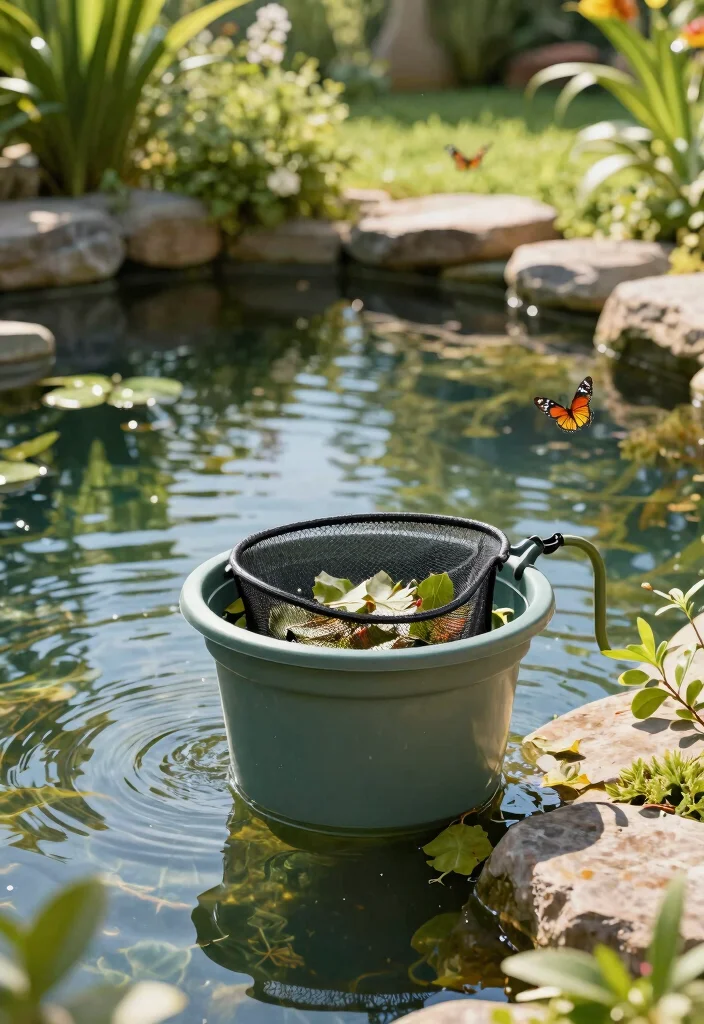
A DIY skimmer filter is a smart solution to keep leaves and debris out of your pond, ensuring pristine water. Building one is quite simple; all you need is a sturdy container and a method to direct water into it. Position the skimmer at the pond’s edge, equipped with a net to catch debris as water flows in, and layer filter pads inside to trap finer particles.
Regular maintenance will be crucial; clean the net and filter pads frequently for optimal performance. Here are some additional tips:
– Position correctly: Place it where debris collects, like near overhanging trees.
– Add a pump: This will help circulate water through the skimmer.
– Check for leaks: Ensure the setup remains intact to avoid water loss.
This filtration method minimizes algae growth, allowing you to enjoy your pond’s natural beauty hassle-free.
7. Gravel Filter
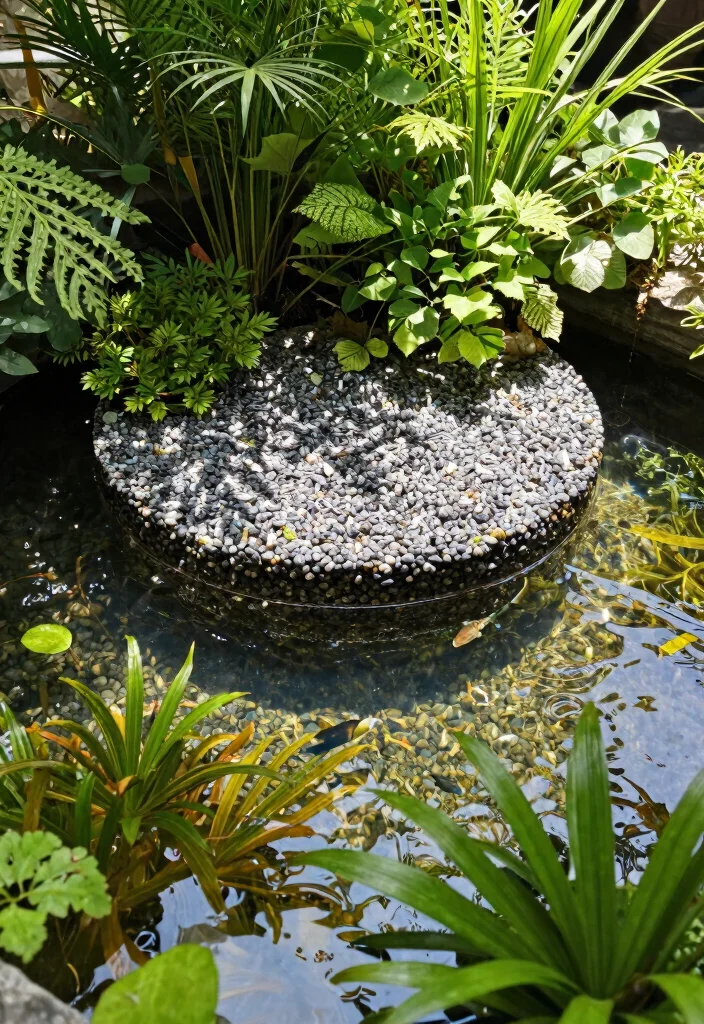
A gravel filter is a practical DIY solution for maintaining clear pond water. This method involves layering gravel in a designated area, creating a natural filtration system. Start by selecting a shallow section of your pond, filling it with gravel to a depth of about one foot. This setup allows beneficial bacteria to thrive and naturally break down waste.
To enhance filtration, add a layer of coarse sand on top of the gravel and ensure to clean it regularly to prevent clogging. Here are some suggestions to ensure success:
– Choose a variety of gravel sizes: This improves both filtration and aeration.
– Incorporate plants: Adding submerged plants enhances filtration capacity.
– Monitor water quality: Regular checks ensure a healthy balance.
Your gravel filter will become an essential part of your pond’s ecosystem, providing clear water and a thriving habitat for aquatic life.
8. Fountain Filter
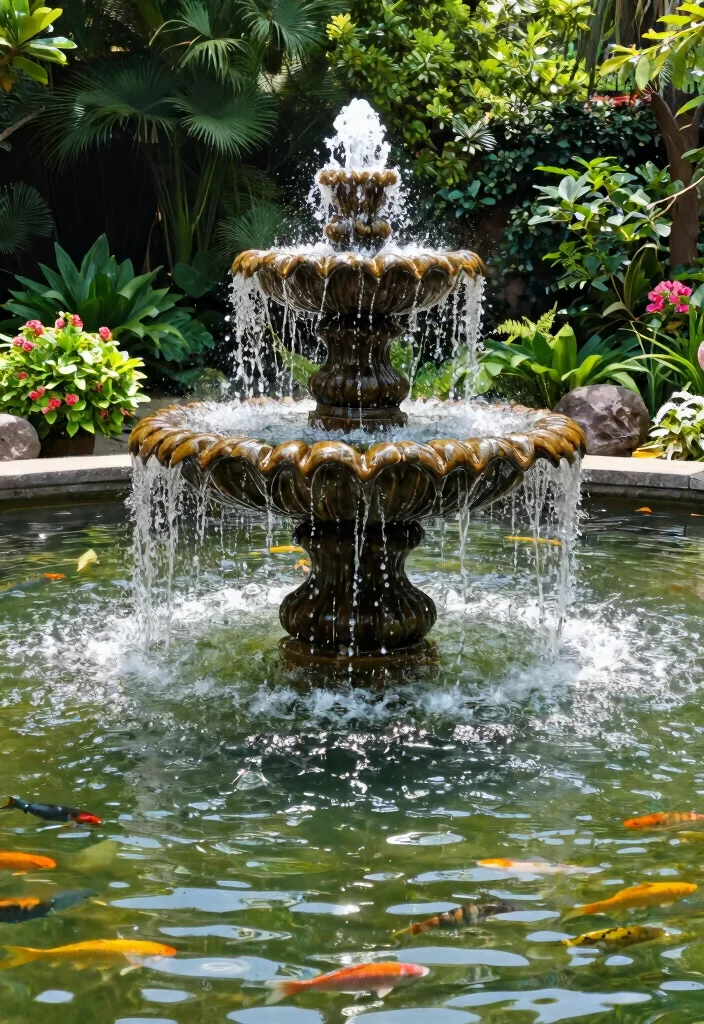
A fountain filter is a captivating feature that also aerates and filters your pond water. Installing a fountain involves using a pump to create an attractive water display while simultaneously drawing water from the pond for filtration. Choose a fountain design you love—varieties range from tiered to spouting—as long as it allows for sufficient water flow.
Enhance the setup by including submerged plants around the base, which will improve both aesthetics and filtration. Here are some tips for effective operation:
– Position the fountain centrally: This maximizes circulation throughout the pond.
– Use an appropriate pump: Ensure it can manage the fountain’s height and volume.
– Add decorative stones: They can help conceal equipment and enhance the overall appearance.
Your fountain will keep the water clear while providing a relaxing sound and an eye-catching design element in your pond.
A fountain filter makes your pond feel alive, and you won’t have to babysit it every day. Keep the water moving, drop in submerged plants, and watch your pond bog filter ideas prove practical in keeping crystal-clear water.
9. Constructed Wetland Filter
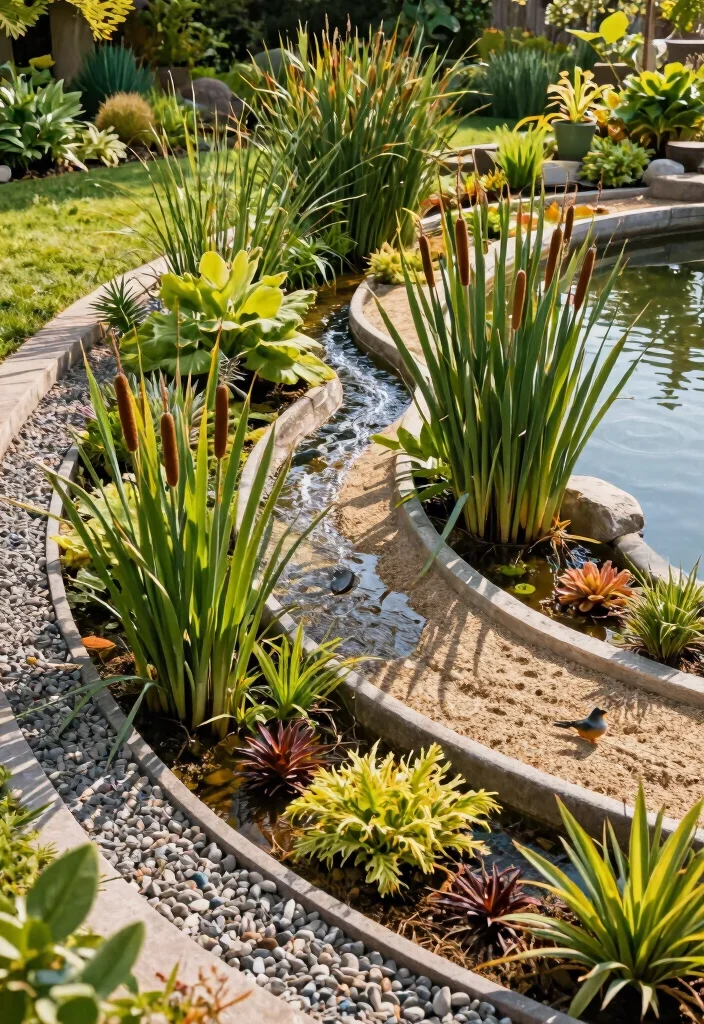
For a more extensive filtration option, a constructed wetland filter is an amazing choice. This design mimics natural wetlands by creating a separate area filled with various plants, soil, and gravel. Start by excavating a shallow area near your pond, lining it with a plastic or liner to retain water. Fill it with layers of gravel, sand, and organic material like compost, then plant wetland species such as cattails or bulrushes.
The plants will flourish in this nutrient-rich setting while effectively filtering water that flows through. Here are some actionable strategies to consider:
– Create a natural flow: Ensure water can travel easily from the pond to the wetland.
– Plant diverse species: This supports a thriving ecosystem.
– Monitor the water level: Keep it steady for optimal plant health.
This innovative solution will enhance your pond’s beauty while providing a robust filtration system, making it a fascinating addition to your garden.
Conclusion
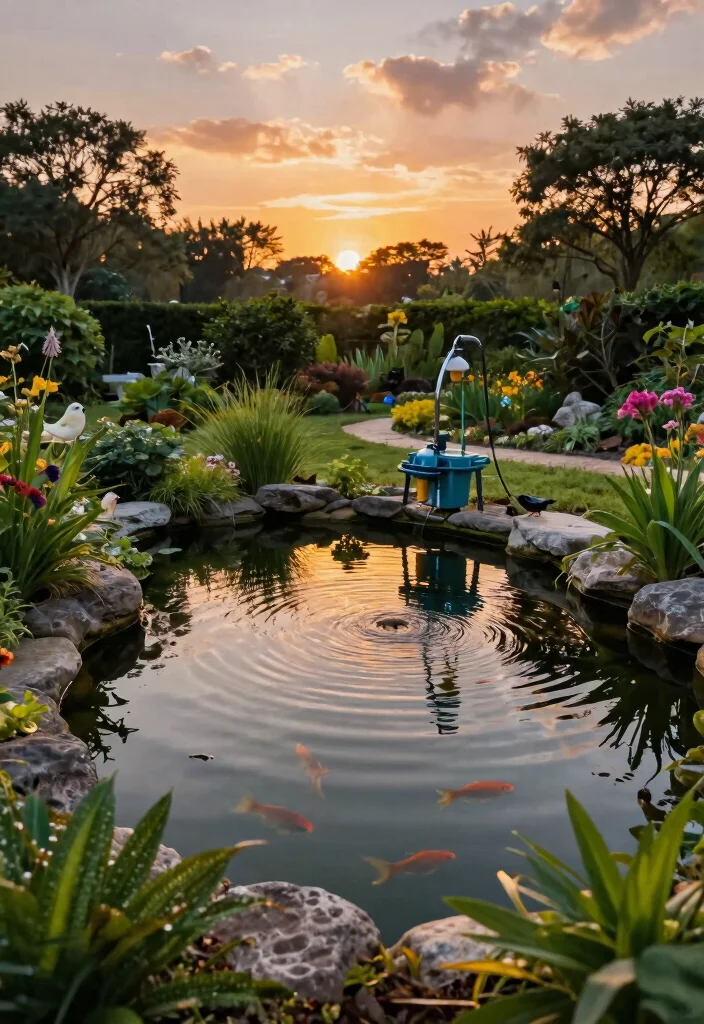
Creating a DIY pond filter not only enhances the beauty of your garden but also nurtures a thriving aquatic ecosystem.
These eco-friendly solutions provide clear water while allowing you to engage with nature on a deeper level. Embrace these ideas and watch as your pond transforms into a serene retreat that attracts wildlife and brings joy to your outdoor space. Don’t forget to share your experiences or any unique filters you’ve created!
Note: We aim to provide accurate product links, but some may occasionally expire or become unavailable. If this happens, please search directly on Amazon for the product or a suitable alternative.
This post contains Amazon affiliate links, meaning we may earn a small commission if you purchase through our links, at no extra cost to you.
Frequently Asked Questions
What exactly are pond bog filter ideas and how do they keep water crystal clear?
Pond bog filter ideas use a shallow, planted bed to act as a natural biofilter. Water from your pond slowly flows through gravel, sand, and plant roots, where beneficial bacteria break down waste and plants remove nutrients. The result is clearer water and a healthier ecosystem for fish and wildlife. They’re a cornerstone of natural pond filters and a great path to eco-friendly pond solutions and clear water gardening.
Getting started: pick a location next to your pond or a separate bog box, build a shallow bed (about 6–12 inches deep), line it or use a container, fill with gravel and soil, and plant hardy aquatic plants like water iris, sedges, or small lilies. Then connect an overflow or a small pump so water cycles through the bog and back to the pond.
Maintenance: trim plants to prevent overgrowth; harvest root mats to keep flow; check periodically for clogging.
Which DIY pond filtration ideas are easiest for beginners to try this season?
If you’re new to DIY pond filtration, start with simple options like a basic bog filter built from a shallow planter or stock tank filled with gravel and a few aquatic plants; add a small pump and simple tubing to move water through the bed. Another easy route is a plant-based surface filter using floating mats or root zones at the pond edge, paired with a basic mechanical pre-filter like a sponge on the pump intake. These approaches cover DIY pond filtration basics and are great for garden pond maintenance beginners looking for clear water gardening and eco-friendly pond solutions.
Tip: choose hardy plants, keep flow moderate, and observe water clarity for a couple of weeks before expanding.
Can I mix different DIY pond filtration ideas to boost performance?
Absolutely. Think of pond bog filter ideas as one layer in a multi-layer filtration system. Combine a bog bed with a small mechanical filter and a mat of beneficial plant roots on the pond edge. The bog handles nutrient removal and biological filtration, while a pre-filter catches debris and a simple circulating pump keeps water moving. Start with a basic setup and gradually add more ideas as you see the water improve.
When mixing, watch flow rates: if water passes too quickly, it won’t filter well; if too slow, you get stagnation. Aim for a gentle turnover that suits your pond size.
How much maintenance do these natural pond filters require, and how do I keep water clear year-round?
Maintenance is generally lower than heavy mechanical filters, but a regular routine matters. Check water clarity weekly, trim spent plant growth monthly, and clear bulky debris from the bog as needed. In spring and summer, you may harvest plant roots and top up soil; in autumn, tidy the plantings and prepare for winter; in winter, protect the bog from freezing by allowing some water movement or insulating the bed. Avoid over-cleaning the bog media; you want some beneficial bacteria left intact.
What starter gear should I gather to start a DIY bog filter for my garden pond?
Here’s a starter list: a small pond pump (3,000–5,000 L/h for mid-sized ponds), flexible tubing, a shallow planter or wooden box lined with pond liner for the bog, a bag of clean gravel and some planting media, a selection of hardy aquatic plants (water iris, rushes, cattails), and a simple pre-filter sponge for the pump intake. Optional: a second-tier media like bio-balls or felt mats. With these, you can implement a basic pond bog filter ideas and expand as you learn.

![13 Custom DIY Outdoor Griddle Ideas [Built In Layouts]](https://roomeena.com/wp-content/uploads/2026/04/13-Custom-DIY-Outdoor-Griddle-Ideas-Built-In-Layouts-150x150.webp)