![13 Natural Pond Bog Filter Ideas [Eco Friendly]](https://roomeena.com/wp-content/uploads/2026/04/13-Natural-Pond-Bog-Filter-Ideas-Eco-Friendly.webp)
Creating a natural pond is like crafting your own piece of paradise, but it can feel overwhelming at times. If you’re tired of dealing with murky water and chemical treatments that don’t seem to work, you might be craving a more sustainable solution. That’s where eco-friendly bog filters come in. They not only help to clean your pond but also enhance its beauty by incorporating a variety of aquatic plants. This post is here to guide you through 13 natural pond bog filter ideas that are both effective and environmentally friendly.
Whether you’re a seasoned gardener or just starting out, this blog is for anyone who loves eco-friendly gardening and wants to maintain a healthy pond. You’ll discover designs that not only filter your water but also support local ecosystems. Each idea is simple enough for DIY enthusiasts, yet impactful enough to make a real difference. By the end of this article, you’ll have a treasure trove of bog filter designs that are practical, sustainable, and perfect for your natural pond maintenance.
Get ready to explore unique bog filter designs that can transform your pond into a thriving ecosystem. From simple gravel filters to innovative hybrid systems, these ideas will empower you to create a cleaner, more beautiful aquatic environment while caring for your plants. Let’s jump into the world of natural pond bog filters!
Key Takeaways
– Discover 13 creative bog filter designs that enhance pond cleanliness and aesthetics through natural methods.
– Learn how to incorporate native aquatic plants into your filtration system for better water quality and biodiversity.
– Find DIY solutions like coconut fiber filters and rock garden bog filters that are both eco-friendly and budget-friendly.
– Understand the importance of regular pond pump maintenance tips to keep your filtration systems running smoothly.
– Gain insights into sustainable water gardening practices that promote a healthier ecosystem for your pond and its inhabitants.
1. Simple Gravel Bog Filter
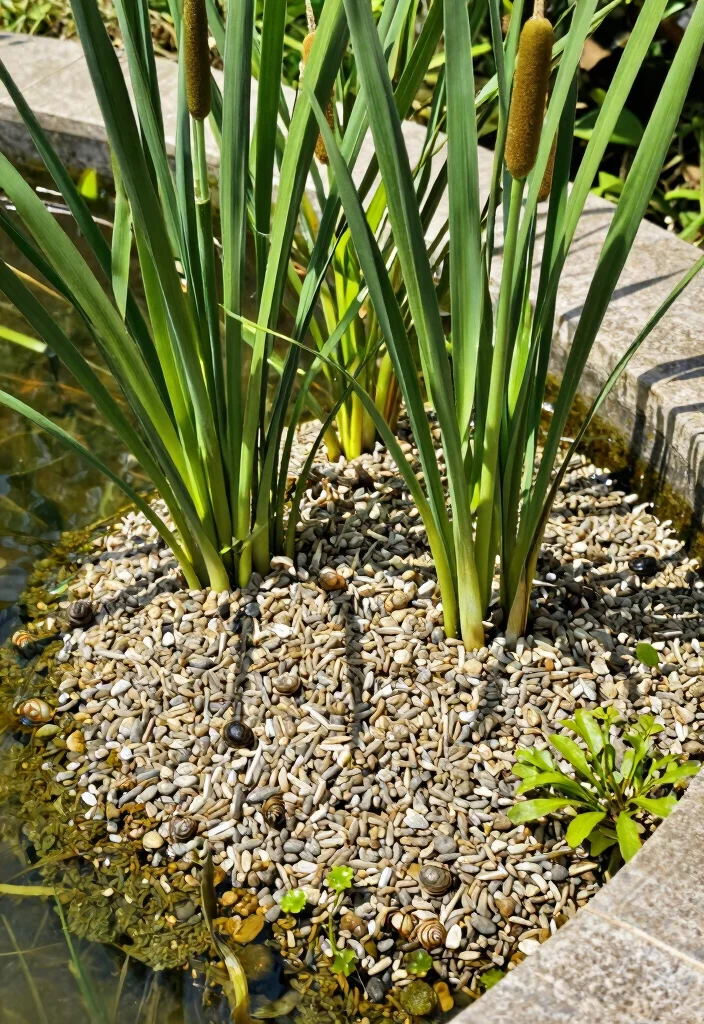
Looking for an easy way to keep your pond clean? A simple gravel bog filter is a fantastic starting point for any pond enthusiast. This straightforward design features a shallow gravel bed filled with aquatic plants, providing a home for beneficial bacteria that help purify your water. Not only does it improve water quality, but it also adds a natural touch to your outdoor space.
To create this filter, dig a small area next to your pond, fill it with gravel, and introduce native plants like cattails or rushes. These plants filter the water while offering shelter for local wildlife, enhancing the ecosystem.
Key tips for setting up your gravel bog filter:
– Ensure it occupies at least 15% of your pond’s total size for best results.
– Regularly prune dead leaves to encourage healthy growth.
– Introduce snails to help keep the gravel clean.
This eco-friendly solution not only keeps your pond water crystal clear but also enriches your garden’s natural beauty.
2. Tiered Bog Filter Design
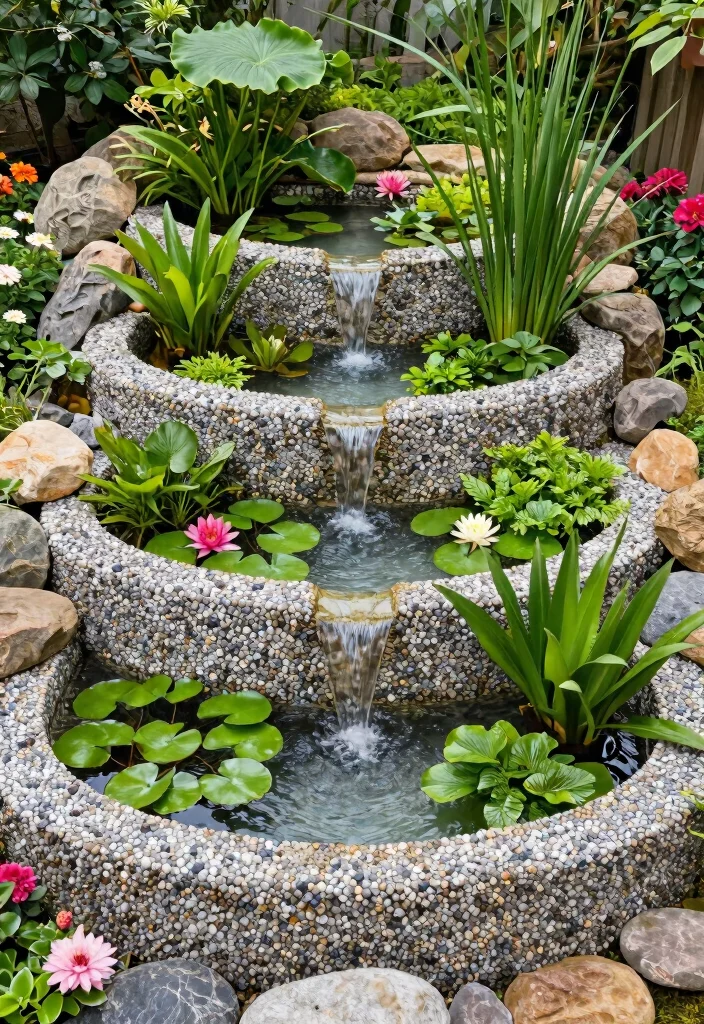
Want to add visual interest while improving your pond’s water quality? A tiered bog filter combines functionality with aesthetics, creating a stunning multi-level filtration system. Each tier can be filled with different types of gravel and a variety of aquatic plants, giving you an eye-catching focal point in your garden.
To build it, construct a framework using wood or stones to support each layer. Fill the tiers with gravel and plant a mix of water-loving species like water lilies and umbrella plants. This diversity enhances filtration while making a striking visual statement.
Important considerations:
– Maintain proper water flow between tiers for maximum efficiency.
– Choose a variety of plants to boost biofiltration.
– Regularly check for clogs that could hinder water movement.
This elegant design not only cleans your pond water but also enhances the beauty of your outdoor space.
3. Floating Plant Bog Filter
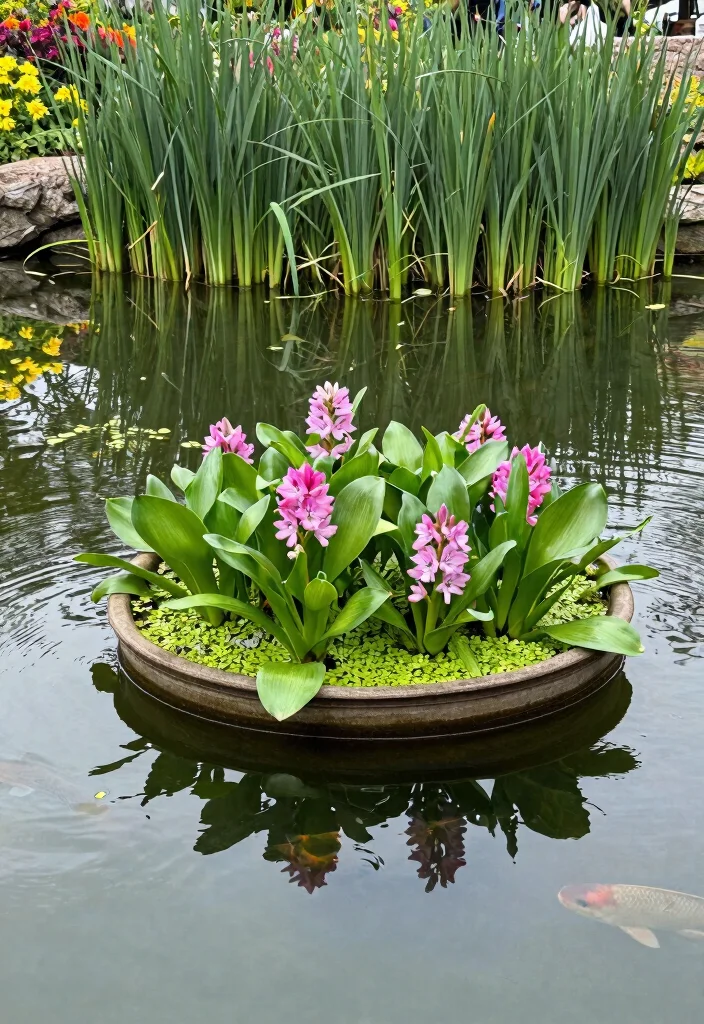
Transform your pond with a unique floating plant bog filter. This creative setup uses buoyant aquatic plants to naturally filter and oxygenate the water while providing shelter for fish. It’s perfect for smaller ponds where traditional filters may not fit.
Simply anchor large planters filled with floating plants like water hyacinths or duckweed. These plants help cleanse the water while adding shade, making your pond a more inviting habitat.
To enhance filtration:
– Combine floating plants with submerged varieties for better results.
– Regularly thin out excess growth to keep your plants healthy.
– Monitor nutrient levels to support a balanced ecosystem.
With floating plants, you’ll create a lively atmosphere in your pond while naturally purifying the water.
Fun fact: floating plant bog filters can cut pond algae by up to 40% in a season, simply by using buoyant plants to filter and oxygenate water. For practical pond pump maintenance tips, anchor planters with water hyacinths or duckweed, and enjoy shade, filtration, and healthier fish in small ponds.
4. Biofiltration with Native Plants
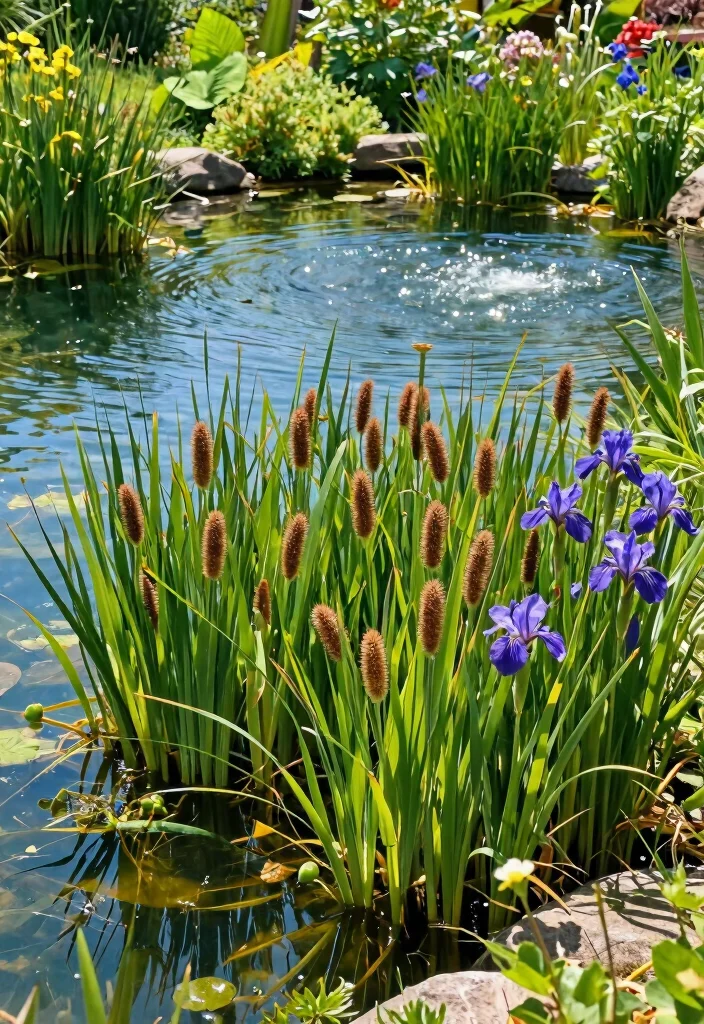
Utilizing native aquatic plants in your bog filter can significantly boost its filtration effectiveness. Native species, adapted to your local environment, require less maintenance and thrive naturally.
Consider planting varieties such as pickerel rush and blue flag iris, which help filter pollutants while providing habitat for local wildlife. A mix of deep and shallow-rooted plants will create a robust bog filter.
Maintenance tips:
– Foster plant diversity to enhance filtration effectiveness.
– Keep an eye on plant health and replace any that are struggling.
– Establish a regular cleaning schedule for gravel to ensure optimal water flow.
This approach not only cleans your pond but also supports local ecosystems, adding beauty to your garden.
5. DIY Coconut Fiber Filter
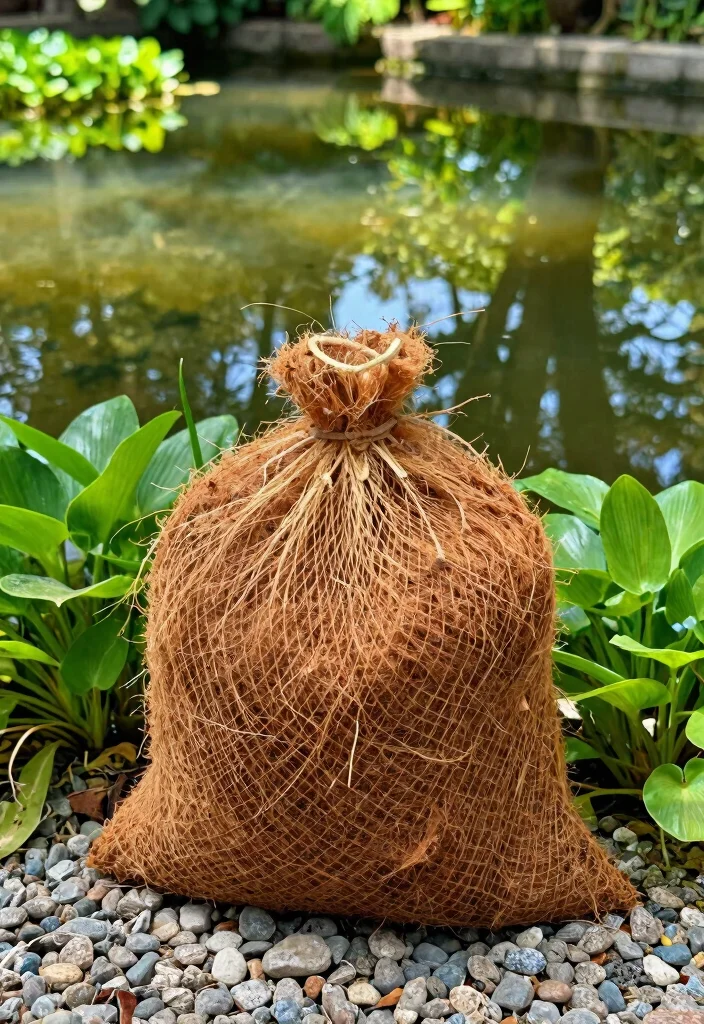
Looking for a sustainable filtration option? A DIY coconut fiber filter is an eco-friendly way to boost your pond’s filtering system. Coconut coir serves as a natural filtration medium that fosters beneficial bacteria to eliminate toxins from the water.
To create this filter, simply fill a mesh bag with coconut fiber and place it in your bog filter area. This approach promotes good water quality while minimizing plastic waste.
For best results:
– Regularly replace coconut fiber to keep it effective.
– Combine it with other filter types for improved results.
– Monitor fish health to ensure your filter meets their needs.
This innovative design encourages sustainable practices while enhancing your pond’s ecosystem.
Did you know coconut coir boosts beneficial bacteria in ponds? This DIY coconut fiber filter is an eco-friendly upgrade and a quick guide to pond pump maintenance tips. Simply fill a mesh bag with coconut fiber and place it in your bog filter.
Ongoing Maintenance & Care Guide
Maintaining a natural pond bog filter is essential for keeping your ecosystem healthy and thriving. Regular care ensures that your water remains clean and your plants flourish. Here’s how you can keep your bog filter in top shape.
Maintenance Schedule:
Daily/Weekly Tasks:
– Check Water Levels: Monitor water levels to ensure they remain stable. This should take about 5-10 minutes.
– Inspect for Debris: Look for any floating debris or leaves that could clog the filter. Spend 10-15 minutes on this task.
– Examine Plant Health: Check your aquatic plants for signs of distress or disease. This might take around 15 minutes.
Monthly/Seasonal Tasks:
– Clean Filter Media: Rinse out the filter media to remove algae and debris. Allocate about 30 minutes for this task.
– Trim Overgrown Plants: Prune plants that have outgrown their space. This can take 1 hour depending on the number of plants.
– Inspect Pumps and Plumbing: Check the pump and pipes for leaks or wear. Spend about 30 minutes ensuring everything is in good working condition.
– Test Water Quality: Use a water testing kit to measure pH, ammonia, and nitrate levels. This task can take about 15-20 minutes.
– Add Beneficial Bacteria: Every couple of months, introduce beneficial bacteria to boost your filter’s effectiveness. This takes around 10 minutes.
Maintenance Summary Table:
| Task | Frequency | Difficulty | Time Needed |
|—————————-|—————-|————|——————|
| Check Water Levels | Daily | Easy | 5-10 minutes |
| Inspect for Debris | Weekly | Easy | 10-15 minutes |
| Examine Plant Health | Weekly | Easy | 15 minutes |
| Clean Filter Media | Monthly | Moderate | 30 minutes |
| Trim Overgrown Plants | Monthly | Moderate | 1 hour |
| Inspect Pumps and Plumbing | Monthly | Moderate | 30 minutes |
| Test Water Quality | Monthly | Easy | 15-20 minutes |
| Add Beneficial Bacteria | Every 2 months | Easy | 10 minutes |
Common Issues to Watch For:
⚠️ Warning Signs:
– Algae Blooms: If you see excessive green algae, it means nutrient levels might be too high. Check your water quality.
– Unpleasant Odors: Foul smells can indicate decaying matter or poor water quality. Investigate for dead plants or animals.
– Plant Wilting: If your aquatic plants are wilting or discolored, they may not be getting enough nutrients or light. Adjust their placement or water conditions.
Care Tips:
💡 Practical Tips:
– Rotate Plant Placement: Change the positions of your plants from time to time. This can help them grow better and prevents overcrowding.
– Use Natural Mulch: Add organic mulch around the bog filter. It helps retain moisture and provides additional nutrients to your plants.
– Encourage Wildlife: Attract beneficial insects and animals to your pond by planting native species. This creates a balanced ecosystem.
– Avoid Chemicals: Stay away from chemical fertilizers and pesticides. They can harm aquatic life and disrupt your pond’s natural balance.
– Regular Documentation: Keep a maintenance log to track what you’ve done and when. This helps you identify patterns and better understand your pond’s needs.
With these tips and a solid maintenance schedule, your natural pond bog filter will flourish. Keeping an eye on its health not only benefits your plants and fish but also creates a beautiful, eco-friendly environment for you to enjoy. Happy gardening!
6. Rock Garden Bog Filter
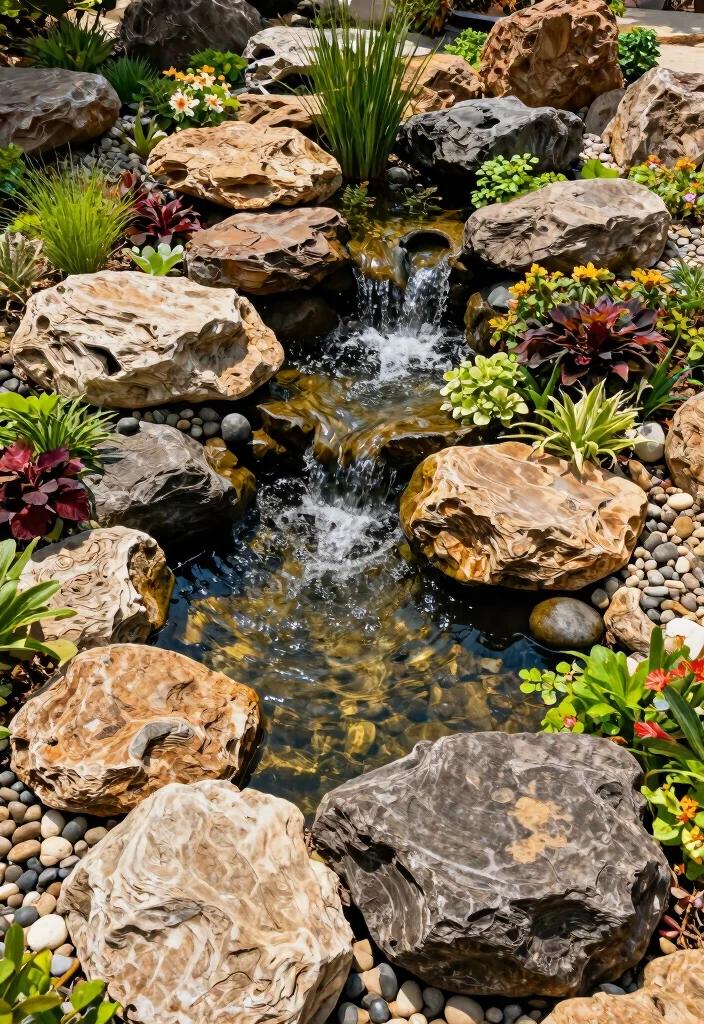
Add beauty and practicality to your pond with a rock garden bog filter. This design incorporates decorative rocks and gravel, creating a natural filtration system that mimics real ecosystems.
Arrange larger rocks around the edge and fill the center with smaller pebbles and aquatic plants. As water flows through the rocks, the plants will help maintain clarity, creating a picturesque addition to your pond.
To enhance performance:
– Choose a variety of rocks to improve aesthetics and water flow.
– Clean the rocks regularly to prevent algae growth.
– Select hardy plants that thrive in rocky conditions for the best results.
This beautiful rock garden not only purifies water but also serves as a stunning feature in your landscape.
7. Vertical Bog Filter with PVC
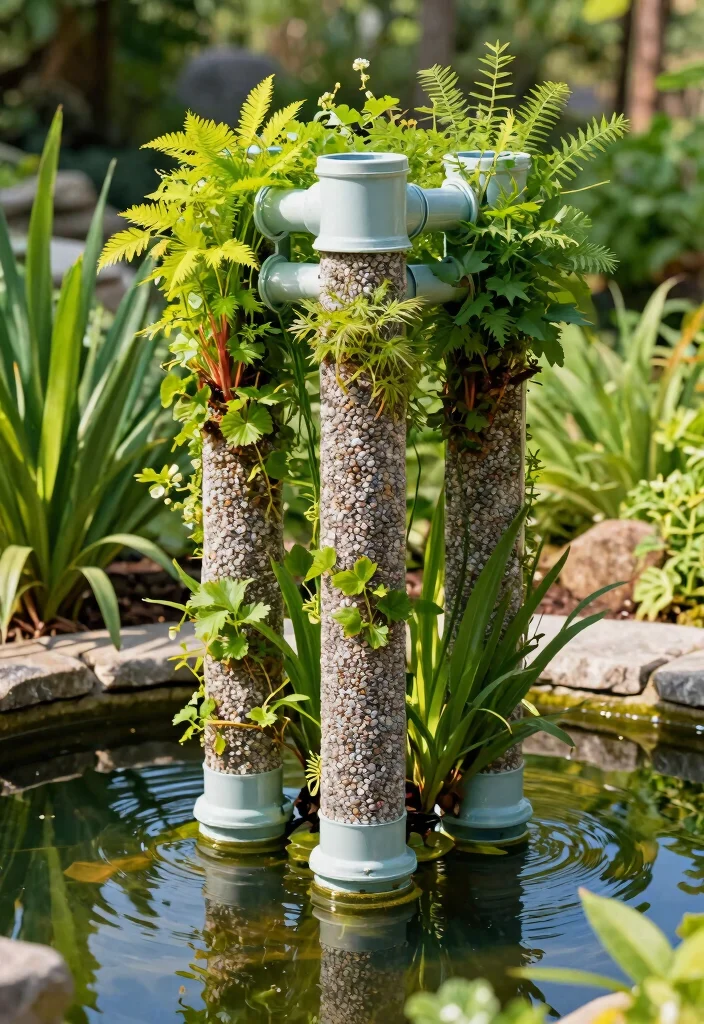
Limited on space? A vertical bog filter made from PVC pipes is a smart, space-saving solution. This innovative setup allows you to create a vertical garden that doubles as a filtration system.
Cut the PVC pipes into sections, fill them with gravel and aquatic plants, and stand them upright around your pond. This not only filters water but also adds an eye-catching garden feature.
To make it work better:
– Ensure each pipe has drainage holes for proper water flow.
– Use a variety of plants with different root depths for effective filtration.
– Consider adding a small water pump to circulate water through the system.
This design combines functionality and beauty, making it ideal for smaller gardens.
❝ Fun fact: A vertical bog filter made from PVC pipes can double as an eye-catching garden feature while slashing space needs by up to 60%. Follow pond pump maintenance tips to keep filtration efficient and your water crystal clear. ❞
8. Aquatic Biofilter Pond Edge
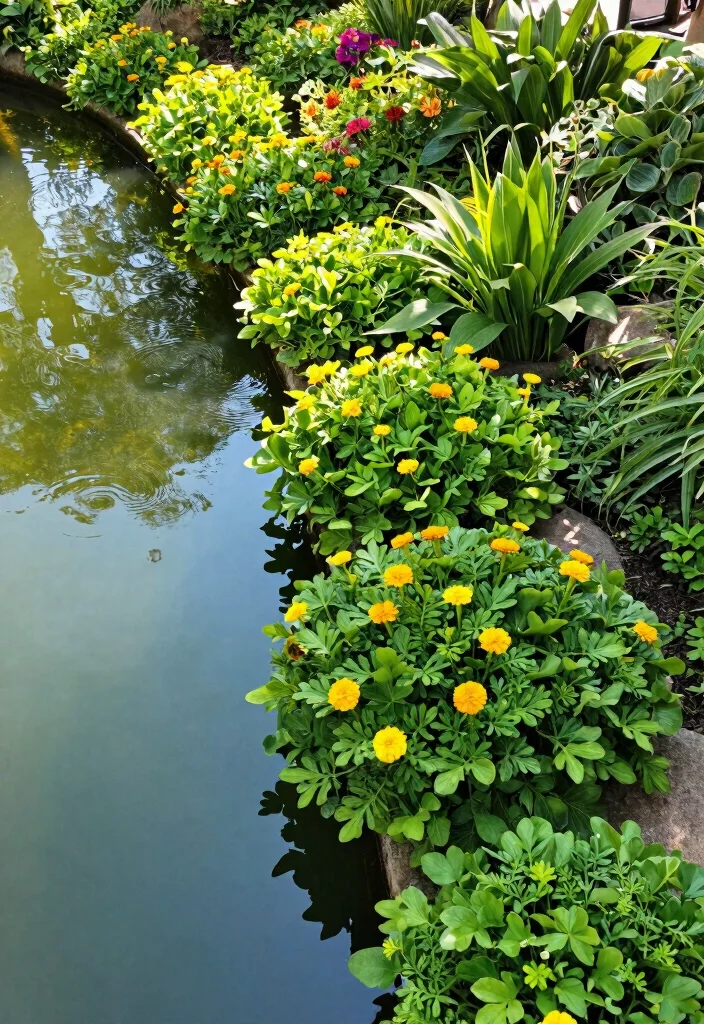
Create a natural barrier while improving water quality with an aquatic biofilter along your pond’s edge. This method uses a mix of plants that thrive near the waterline, acting as a natural filtration system.
Plant species like marsh marigold, arrowhead, or lobelia around the pond’s edge to absorb nutrients and filter pollutants, creating a smooth transition from water to land.
Key tips:
– Choose native plants to support local wildlife.
– Trim plants regularly to encourage healthy growth.
– Monitor water levels to keep edge plants thriving.
This approach enhances aesthetics and contributes to a healthier pond ecosystem.
9. Constructed Wetland Filter
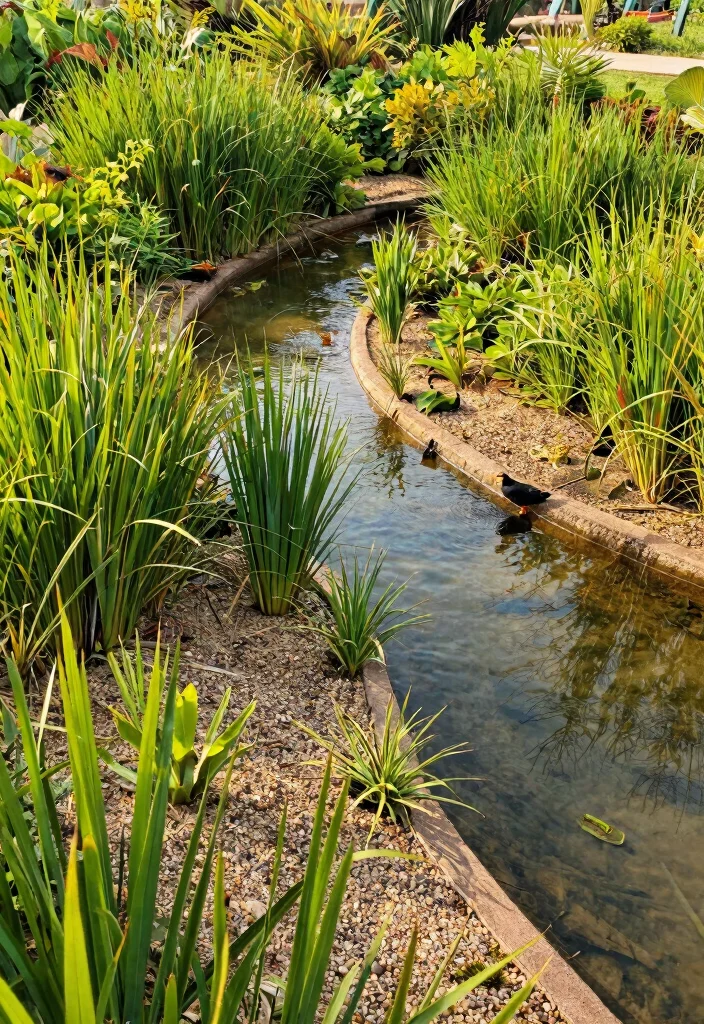
Mimic nature with a constructed wetland filter, effectively treating your pond water. This design creates a shallow area filled with specific wetland plants that filter pollutants and improve water quality.
To set this up, designate a section of your yard for the wetland, filling it with sand, gravel, and wetland plants like bulrushes and sedges. This not only cleans the water but also provides a rich habitat for wildlife.
For optimal maintenance:
– Regularly check plant health and replace any struggling ones.
– Ensure adequate water flow for a healthy wetland ecosystem.
– Remove invasive species to maintain plant diversity.
This method benefits both your pond and local biodiversity, creating a thriving ecosystem.
10. Submerged Plant Filter
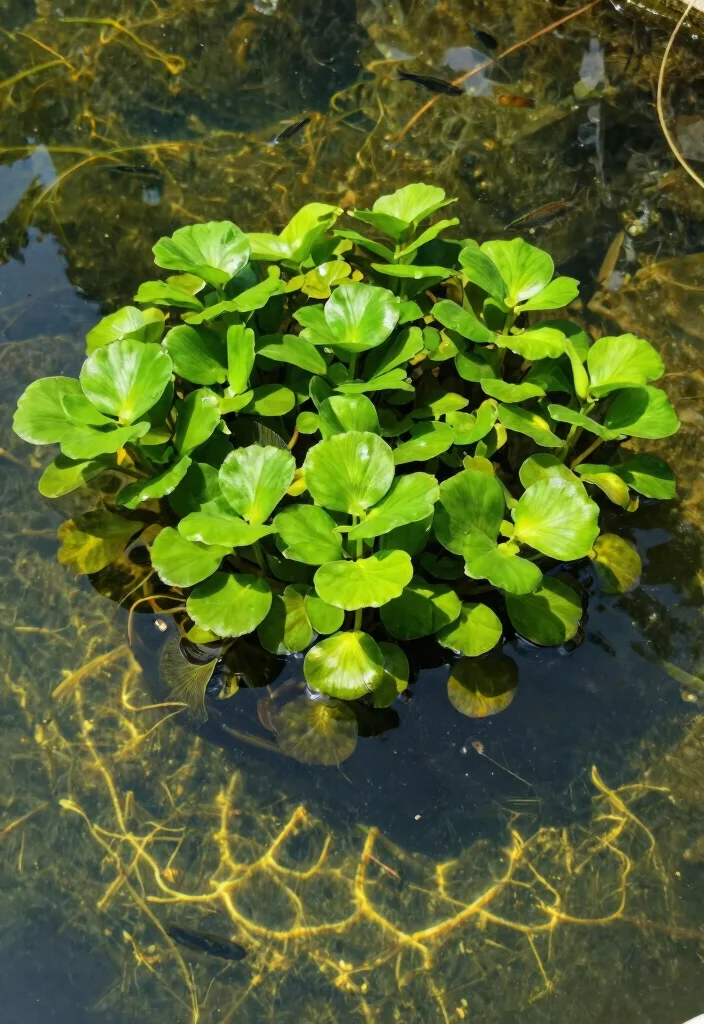
Enhance your pond’s health with a submerged plant filter that uses underwater plants to purify water naturally. By introducing submerged species like anacharis or hornwort, these plants absorb nutrients and help reduce algae growth.
Place these plants at various depths in your pond to create a layered effect that enhances filtering efficiency and adds visual interest.
Maintenance tips:
– Monitor growth and adjust quantities to avoid overcrowding.
– Keep some plants near the surface for light access.
– Regularly check for decaying matter that could harm water quality.
Submerged plants provide a natural solution for maintaining aquatic health while beautifying your pond.
11. Biochar Filter System
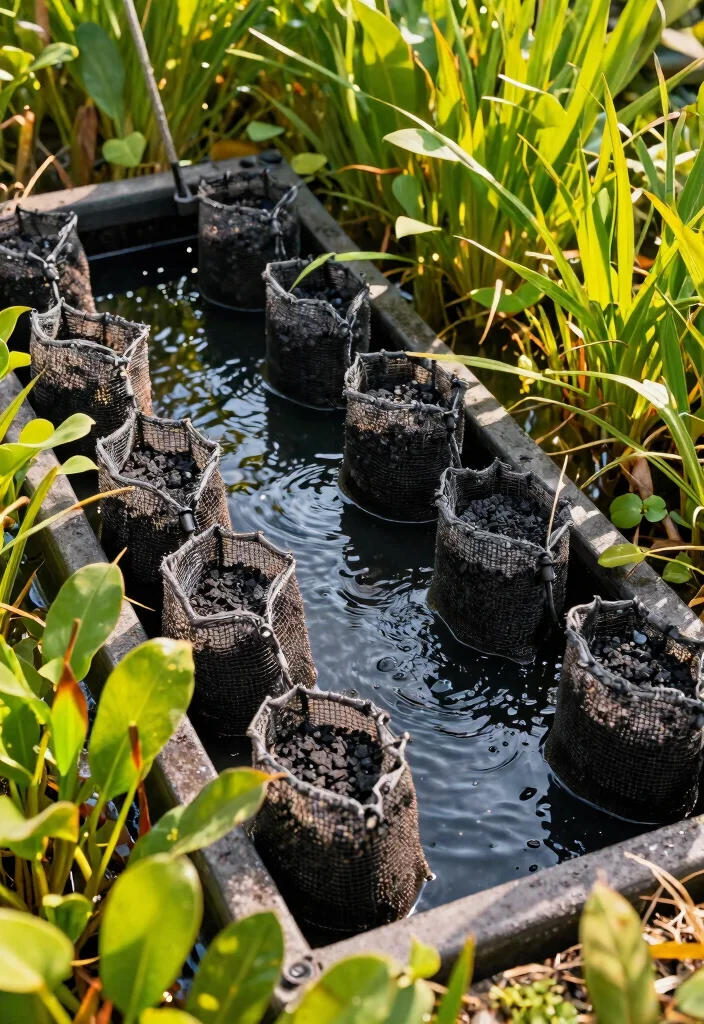
Boost your pond’s natural filtration with a biochar filter system. Biochar, made from heated organic material, improves soil health and water quality.
To use biochar, place it in mesh bags or containers within your bog filter area. As water flows through, it absorbs impurities and creates a habitat for beneficial bacteria.
For effective results:
– Refresh the biochar regularly to maintain its efficiency.
– Combine with other filtration methods for better outcomes.
– Monitor water parameters to gauge the system’s effectiveness.
This innovative method not only purifies water but also promotes sustainable gardening practices.
12. Rain Garden Filter
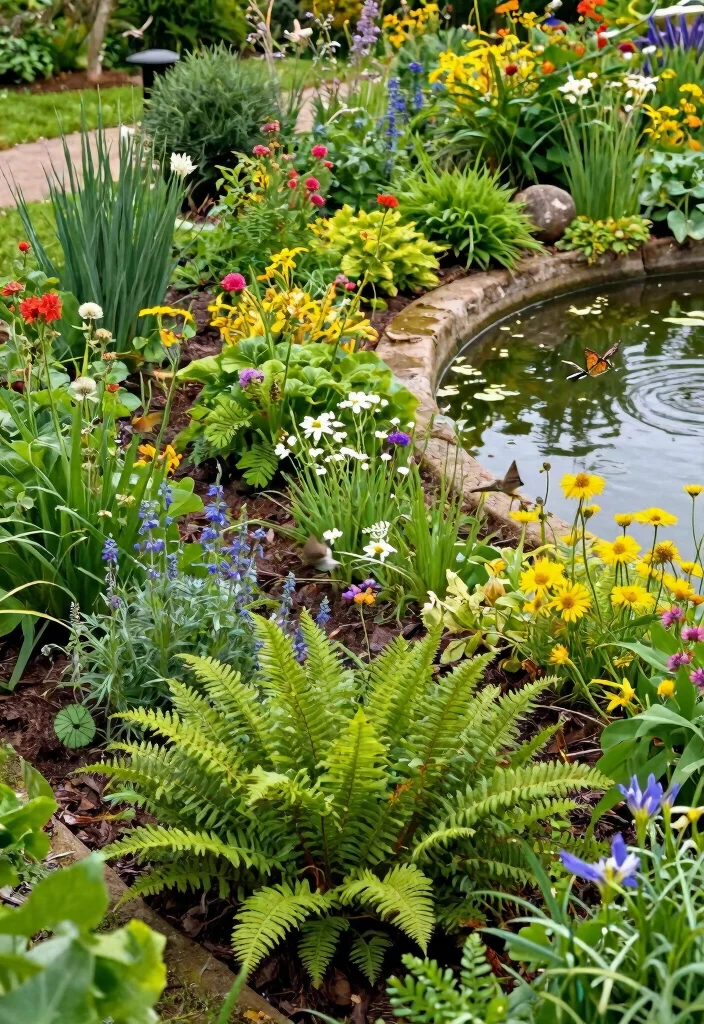
Enhance your pond and support local biodiversity with a rain garden filter. Designed to capture runoff water, a rain garden filters it through layers of soil and plants before it reaches your pond.
To create one, select a low-lying area near your pond and fill it with native plants that thrive in wet conditions. This garden absorbs excess nutrients and pollutants, preventing them from entering the pond.
Key tips:
– Use a variety of native plants for improved filtration.
– Ensure proper drainage to avoid standing water.
– Maintain the garden by removing debris regularly.
This dual-purpose design beautifies your landscape while providing natural filtration for your pond.
13. Hybrid Filter System
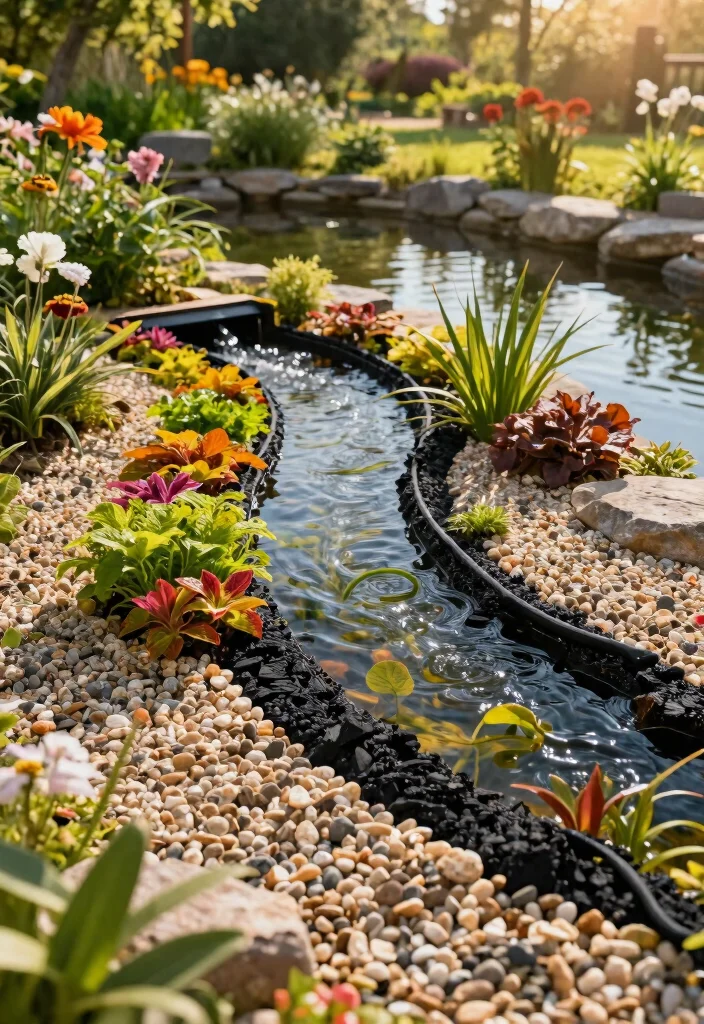
Maximize your pond’s filtration with a hybrid filter system. This approach combines various methods to ensure efficient water purification tailored to your pond’s needs.
Create a hybrid system by incorporating layers of gravel for mechanical filtration, submerged plants for nutrient uptake, and biochar for chemical filtration. This combination offers comprehensive cleaning while enhancing your pond’s beauty.
Success tips:
– Regularly test water parameters to adjust filtration methods.
– Maintain plant health for a balanced ecosystem.
– Adapt the system based on seasonal changes and pond activity.
This innovative approach promotes sustainability while ensuring a vibrant and healthy pond ecosystem.
Conclusion
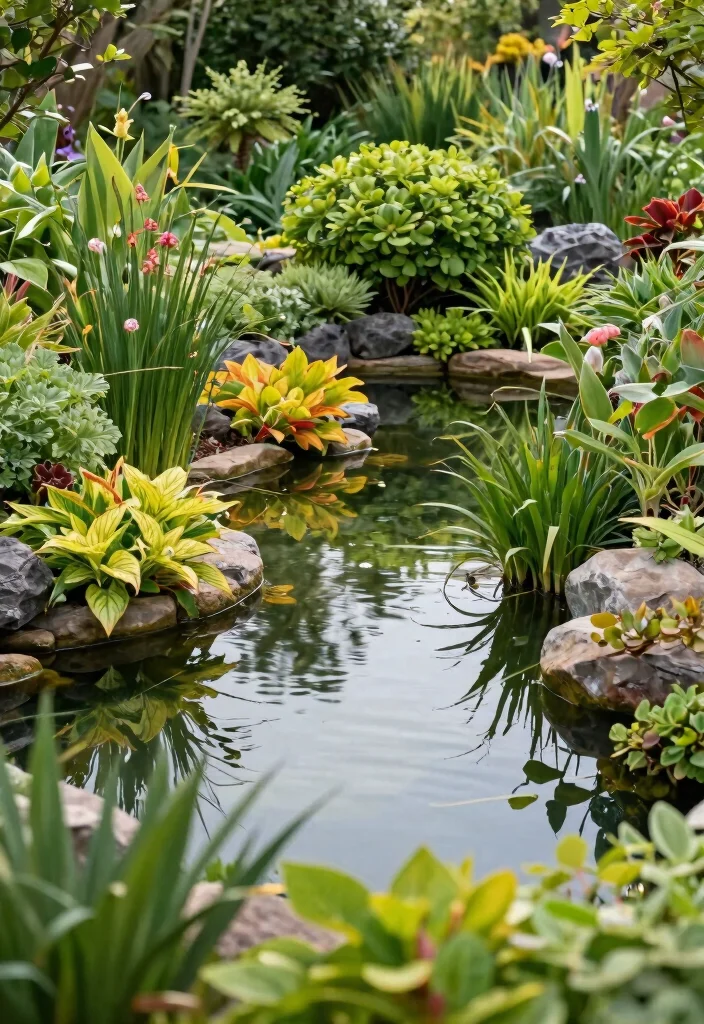
Each of these 13 natural pond bog filter ideas not only contributes to clearer water but also enhances the beauty of your garden.
By incorporating these eco-friendly designs, you support local biodiversity and create a serene outdoor space to enjoy.
So, why not transform your pond into a thriving ecosystem while embracing sustainable gardening practices? Explore which ideas resonate with you and start your journey towards a healthier pond today!
Note: We aim to provide accurate product links, but some may occasionally expire or become unavailable. If this happens, please search directly on Amazon for the product or a suitable alternative.
This post contains Amazon affiliate links, meaning we may earn a small commission if you purchase through our links, at no extra cost to you.
Frequently Asked Questions
What exactly is a bog filter and how does it support eco-friendly pond filtration?
A bog filter uses a shallow, plant-filled zone to filter water. The roots and media trap solids, absorb nutrients, and host beneficial bacteria that help break down ammonia and nitrites, boosting water quality. When paired with your main filtration, a bog filter can cut nitrates and phosphates, supporting eco-friendly gardening and sustainable water gardening. A typical bog is a shallow bed (about 6-12 inches deep), lined or buffered, connected to the pond so water flows through the roots. To keep it thriving, plant a mix of hardy aquatic species like cattails, water iris, and marsh marigold, and remove surface debris regularly. For ongoing care, follow pond pump maintenance tips such as keeping the pump running at an appropriate flow, cleaning prefilters, and checking hoses for wear.
Which bog filter designs are best for small vs large ponds?
There are several bog filter designs you can tailor to your space. For small ponds, a compact constructed bog bed or a planter-basket setup linked to a spillway works well. For larger ponds, you can use a linked gravel-bed bog or even a freestanding bog island with a shallow water zone. Important factors are sun exposure, plant availability, and how you route water (gravity-fed vs pumped). A practical rule of thumb is to aim for bog area about 10-20% of the pond surface and ensure a gentle slope so water percolates through media. Build with a liner or impermeable bed, add a gravel top and planting media, then connect back to the pond. Regular maintenance—weekly checks, seasonal plant swaps, and cleaning debris—helps. Embrace natural pond maintenance and eco-friendly gardening principles.
What aquatic plants care tips help bog filters thrive?
Choose a mix of emergent and floating plants that tolerate your climate, such as Typha (cattails), Iris species like water iris, marsh marigold, arrowhead, pickerel weed, and, where appropriate, floating plants like water lettuce. Plant in anchored baskets with a few inches of gravel, and avoid burying rhizomes too deep. Remove spent leaves and blooms to minimize decay in the water column, and prune regularly to keep roots from crowding the filter media. Fertilize sparingly with slow-release aquatic plant tabs if needed, and monitor for pests. Keep the bog in good light (about 6-8 hours) for vigorous growth. This approach supports healthy aquatic plants care and sustainable water gardening.
How can I maintain a pond pump and keep filtration eco-friendly with a bog filter?
Start with an energy-efficient pump sized for your pond and bog flow, and position it so water passes through the bog before returning to the pond. Keep the intake screen clean and clear to prevent clogs. Follow pond pump maintenance tips: clean prefilters monthly, check for leaks, verify flow rate, and inspect hoses. Consider a timer to run the pump during daylight hours or peak filtration times to save energy. Pair the system with natural bacteria products and avoid harsh chemicals for natural pond maintenance. Finally, ensure the bog has enough flow to nourish plants and that fish aren’t sucked into the pump.
Are bog filters suitable for fish ponds or swimming ponds and how to balance wildlife?
Yes—bog filters are well-suited for ponds with fish, offering extra filtration and shading that benefits wildlife. Start with a modest bog area and gradually expand as your fish population grows, ensuring adequate water flow and oxygenation. Choose hardy, non-invasive plants that thrive in your climate to support sustainable water gardening and eco-friendly gardening. For swimming ponds, maintain water quality with regular testing, partial water changes, and careful use of safe, non-toxic products. With thoughtful plant selection, routine care, and wildlife monitoring, a bog filter can balance fish, beneficial insects, and other pond inhabitants.

![13 Custom DIY Outdoor Griddle Ideas [Built In Layouts]](https://roomeena.com/wp-content/uploads/2026/04/13-Custom-DIY-Outdoor-Griddle-Ideas-Built-In-Layouts-150x150.webp)