Pellet smoking has become a beloved method for achieving that perfect bark on your meats. The mouthwatering aroma wafting through your backyard during a cookout has a way of igniting nostalgia, often reminding us of family gatherings and summer nights spent around the grill. If you crave that smokey flavor and crispy crust on your brisket or ribs, you’re in the right place.
This post is tailored for anyone who loves outdoor cooking, whether you’re a seasoned grill master or just starting your barbecue journey. You may be seeking ways to elevate your smoking game and impress your friends at the next backyard barbecue. With these tips, you’ll explore effective techniques to achieve the best bark possible while enjoying the camaraderie of outdoor cooking.
Get ready to dive into 13 essential pellet smoker cooking tips that are practical, insightful, and perfect for creating that delightful crust. From choosing the right wood pellets to mastering meat temperatures, this guide will help you elevate your grilling skills and create unforgettable meals that will keep your guests coming back for more.
Key Takeaways
– Choose the Right Wood Pellets: Selecting the right wood pellets is crucial for flavor. Different woods impart unique tastes, so experiment to find what you love best.
– Preheat Your Smoker: Always preheat your smoker to ensure even cooking. This step helps lock in flavors and achieve the desired bark texture on your meat.
– Monitor Internal Meat Temperature: Keeping an eye on your meat’s internal temperature will prevent overcooking. Use a reliable meat thermometer for accuracy.
– Let Your Meat Rest: After cooking, let your meat rest to retain its juices. This simple step enhances flavor and moisture, elevating your dishes.
– Create the Perfect Outdoor Ambiance: Don’t forget the setting! Enhance your outdoor cooking experience with inviting decor and comfortable seating, making it memorable for everyone.
1. Choose the Right Wood Pellets
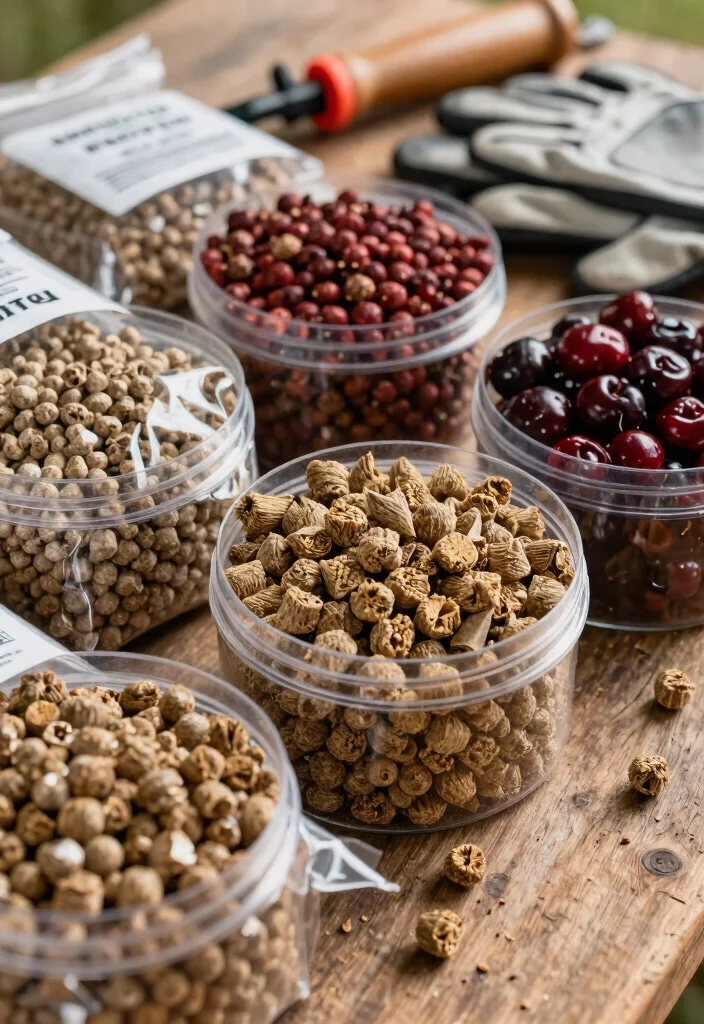
Craving that perfect smoky flavor? The wood pellets you choose are crucial for achieving a delicious bark on your meat. Different woods add distinct flavors; hickory and mesquite give a bold kick, while fruitwoods like apple or cherry offer a sweet touch. Match the wood with your meat for the best results.
Make sure to select 100% hardwood pellets with no fillers. This ensures a clean burn and enhances the flavor of your dish. Don’t hesitate to mix different types to find your ideal taste profile.
Tip: Store your pellets in a cool, dry area to keep them fresh.
Bonus Insight: Soaking pellets isn’t necessary and may reduce their flavor impact.
Choosing the right wood is key to a flavorful bark that makes your dish truly stand out.
How To Choose the Right Wood Pellets for Your Pellet Smoker
Choosing the right wood pellets can make a huge difference in your cooking experience and the flavor of your food. Here are some key factors to consider when selecting wood pellets for your pellet smoker:
1. Wood Type
Different types of wood offer unique flavors. For example, hickory provides a strong, smoky flavor, while apple wood gives a sweet, fruity note. Consider what flavor profiles complement your favorite meats. You can even mix different types for a unique taste.
2. Pellets Quality
Not all pellets are created equal. Look for high-quality pellets made from 100% hardwood. Avoid blended or filler pellets as they can affect flavor and produce more ash. Quality pellets burn hotter and produce less smoke, which is crucial for achieving that perfect bark on your meat.
3. Moisture Content
Pellets with lower moisture content burn better and produce more smoke. Aim for pellets that have a moisture content of around 5-8%. If the pellets feel damp or crumbly, they may not perform well in your smoker. A good test is to squeeze a handful; if they hold together, they’re likely too wet.
4. Size and Density
Most wood pellets come in a standard size, but density can vary. Denser pellets generally burn longer and more consistently. Check the packaging for information on density and choose a brand that’s known for its consistency, as this will help you maintain steady temperatures during cooking.
5. Packaging and Storage
How the pellets are packaged can also matter. Look for sealed bags to keep moisture out and maintain freshness. Once opened, store pellets in a cool, dry place to prevent them from absorbing moisture. Some smokers even come with storage compartments for easy access.
6. Brand Reputation
Research brands and read reviews before buying. Brands with a good reputation often have better quality control. Ask fellow grilling enthusiasts for their recommendations. A reliable brand will ensure you’re getting a consistent performance from your pellets.
Pro Tip: Always have a few different types of wood pellets on hand. Mixing flavors can enhance your meats and add a depth that will impress your guests. Experiment with different wood types to find your perfect match!
2. Preheat Your Smoker
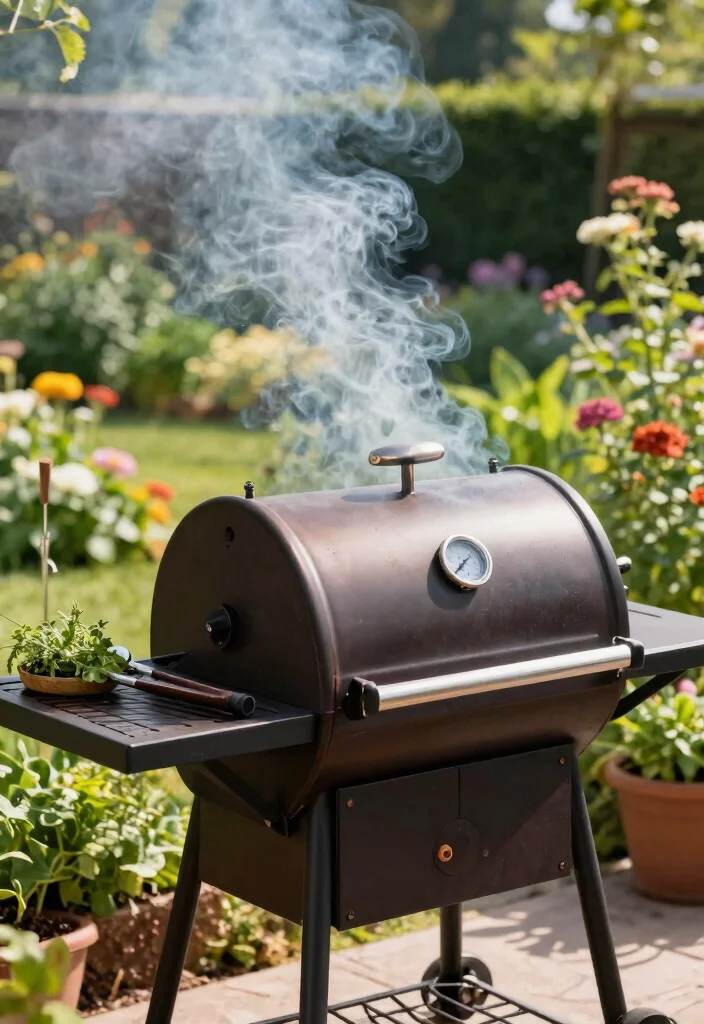
Eager to achieve that perfect bark? Preheating your pellet smoker is an essential step. It ensures your meat cooks evenly, creating a beautiful sear that locks in flavors. Set your smoker to the desired temperature and let it warm up for about 10-15 minutes before adding your meat.
This process ignites the wood pellets, providing a consistent smoke flavor throughout cooking. Skipping this step can lead to uneven cooking and less-than-ideal bark.
Tip: Use a digital thermometer for precise temperature monitoring.
Bonus Insight: Preheating creates the right environment for smoke absorption, improving your smoke ring.
Never underestimate preheating; it’s a vital step for achieving that sought-after bark.
3. Season Your Meat Generously
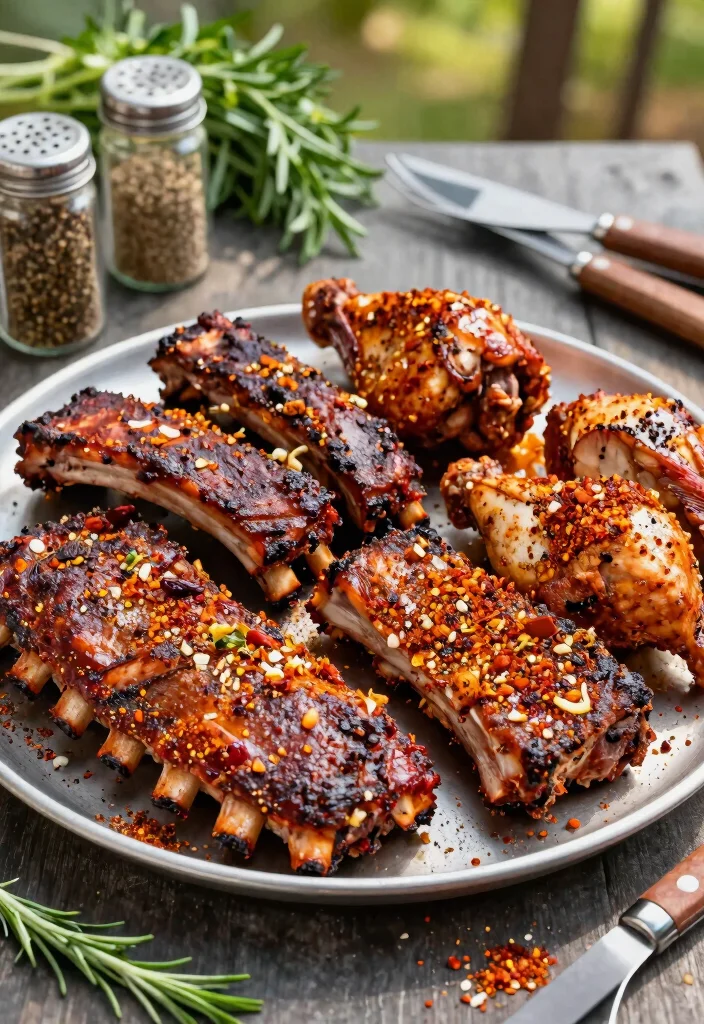
Want to elevate your meat’s flavor? Generous seasoning is the secret to developing a mouthwatering bark. Use a dry rub or marinade to infuse flavor and moisture into the meat. A simple mix of salt, pepper, garlic powder, and paprika works wonders, but don’t shy away from experimenting with herbs and spices.
Apply seasoning liberally and let the meat rest for a bit before cooking. This allows flavors to penetrate, enhancing the overall taste. A good rub is essential for forming that crust, leading to an impressive bark.
Tip: Let the rub sit for several hours or overnight for deeper flavor.
Bonus Insight: Including sugar in your rub can help develop a better bark, so consider a touch of sweetness.
Generous seasoning is not just about flavor; it creates that irresistible outer layer that keeps everyone coming back for more.
4. Maintain Steady Temperature
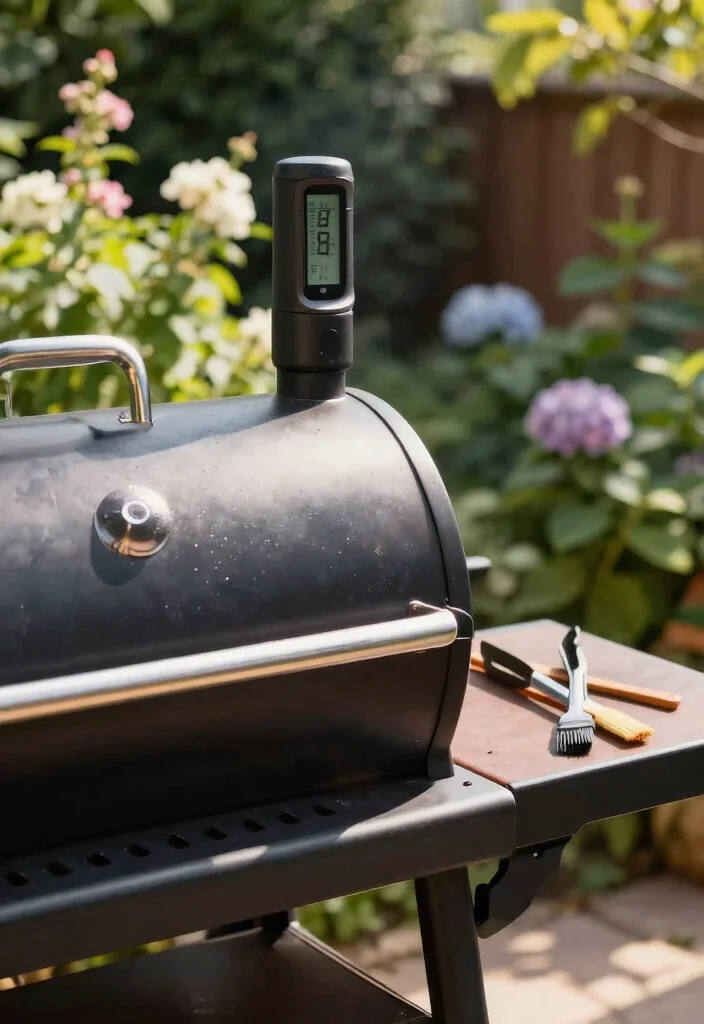
Looking for an even cook? Maintaining a steady temperature is crucial when smoking meat. Temperature fluctuations can lead to uneven cooking and affect the bark’s development. Aim for a stable temperature—225°F to 250°F is generally perfect for most cuts.
Keep an eye on your smoker’s temperature gauge. If it fluctuates, adjusting airflow or adding pellets can stabilize it. A quality digital thermometer helps monitor the meat’s internal temperature without opening the smoker.
Tip: Avoid frequent openings; each time you do, heat escapes, prolonging cooking time.
Bonus Insight: If your smoker struggles to maintain temperature, consider investing in insulation blankets.
Consistency is vital; a stable temperature leads to an even cook and a beautifully developed bark.
Fun fact: a steady 225–250°F is the sweet spot for even smoking and the best bark. Keep a digital thermometer handy and tweak airflow or pellets to curb fluctuations—and embrace umbrella stand decor ideas that make your outdoor setup feel calm and inviting.
5. Wrap Your Meat for the Finish
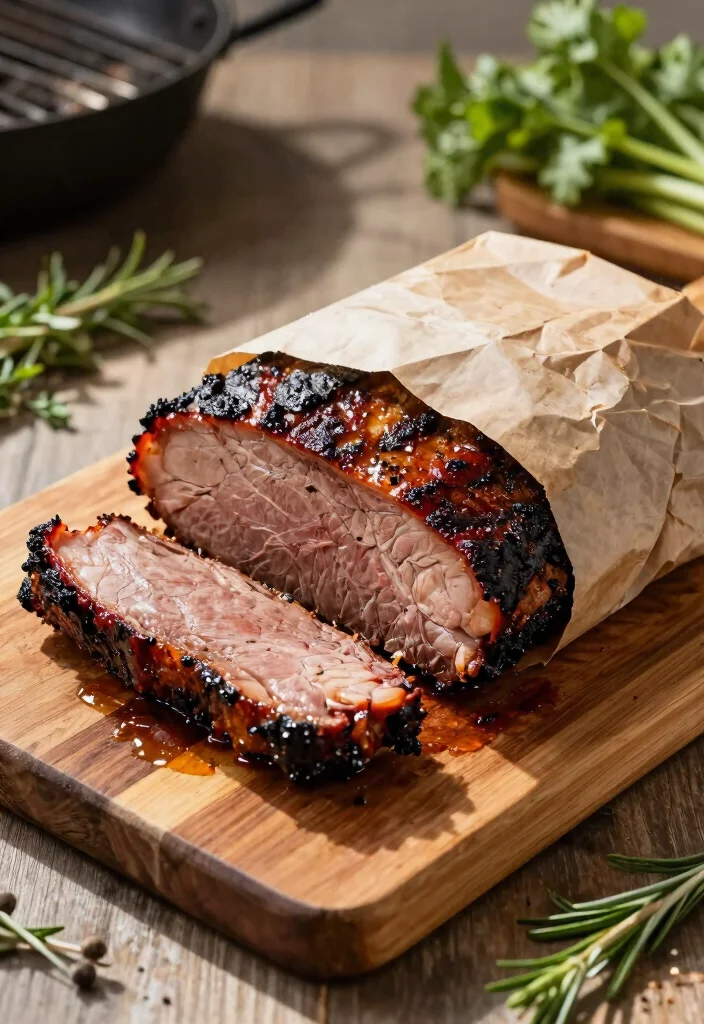
Want to keep your meat juicy while enhancing bark? Wrapping your meat during cooking can be a game-changer. After a few hours of smoking, consider wrapping it in butcher paper or aluminum foil. This technique, known as the ‘Texas Crutch,’ helps retain moisture while allowing the meat to continue cooking.
Wrapping creates a steamy environment, promoting tenderness while still allowing a crust to form. Just remember to unwrap it for the final cooking stage to let that bark develop beautifully.
Tip: For a stronger smoke flavor, unwrap your meat during the last hour of cooking.
Bonus Insight: The timing for wrapping may vary based on your cooking method, so gauge it according to your smoker’s output.
Wrapping meat can balance moisture retention with bark development, making it a technique worth trying.
Fun fact: Wrapping during the Texas Crutch can boost moisture retention by up to 25% while still forming a crisp bark. Do it after 2–3 hours, then unwrap for the final stage to let the crust shine—and cue your umbrella stand decor ideas for a shaded, chef-ready setup.
6. Use a Water Pan
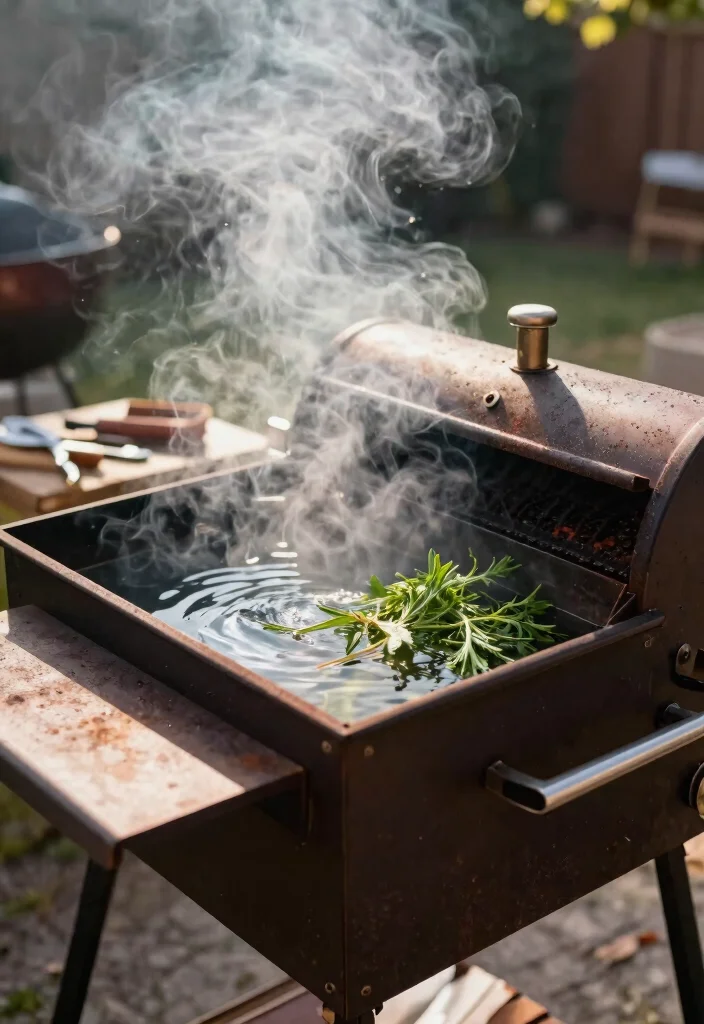
Hoping to achieve juicy meat with great bark? Incorporating a water pan in your smoker can do just that! It helps regulate temperature and adds humidity, preventing the meat from drying out, especially during longer cooks.
Place a shallow pan filled with water above the heat source in your smoker. It absorbs heat and releases moisture, aiding in cooking.
Tip: Remember to refill the water pan as needed, particularly during lengthy cooking sessions.
Bonus Insight: Adding herbs or spices to the water can subtly flavor your meat.
A water pan is a simple yet effective tool for keeping meat moist while allowing that gorgeous bark to form.
7. Monitor Internal Meat Temperature
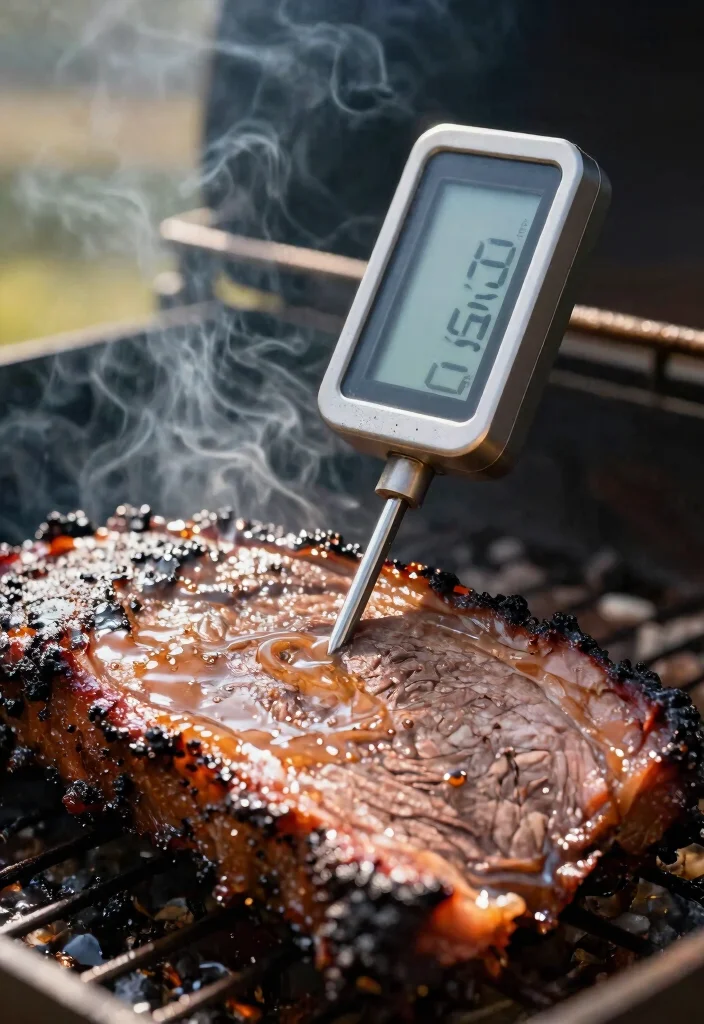
Want perfectly cooked meat every time? Using a reliable thermometer to check the internal temperature is key. Different cuts require specific temperatures for ideal texture and flavor, so knowing when to pull them from the smoker is essential.
Aim for about 195°F to 205°F for brisket or pork shoulder to achieve that melt-in-your-mouth tenderness. Using a digital probe thermometer allows you to monitor temperature without opening the smoker, preserving heat and smoke.
Tip: Insert the thermometer into the thickest part of the meat for accurate readings.
Bonus Insight: Allow the meat to rest for about 30 minutes post-cooking to enhance flavor and juiciness.
Regular monitoring ensures your meat is cooked just right, resulting in a tender, flavorful dish.
8. Use a Quality Meat Injector
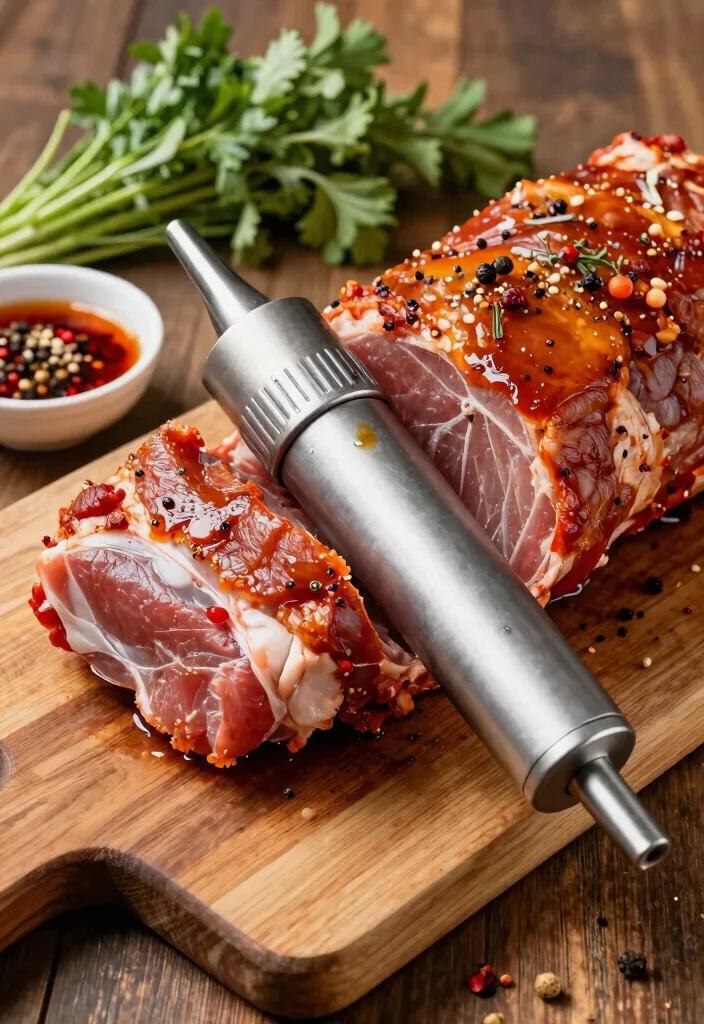
Looking to boost flavor and moisture? A meat injector might be your best friend. This handy tool allows you to inject marinades or brines directly into the meat, enhancing both flavor and tenderness. Choose injections that complement your meat, focusing on balance and depth.
Before smoking, insert the injector into various spots of the meat to distribute the marinade evenly.
Tip: Opt for injections low in sodium to avoid overpowering the meat’s natural flavors.
Bonus Insight: Inject the meat a few hours before cooking to allow the flavors to permeate.
A meat injector is a simple tool that can significantly elevate your dish’s flavor profile.
9. Utilize Grill Accessories Wisely
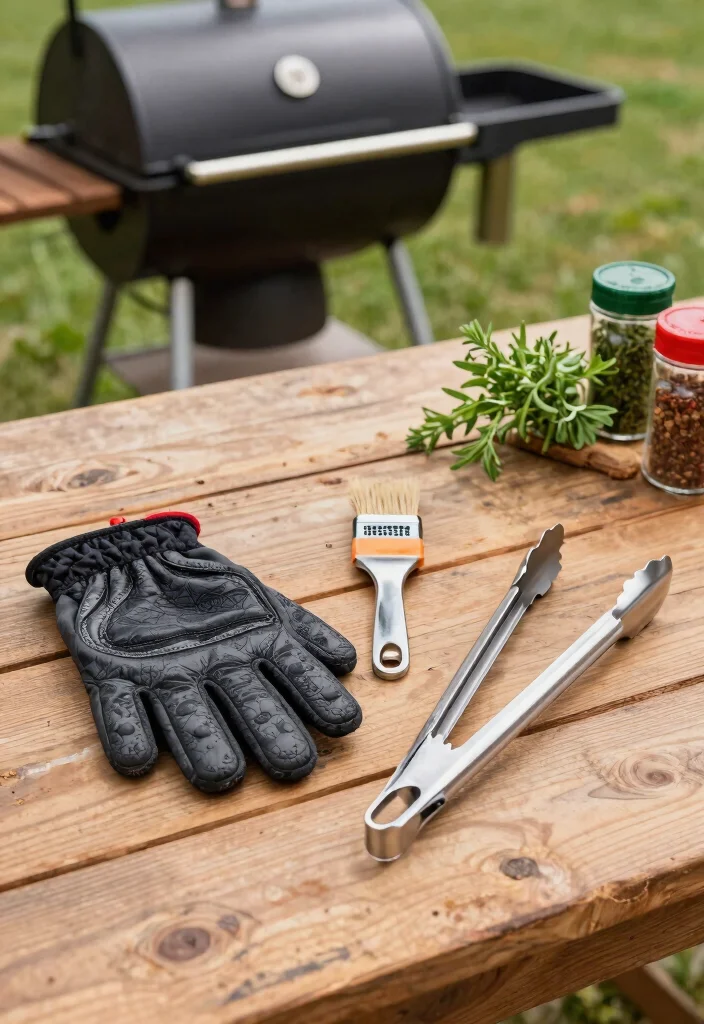
Want to enhance your smoking experience? Investing in quality grilling accessories can make a big difference. Tools like heat-resistant gloves, basting brushes, and smoker boxes can improve both convenience and results.
For example, a good basting brush ensures even sauce application without damaging the bark. Heat-resistant gloves protect your hands while handling hot meat or adjusting grill grates.
Tip: Look for durable tools made from stainless steel or silicone.
Bonus Insight: A solid pair of tongs is invaluable for turning or moving meat without losing that precious bark.
The right accessories elevate your outdoor cooking experience, making it easier and more enjoyable.
10. Experiment with Grill Techniques
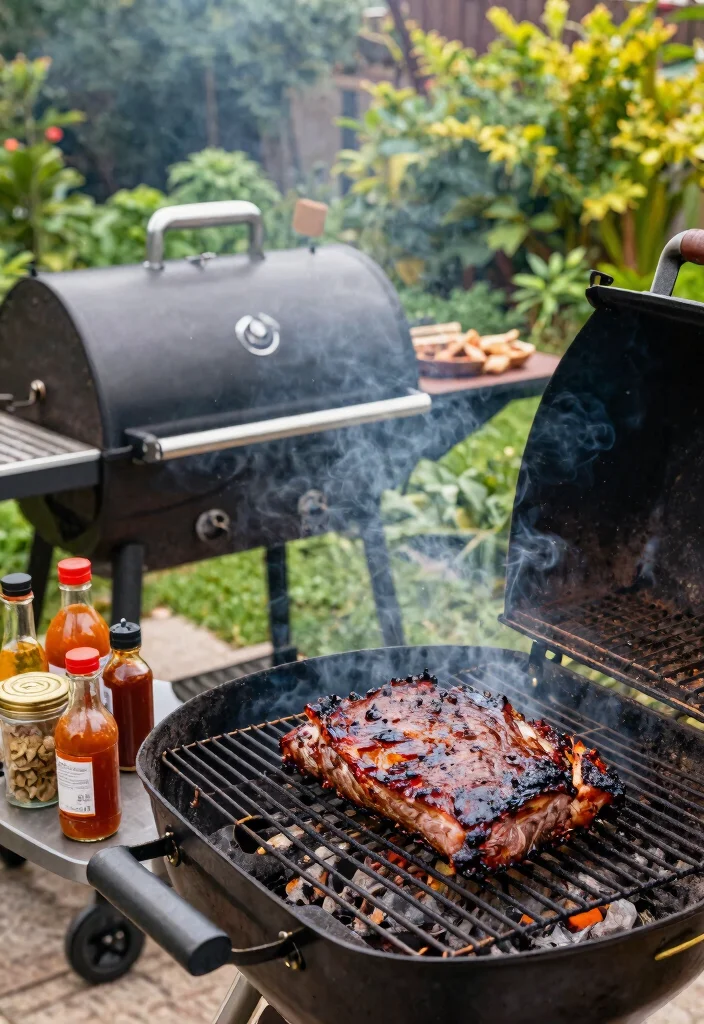
Excited to try new things? Don’t hesitate to experiment with different techniques on your pellet smoker. Methods like reverse searing or starting at a lower temperature before finishing at a higher heat can enhance flavor and bark.
This approach allows meat to cook slowly while absorbing smoke, then getting a nice sear at the end. Combining smoking with grilling can also create unique flavors; smoke the meat, then sear it over direct heat for a crisp bark.
Tip: Keep notes on what works best for different cuts to refine your technique.
Bonus Insight: Trying new techniques keeps cooking fun and helps you discover your signature style!
Experimentation is part of the joy of outdoor cooking; don’t shy away from innovation.
Ever tried a 2-step technique on your pellet smoker? Start low, then finish hot to coax a deep bark and juicy bite. Experimenting with grill techniques gives you flavor you can actually taste.
11. Let Your Meat Rest
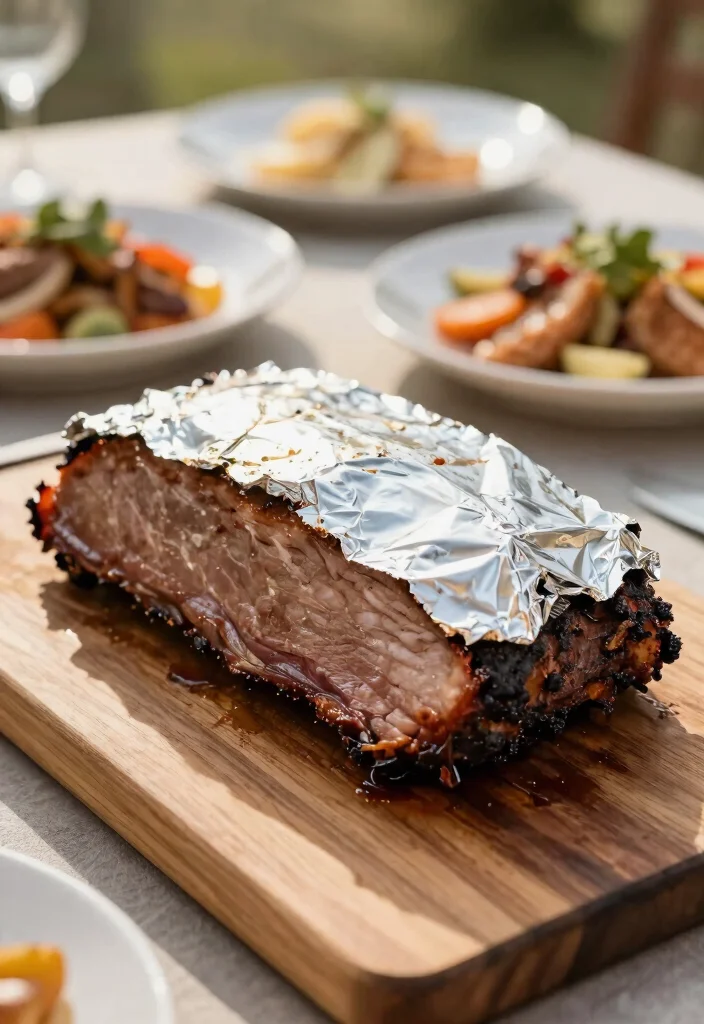
Want juicy, flavorful meat? Letting it rest after smoking is vital. Resting redistributes juices throughout the meat, ensuring a succulent bite. Aim for at least 30 minutes of resting time, lightly covering the meat with foil to keep it warm.
During this time, the internal temperature may rise slightly, so consider pulling it from the smoker just before it reaches the target temperature.
Tip: Resist cutting into the meat too soon; patience yields a tastier dish.
Bonus Insight: Use this time to prepare sides or set up your outdoor dining area for a seamless meal.
Resting your meat is a simple yet often overlooked step that dramatically enhances flavor and texture.
12. Maintain Your Smoker
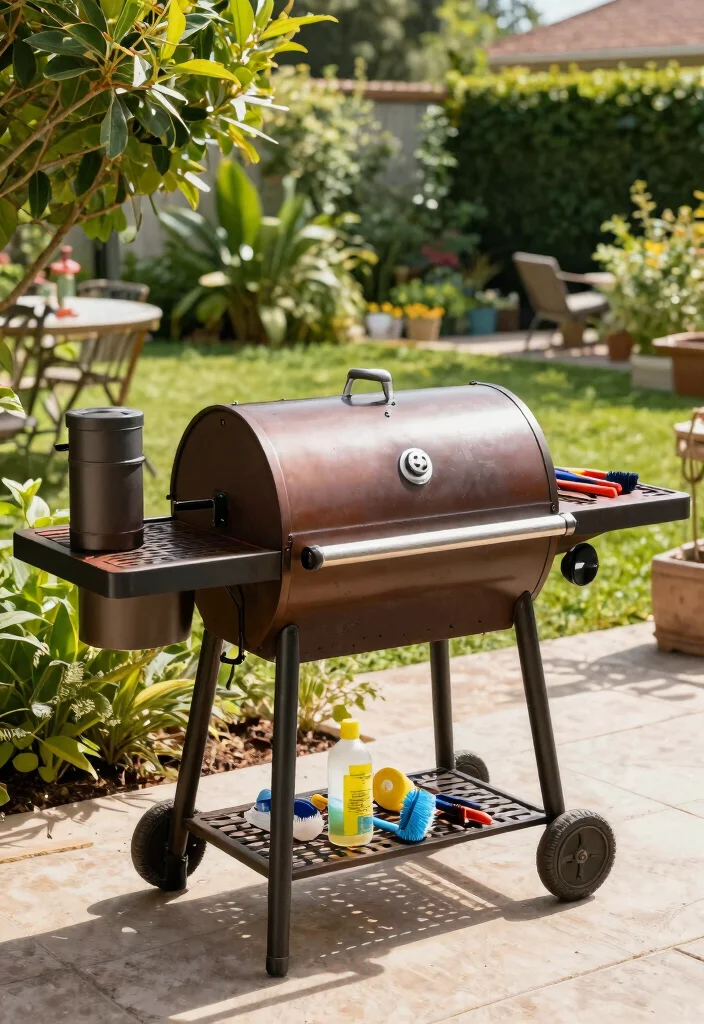
Want your pellet smoker to perform at its best? Proper maintenance is key. Regularly clean the grease tray and ashpot, and check the auger for blockages. A well-maintained smoker cooks better and produces cleaner smoke, boosting flavor.
Periodically inspect seals and gaskets to ensure they’re tight. This helps maintain consistent temperatures and prevents smoke leaks.
Tip: Create a cleaning schedule to stay on top of maintenance tasks; regular upkeep improves your grilling experience.
Bonus Insight: A clean smoker is essential for food safety; remove debris after each cooking session.
Regular maintenance pays off in enhanced performance and flavor, making your cooking sessions more enjoyable.
13. Create the Perfect Outdoor Ambiance

Want to elevate your cooking experience? The atmosphere of your outdoor space plays a significant role. Consider adding decorative elements like string lights, comfortable seating, and seasonal flowers to create an inviting setting. An umbrella stand with colorful decor can also serve as a focal point, enhancing both shade and style.
Add personal touches that reflect your personality—cozy blankets, decorative pillows, or handcrafted garden decor can make a difference.
Tip: Choose weather-resistant decor to ensure it lasts through the seasons.
Bonus Insight: Well-placed plants or herb pots can serve as both decor and functional ingredients for your cooking.
A thoughtfully decorated space enhances your cooking experience and makes entertaining friends and family even more enjoyable.
Conclusion

Mastering the art of creating the perfect bark on your smoked dishes is a rewarding journey. With these 13 essential tips, you can elevate your outdoor cooking skills while transforming your backyard into the ultimate entertaining space. From the right wood pellets to creating a beautiful ambiance, each element plays a significant role in making your gatherings unforgettable.
So fire up that pellet smoker, get creative with your flavors, and enjoy the process of cooking and connecting with loved ones in your beautifully crafted outdoor space.
Note: We aim to provide accurate product links, but some may occasionally expire or become unavailable. If this happens, please search directly on Amazon for the product or a suitable alternative.
This post contains Amazon affiliate links, meaning we may earn a small commission if you purchase through our links, at no extra cost to you.
Frequently Asked Questions
What are the essential pellet smoker techniques for achieving the perfect bark?
To get the perfect bark, start with a clean grill and high-quality wood pellets. Set your pellet smoker techniques to a steady 225–250°F and keep the lid closed as much as possible to maintain a consistent smoke.
Use a dry rub with a touch of sugar to promote crust formation, and place a water pan to keep the surface moist without washing away the bark.
Avoid wrapping too early, which can soften the crust. Spritz lightly every 45–60 minutes with a simple mix (apple juice or cider, diluted) to build bark without sogginess.
Let the meat rest after pulling to finish crust development and juiciness.
How can I dial in temperature and airflow on a pellet smoker for consistent results?
Dialing in temperature and airflow on a pellet smoker for consistent results comes down to preparation and patience. Keep the hopper filled with the same wood pellets to ensure a steady smoke, preheat to your target range, and aim for a stable 225–250°F.
Minimize lid openings to avoid temperature swings, and use a reliable digital meat probe to monitor internal temps. If your setup allows, use a two-zone cooking plan to finish thicker cuts without over-smoking the exterior.
Rely on pellet smoker techniques and outdoor cooking tips to stay consistent.
What backyard barbecue ideas can help me host a great outdoor session with a pellet smoker?
Turn your yard into an inviting smoking zone: set up a dedicated smoking station with a prep table, a serving area, and a safe distance from the grill for guests.
Create shade with a sturdy outdoor umbrella and seating nearby for socializing, and use a simple, clearly labeled menu so guests know what’s coming off the pellet smoker. Keep essential grilling accessories within reach, preheat early, and have a dedicated area for rubs, spritz bottles, and sauce so your outdoor cooking tips stay organized.
Which grilling accessories are essential for better bark and easier pellet smoking?
Must-have grilling accessories for better bark and easier pellet smoking include a digital meat thermometer (preferably with a remote monitor), a spray bottle for gentle spritzing, and a reliable set of grilling rubs with a touch of sugar for bark.
Add a heat-safe glove, a stainless steel brush for grate maintenance, a cast-iron skillet or water pan for moisture, and a probe thermometer to monitor internal temps without opening the lid. Don’t forget a sturdy grill tongs, a cleaning brush, and a dedicated pellet scoop to keep your workflow smooth.
How can garden decor and umbrella stand decor ideas enhance your outdoor cooking space for pellet smoking?
Integrate your pellet smoker into the garden by embracing umbrella stand decor ideas and complementary garden decor. Position a durable umbrella to shade the smoking and prep area, away from heat, and dress the stand with potted herbs or hanging lanterns to tie into the space.
Surround the station with garden decor such as planters, gravel paths, and weatherproof seating to create a welcoming outdoor cooking area that supports outdoor cooking tips and garden decor ideas. This not only protects guests from sun but also makes the whole experience feel like an outdoor living room.

![13 Custom DIY Outdoor Griddle Ideas [Built In Layouts]](https://roomeena.com/wp-content/uploads/2026/04/13-Custom-DIY-Outdoor-Griddle-Ideas-Built-In-Layouts-150x150.webp)